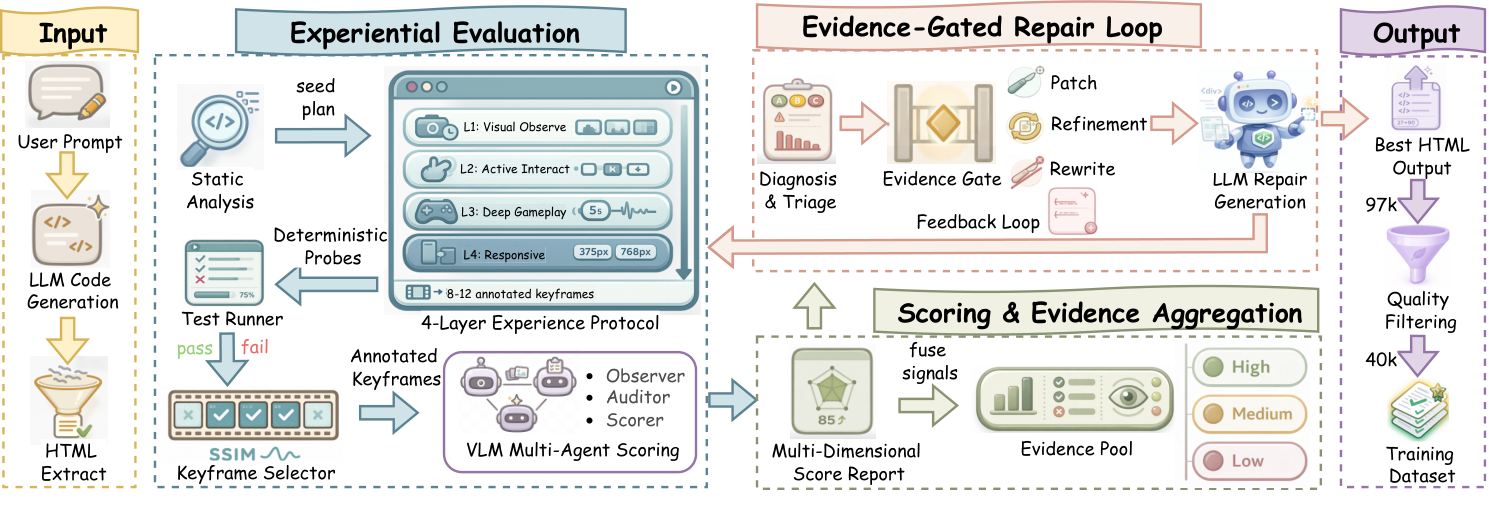
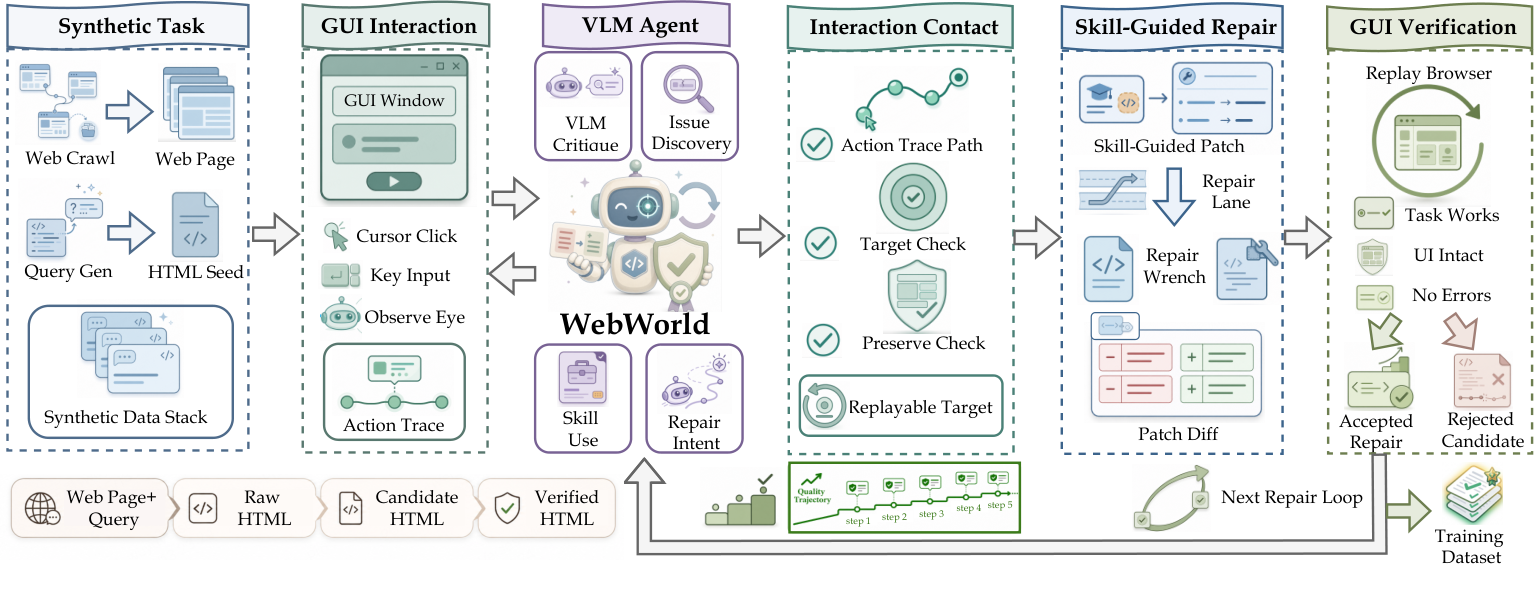
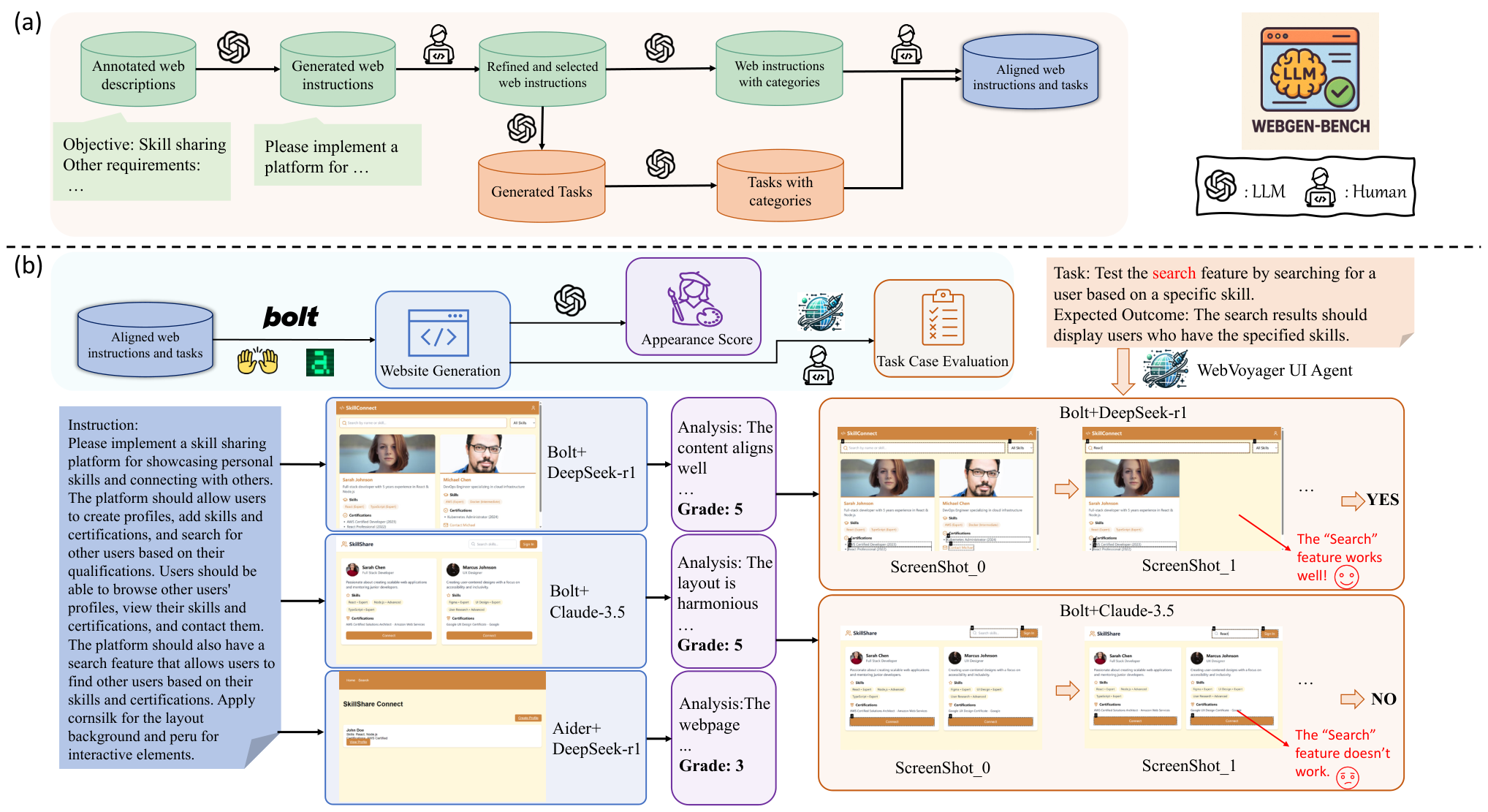
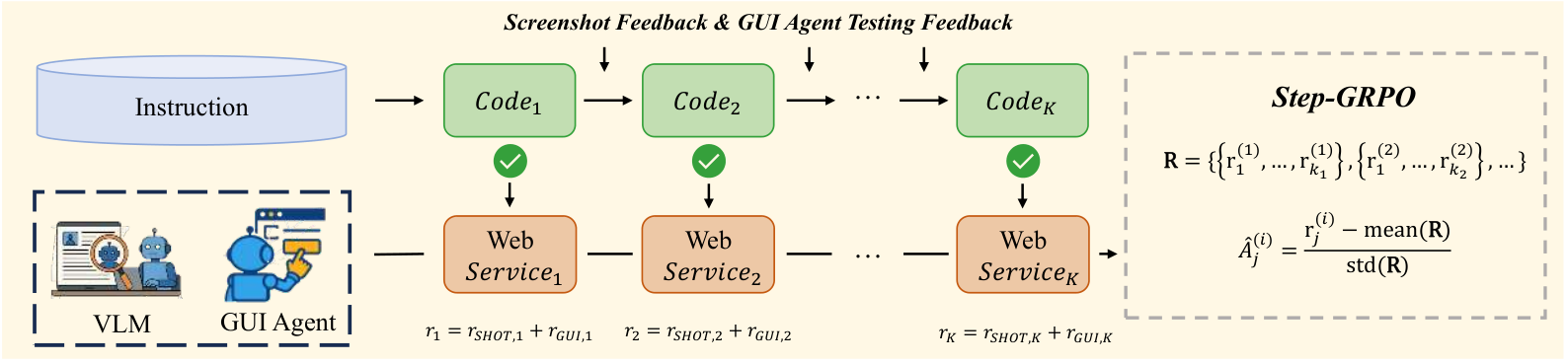
HTML 榜是单轮、不带 agent;Frontend 榜带 agent;Fullstack 榜要求模型自己设计数据库、写接口、写 React 前端并部署;Builders 榜把同一条提示词发给各家建站产品再盲投。
WebDev 榜和图片转网页榜。
4.1 Code Arena 的投票标准原文
Each model is scored on three axes that mirror real developer judgment: Functionality: Does the app do what it’s supposed to? Usability: Is it clear, responsive, and intuitive? Fidelity: Does it match the requested design or behavior?
Vote: Evaluators compare outputs pairwise, assessing functionality, usability, and fidelity as well as design, taste, and aesthetics.
4.2 Design Arena 的排名算法原文和公式
Rankings are calculated using the Bradley-Terry model, a statistical framework designed for pairwise comparison data. The model estimates each model’s inherent “strength” through an iterative algorithm that converges when strength estimates stabilize (threshold: 0.0001) or reaches 200 iterations. For each model, the algorithm updates its strength based on total wins divided by the sum of comparison probabilities across all opponents. Strengths are normalized to prevent numerical drift, then converted to ratings using the formula Rating = 400 × log₁₀(strength). Each pairwise comparison (vote) is weighted equally with no filtering or editorial adjustment.
You are a code expert. Please use your professional knowledge to generate accurate and professional responses. Be sure that the code you generate is executable for demonstration.

Please use HTML and JavaScript to implement a "Reflection Maze".

**Task**: Design a reflection maze where players can only determine the correct path by looking at the reflection.

**Hint**: You can create a mirror effect and make the true path of the maze visible only in the reflection.

Please create this game and include comments in your code to help other developers understand your implementation process.
这道题的评分清单有 10 条,每条满分 10 分。
Is the reflection maze core mechanism fully implemented? Check whether the code implements the essential mirror reflection effect where the true path is only visible in the reflection. Review if HTML Canvas or CSS transforms are used correctly to create the mirroring effect. Score 0 if no reflection is implemented, 5 if basic reflection exists but with visual glitches, and 10 if the reflection perfectly reveals the hidden path.
Is the maze generation algorithm properly implemented? Evaluate the maze generation algorithm for complexity and randomness. Check if it creates proper paths with walls and dead ends. Verify that the algorithm ensures at least one valid solution. Score 3 if using hardcoded maze patterns, 7 if implementing a simple maze generation algorithm, and 10 if implementing an advanced algorithm (recursive backtracking, Kruskal's, etc.) with configurable difficulty levels.
Is the player movement and collision detection correctly implemented? Review the player movement mechanics and collision detection with maze walls. Check if keyboard/mouse/touch controls are properly implemented, and if collisions prevent walking through walls. Validate that movement feels responsive (≤100ms delay). Deduct 5 points if collision detection has bugs, 3 points if movement feels sluggish, and 5 points if multiple control methods aren't supported.
Is the game state management complete with win/lose conditions? Check if the game properly tracks player position, progress, and implements clear win/lose conditions. Verify if the game has restart functionality and potentially tracks completion time or move count. Score 0 if no win condition exists, 5 if basic win detection is implemented, and 10 if comprehensive game state management includes time tracking, move counting, and multiple difficulty levels.
Is the code robust? Evaluate whether the code can handle common abnormal situations (such as out-of-bounds input, browser resize, user operation errors, etc.) and provide friendly error prompts or recovery mechanisms. Code with strong robustness should be able to effectively handle these edge cases, giving 10 points. If the robustness is average, give 5 points, and if no exceptions are handled, give 0 points.
Are there any innovative features that are eye-catching? Check whether the code includes surprise features that enhance the experience (e.g., 1. Dynamic lighting effects that affect reflections 2. Multiple mirror angles or distortions 3. Progressive difficulty with fog-of-war mechanics). Add 3 points for each practical innovative feature implemented (maximum 10 points).
Are there any redundant features? Strictly check three types of redundancy: 1. Redundant implementation of similar functions (e.g., multiple movement control systems) 2. Function modules unrelated to the reflection maze concept (e.g., unrelated mini-games) 3. Fancy effects that affect performance (e.g., excessive particle effects causing lag). Deduct 3 points for each redundancy found, and directly deduct 10 points if the core functions are interfered with by redundant code.
Does the code have engineering quality? Review modular design (such as separating game logic/view/input handling layers), code organization, and maintainability. Deduct 5 points if global state pollution is found or design patterns are not used; deduct 5 points if the code duplication rate is too high (over 30%); deduct 5 points if the code lacks proper comments as requested in the task. The full score is 10 points.
Does the interface vision meet professional design standards? Evaluate whether the overall design follows modern design principles: 1) Harmonious color matching that enhances the reflection effect (no more than 3 primary colors) 2) Proper layout spacing (element spacing follows the 8px multiple principle) 3) Clear visual distinction between the maze and its reflection. Deduct 3 points for each confusing visual element, 5 points for color combinations that make the reflection hard to see, and 5 points for chaotic layout. The full score is 10 points.
Is the dynamic interaction smooth and seamless? Judge whether the dynamic effects conform to human perception characteristics: 1) Reflection updates instantly with player movement 2) Transition animations controlled between 300-500ms 3) Clear visual feedback for successful/unsuccessful moves. Deduct 5 points for laggy reflection updates, 3 points for jerky character movement, and 5 points for unclear feedback when hitting walls or finding the correct path. The full score is 10 points.
You are a code expert. Please use your professional knowledge to generate accurate, professional responses. Make sure the generated code is executable for demonstration.

Please help me implement the following requirement using SVG code: create a rickshaw, which is a three-wheeled vehicle used for transportation in India, also known as a Tuktuk or vehicle.
这道题的评分清单有 10 条,每条满分 10 分。
Is the basic structure of the rickshaw (Tuktuk) properly implemented? Check if the SVG code includes the fundamental components of a rickshaw: chassis, three wheels (two at the back, one at the front), passenger compartment, and driver's seat. Deduct 3 points if any major component is missing, 2 points if proportions are unrealistic. Full implementation with correct proportions and structural integrity scores 10 points.
Are the rickshaw's detailed features accurately represented? Evaluate if the rickshaw includes authentic details like handlebars, roof/canopy, passenger seating area, headlights, and characteristic decoration elements. Score 3 points for basic features, 7 points for moderate detail, and 10 points for comprehensive authentic details including decorative elements typical of Indian rickshaws.
Is the SVG code properly structured with appropriate grouping and organization? Review if the SVG elements are logically grouped (<g> elements) for different parts of the rickshaw (wheels, body, canopy, etc.). Check if proper naming conventions or comments are used. Score 10 for excellent organization, 5 for basic organization, 0 for unorganized code.
Is perspective and dimensionality handled effectively? Check whether the rickshaw design effectively conveys a three-dimensional appearance through appropriate shadowing, gradients, or perspective techniques. A flat, simplistic design scores 3 points; basic dimensionality scores 6 points; realistic 3D appearance scores 10 points.
Is the code robust? Evaluate whether the SVG code is structurally sound, with proper coordinate systems, viewBox settings, and consistent units. Check if it renders properly across different browsers. Code with strong robustness should handle scaling appropriately without distortion. Give 10 points for excellent robustness, 5 for average, 0 if major rendering issues exist.
Are there any innovative features that are eye-catching? Check whether the code includes surprise features that enhance the visualization (e.g., 1. Animation of wheels spinning 2. Interactive elements that respond to user input 3. Variable color schemes or styles). Add 3 points for each practical innovative feature implemented (maximum 10 points).
Are there any redundant features? Strictly check three types of redundancy: 1. Duplicate SVG elements that serve the same purpose 2. Unnecessary complex paths that could be simplified 3. Excessive detail that impacts rendering performance. Deduct 3 points for each redundancy found, and directly deduct 10 points if the core representation is obscured by redundant elements.
Does the code have engineering quality? Review code cleanliness (indentation, consistent naming), optimization (use of symbols for repeated elements, appropriate path commands), and maintainability. Deduct 5 points if element IDs/classes are missing or poorly named; deduct 5 points if the SVG contains unnecessary complexity or inefficient path definitions. The full score is 10 points.
Does the visual design meet professional standards? Evaluate whether the overall design follows modern design principles: 1) Harmonious color scheme appropriate for an Indian rickshaw 2) Balanced proportions and visual weight 3) Attention to cultural authenticity in the design. Deduct 3 points for poor color choices, 5 points for disproportionate elements, and 5 points for culturally inaccurate representations. The full score is 10 points.
Is the final SVG optimized for performance and file size? Judge whether the SVG is efficiently implemented: 1) Appropriate use of basic shapes vs. complex paths 2) Elimination of unnecessary decimal precision in coordinates 3) Reuse of elements where possible. Deduct 3 points for each 20% increase in file size over an optimized equivalent, 5 points for unused definitions or attributes, and 5 points for overly complex paths that could be simplified. The full score is 10 points.
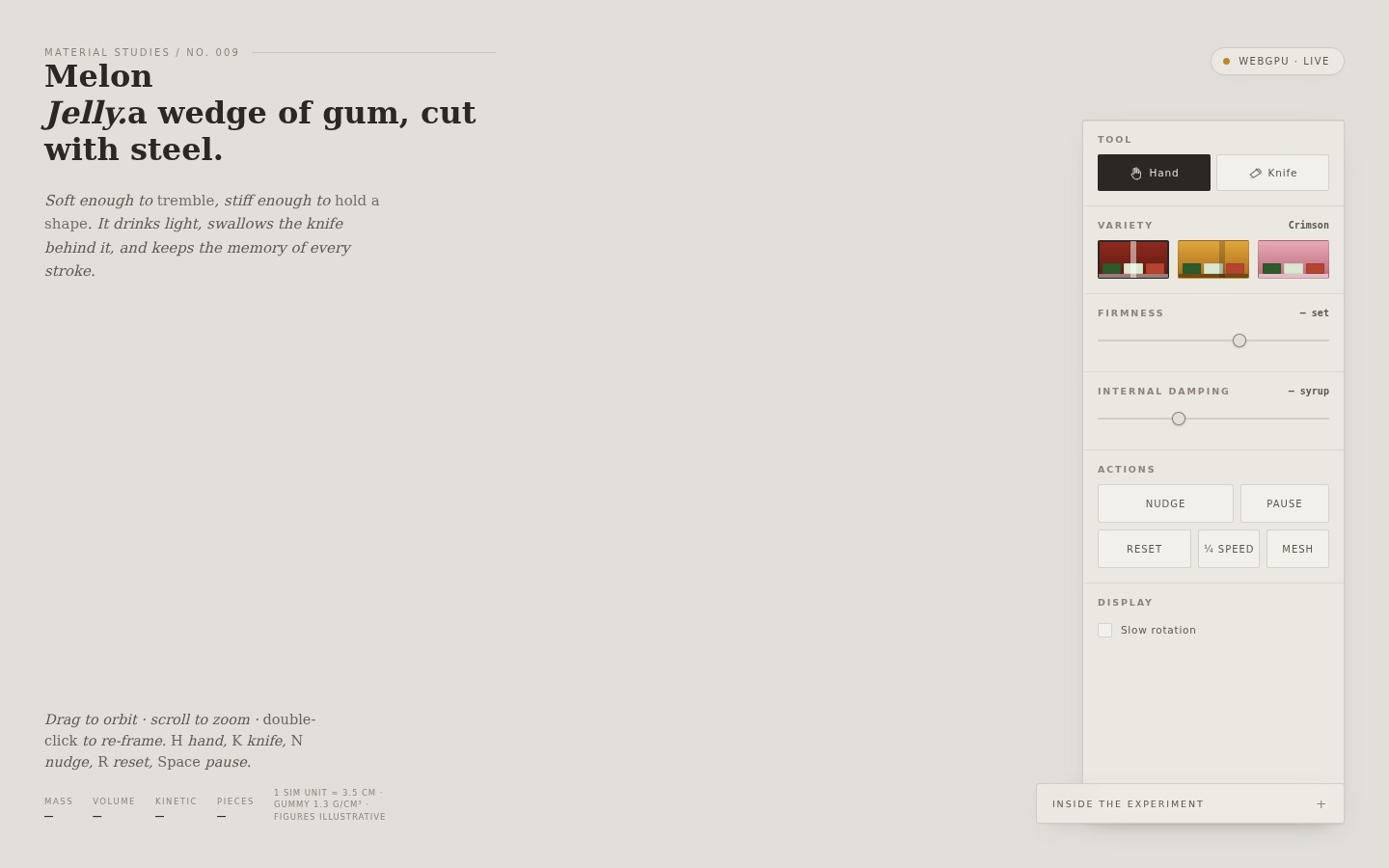
deepseek-v4.1-flash 这一份是 15 个文件的 Node 工程:Express 后端、探测调度和前端页面。这里嵌的是把它在本机跑起来之后的真实页面。官方评测只抽到其中的 public/index.html,渲染出来是空白,见官方规则抽到的 HTML 块。
属于 Data Science-Data Visualization Dashboards,难度是困难。下面是题目原文。
You are a code expert. Please use your professional knowledge to generate accurate and professional responses. Make sure the code you provide is executable whenever possible. Develop a CDN distribution monitoring tool that checks website access speed and availability across different global regions. Display loading times and error rates for various regions on a map, with support for setting detection frequency and alert conditions. Provide historical data comparison and trend analysis, as well as CDN node switching recommendations.
这道题的评分清单有 10 条,每条满分 10 分。
Is the global CDN monitoring system fully implemented? Review whether the code implements a comprehensive global CDN monitoring system with multiple geographic test points, parallel request handling, and proper timeout management. Check if it supports various HTTP methods and header configurations for accurate simulation of real user requests. Score 0 if the core monitoring functionality is missing, 5 if only basic single-region monitoring is implemented, and 10 if it includes at least 8 global regions with configurable test parameters.
Is the map visualization properly implemented? Evaluate whether the code implements an interactive map (using libraries like Leaflet, Mapbox, or D3.js) that accurately displays global CDN performance metrics. Check if the map includes color-coded performance indicators, proper tooltips showing detailed metrics, and responsive design that works across different screen sizes. Deduct 5 points if the map lacks interactive elements, 3 points if region identification is unclear, and 3 points if performance data is not visually distinguished (e.g., through color gradients or sized markers). The full score is 10 points.
Are the detection frequency and alert mechanisms properly implemented? Check if the code provides configurable monitoring intervals (from seconds to days) with proper throttling to prevent API abuse. Verify that the alert system includes threshold configuration, multiple notification channels (email, SMS, webhook), and alert escalation logic. Deduct 5 points if the monitoring frequency is hardcoded, 3 points if alerts lack severity levels, and 5 points if there's no mechanism to prevent alert storms. The full score is 10 points.
Is the historical data comparison and trend analysis feature implemented? Review whether the solution includes data persistence (database or structured file storage), time-series visualization (charts showing performance trends), and statistical analysis functions (calculating percentiles, detecting anomalies). Check if it supports comparing current performance against historical baselines and can identify seasonal patterns. Deduct 5 points if data retention is limited to less than 7 days, 3 points if trend visualization is missing, and 3 points if there's no anomaly detection. The full score is 10 points.
Is the code robust? Evaluate whether the code can handle common abnormal situations (such as API rate limiting, network timeouts, data corruption, etc.) and provide friendly error prompts or recovery mechanisms. Check for proper error handling when testing endpoints are unavailable or return unexpected responses. Code with strong robustness should be able to effectively handle these edge cases, giving 10 points. If the robustness is average, give 5 points, and if no exceptions are handled, give 0 points.
Are there any innovative features that are eye-catching? Check whether the code includes surprise features that enhance the experience (e.g., 1. Real-time protocol performance comparison (HTTP/1.1 vs HTTP/2 vs HTTP/3) 2. Synthetic transaction monitoring beyond simple pings 3. AI-powered prediction of potential CDN issues). Add 3 points for each practical innovative feature implemented (maximum 10 points).
Are there any redundant features? Strictly check three types of redundancy: 1. Redundant implementation of similar monitoring functions (e.g., multiple HTTP client libraries doing the same job) 2. Function modules unrelated to CDN monitoring (e.g., a built-in weather widget) 3. Fancy effects that affect performance (e.g., excessive animations that consume CPU). Deduct 3 points for each redundancy found, and directly deduct 10 points if the core functions are interfered with by redundant code.
Does the code have engineering quality? Review modular design (such as separating monitoring logic/visualization/data storage layers), unit test coverage, and build process automation. Check if the code follows proper architecture patterns for monitoring applications (e.g., observer pattern, pub/sub for alerts). Deduct 5 points if global state pollution is found or design patterns are not used; deduct 5 points if the code duplication rate is too high (over 30%); deduct 5 points if the build process is not automated. The full score is 10 points.
Does the interface vision meet professional monitoring dashboard standards? Evaluate whether the dashboard design follows monitoring-specific design principles: 1) Appropriate use of color for severity indication (red for critical, yellow for warnings, etc.) 2) Clear information hierarchy with most important metrics prominently displayed 3) Proper density of information without overwhelming the user. Deduct 3 points for each confusing visual element, 5 points for misleading color usage (e.g., using red for normal status), and 5 points for cluttered dashboards that hinder quick issue identification. The full score is 10 points.
Is the dynamic interaction smooth and informative for monitoring purposes? Judge whether the interactive elements serve monitoring needs: 1) Quick filters to isolate problem regions/nodes 2) Drill-down capabilities from overview to detailed metrics 3) Clear visual indications when data is being refreshed or is stale. Deduct 5 points for missing real-time update indicators, 3 points for unclear data timestamp information, and 5 points for interactions that interrupt the monitoring workflow (e.g., modal dialogs that block the view of critical alerts). The full score is 10 points.
You are a code expert, please use your professional knowledge to generate accurate and professional responses. Be sure to ensure the generated code is executable for demonstration. Design a Millikan oil drop experiment simulation webpage that allows dynamic changes to the electric field voltage, oil drop height, and oil drop charge; the webpage needs to clearly display the height of two metal plates, with the lower metal plate's height defaulted to 0; the webpage should store multiple experiment records displayed in a list format.
这道题的评分清单有 10 条,每条满分 10 分。
Is the core physics simulation of the Millikan oil drop experiment accurately implemented? Check whether the code correctly implements the fundamental physics principles of the Millikan oil drop experiment, including the balance between gravitational and electrical forces. Verify that the simulation handles the following equations correctly: F_electric = qE (where q is charge, E is electric field), F_gravity = mg, and whether terminal velocity calculations incorporate air resistance/viscosity. Score 0 if the physics model is incorrect, 5 if basic forces are implemented but with simplifications, and 10 if the complete physics model including air resistance is accurately implemented.
Are the adjustable parameters (electric field voltage, oil drop height, oil drop charge) properly implemented? Evaluate whether the interface provides intuitive controls for adjusting the three key parameters. Check if voltage changes appropriately affect the electric field strength and consequently the oil drop movement. Verify that changing the initial drop height correctly repositions the drop, and that modifying the charge value affects the drop's response to the electric field. Deduct 3 points if any parameter cannot be adjusted, 2 points if adjustments don't immediately reflect in the simulation, and 2 points if parameter ranges are unrealistic. The full score is 10 points.
Is the visualization of the experimental setup correctly displayed? Assess whether the webpage clearly shows two metal plates with correct height representation, with the lower plate properly set at height 0. Check if the oil drop is visibly positioned between the plates and its movement is smooth and visually traceable. Verify whether the electric field is visually indicated (e.g., with field lines or color gradients). Deduct 5 points if the metal plates are not clearly defined, 3 points if the relative positioning is incorrect, and 3 points if there's no visual indication of the electric field direction. The full score is 10 points.
Is the experiment record storage and display functionality fully implemented? Check whether the code successfully stores multiple experiment records and displays them in a list format. Verify if each record captures all relevant experimental parameters (voltage, drop charge, initial height) and outcomes (terminal velocity, balance point). Assess whether the records remain available after page refresh using local storage. Deduct 3 points if record persistence isn't implemented, 3 points if the list display is cluttered or hard to read, and 3 points if records lack timestamps or unique identifiers. The full score is 10 points.
Is the code robust? Evaluate whether the code can handle common abnormal situations (such as extreme parameter inputs, browser compatibility issues, mobile responsiveness) and provide friendly error prompts or recovery mechanisms. Code with strong robustness should be able to effectively handle these edge cases, giving 10 points. If the robustness is average, give 5 points, and if no exceptions are handled, give 0 points.
Are there any innovative features that are eye-catching? Check whether the code includes surprise features that enhance the experience (e.g., 1. Real-time data graphing of drop movement 2. Physics calculation formulas displayed alongside simulation 3. Comparison tool between experimental and theoretical values). Add 3 points for each practical innovative feature implemented (maximum 10 points).
Are there any redundant features? Strictly check three types of redundancy: 1. Redundant implementation of similar functions (e.g., multiple ways to reset the experiment) 2. Function modules unrelated to the Millikan experiment (e.g., unrelated animations or calculators) 3. Fancy effects that affect performance (e.g., unnecessary 3D effects that slow down the simulation). Deduct 3 points for each redundancy found, and directly deduct 10 points if the core functions are interfered with by redundant code.
Does the code have engineering quality? Review modular design (such as separating physics engine/view/data management layers), unit test coverage, and build process automation. Deduct 5 points if global state pollution is found or design patterns are not used; deduct 5 points if the code duplication rate is too high (over 30%); deduct 5 points if the build process is not automated. The full score is 10 points.
Does the interface vision meet professional design standards? Evaluate whether the overall design follows modern design principles: 1) Harmonious color matching (no more than 3 primary colors) 2) Proper layout spacing (element spacing follows the 8px multiple principle) 3) Professional font system (body font size ≥ 14px, line height over 1.5 times). Deduct 3 points for each crowded visual element, 5 points for a glaring color combination, and 5 points for chaotic text-image layout. The full score is 10 points.
Is the dynamic interaction smooth and seamless? Judge whether the dynamic effects conform to human perception characteristics: 1) Click feedback delay ≤ 100ms 2) Transition animation duration controlled between 300-500ms 3) Clear visual focus guidance for the experiment process. Deduct 5 points for each operation without feedback, 3 points for visual jitter during oil drop movement, and 5 points for hard-to-find parameter controls. The full score is 10 points.
You are a code expert. Please use your professional knowledge to generate accurate and professional responses. Be sure to ensure that the generated code is executable for demonstration purposes. Develop code for a screenshot tool that allows users to capture browser areas through simple button triggers, supporting three modes: selected area, current visible window, and entire webpage. Users should be able to perform simple edits on the screenshots (such as adding text, drawing boxes, marking with arrows). Finally, users should be able to save the screenshot as an image format and download it quickly.
这道题的评分清单有 10 条,每条满分 10 分。
Is the screenshot capture functionality fully implemented? Review whether the code accurately implements all three required screenshot modes (selected area, current visible window, and entire webpage). Check if the selection mechanism for the 'selected area' mode allows for precise rectangular selections with visual feedback. Score 0 if no capture functionality works, 5 if only some modes are implemented, and 10 if all three modes work correctly with proper user feedback.
How well is the screenshot editing functionality implemented? Evaluate the implementation of the editing tools (text addition, rectangle drawing, and arrow marking). Check if the text tool supports font customization, if rectangle drawing allows for different colors/sizes, and if arrow markers can be properly positioned and oriented. Deduct 3 points if any required tool is missing, 2 points if a tool lacks essential customization options, and 5 points if the edit interface is not intuitive. The full score is 10 points.
Is the image saving and downloading feature properly implemented? Check if the screenshot can be saved in common image formats (PNG/JPG) and if the download functionality works correctly. Verify that the download process initiates promptly, uses appropriate file naming conventions, and preserves image quality. Deduct 5 points if only one format is supported, 3 points if the download process is overly complicated, and 7 points if downloaded images show quality degradation. The full score is 10 points.
How well does the tool handle browser compatibility and permissions? Assess whether the code properly handles browser permissions for screen capture and considers compatibility across major browsers. Check if appropriate fallbacks or guidance is provided when permissions are denied or features are unsupported. Deduct 5 points if the tool only works in one specific browser, 3 points if permission handling is inadequate, and 5 points if there's no error handling for unsupported scenarios. The full score is 10 points.
Is the code robust? Evaluate whether the code can handle common abnormal situations (such as permission denials, failed captures, memory constraints with large screenshots, etc.) and provide friendly error prompts or recovery mechanisms. Code with strong robustness should be able to effectively handle these edge cases, giving 10 points. If the robustness is average, give 5 points, and if no exceptions are handled, give 0 points.
Are there any innovative features that are eye-catching? Check whether the code includes surprise features that enhance the experience (e.g., 1. OCR text recognition in screenshots 2. Auto-blur detection for sensitive information 3. Cloud storage integration 4. One-click sharing options). Add 3 points for each practical innovative feature implemented (maximum 10 points).
Are there any redundant features? Strictly check three types of redundancy: 1. Redundant implementation of similar functions (e.g., multiple ways to perform the same capture) 2. Function modules unrelated to screenshot capture and editing (e.g., built-in image gallery) 3. Fancy effects that affect performance (e.g., unnecessary animations during capture). Deduct 3 points for each redundancy found, and directly deduct 10 points if the core functions are interfered with by redundant code.
Does the code have engineering quality? Review modular design (such as separating capture/editing/storage logic), unit test coverage, and build process automation. Deduct 5 points if global state pollution is found or design patterns are not used; deduct 5 points if the code duplication rate is too high (over 30%); deduct 5 points if the build process is not automated. The full score is 10 points.
Does the interface vision meet professional design standards? Evaluate whether the overall design follows modern design principles: 1) Harmonious color matching (no more than 3 primary colors) 2) Proper layout spacing (element spacing follows the 8px multiple principle) 3) Professional font system (body font size ≥ 14px, line height over 1.5 times). Deduct 3 points for each crowded visual element, 5 points for a glaring color combination, and 5 points for chaotic text-image layout. The full score is 10 points.
Is the dynamic interaction smooth and seamless? Judge whether the dynamic effects conform to human perception characteristics: 1) Immediate visual feedback when initiating screenshot capture 2) Transition animations when switching between capture and edit modes (300-500ms) 3) Clear highlighting of active editing tools. Deduct 5 points for each operation without feedback, 3 points for laggy selection highlighting, and 5 points for hard-to-find editing controls. The full score is 10 points.
属于 Web Applications-Education/Learning,难度是中等。下面是题目原文。
You are a coding expert, please use your professional knowledge to generate accurate, professional responses. Be sure to create executable code for demonstration where possible. Design a small web game for fifth-graders to practice English vocabulary.
这道题的评分清单有 10 条,每条满分 10 分。
Is the English vocabulary learning system fully implemented? Evaluate whether the code implements a comprehensive vocabulary learning system with word presentation, pronunciation, definition display, and interactive practice methods. Score 0 if the core vocabulary learning components are missing, 5 if only basic word display is implemented, and 10 if it includes multiple learning modes (flashcards, matching, spelling challenges, etc.) appropriate for fifth-grade level.
Is the game aspect engaging and age-appropriate? Check whether the implementation includes gamification elements suitable for fifth-graders such as points, levels, achievements, or competitive elements. Deduct 5 points if the game lacks progression mechanics, 3 points if there's no reward system, and 5 points if the difficulty is inappropriate for fifth-grade students. The full score is 10 points.
Is the vocabulary content appropriate and educational? Assess whether the vocabulary content aligns with fifth-grade curriculum standards, includes appropriate difficulty progression, and offers contextual learning. Deduct 5 points if the vocabulary selection is random without educational planning, 3 points if words lack definitions or usage examples, and 5 points if the content doesn't support different learning styles. The full score is 10 points.
Is there a progress tracking and feedback system? Evaluate whether the code implements progress tracking (such as words mastered, accuracy rates, improvement over time) and provides constructive feedback to learners. Deduct 5 points if there's no persistent progress tracking, 3 points if feedback is generic rather than specific to the learner's performance, and 5 points if there's no visualization of progress. The full score is 10 points.
Is the code robust? Evaluate whether the code can handle common abnormal situations (such as incorrect inputs, browser differences, unloaded resources, etc.) and provide friendly error prompts or recovery mechanisms. Code with strong robustness should be able to effectively handle these edge cases, giving 10 points. If the robustness is average, give 5 points, and if no exceptions are handled, give 0 points.
Are there any innovative features that are eye-catching? Check whether the code includes surprise features that enhance the learning experience (e.g., 1. Speech recognition for pronunciation practice 2. Adaptive difficulty based on performance 3. Social learning components like class leaderboards). Add 3 points for each practical innovative feature implemented (maximum 10 points).
Are there any redundant features? Strictly check three types of redundancy: 1. Redundant implementation of similar learning activities 2. Function modules unrelated to vocabulary learning 3. Fancy effects that distract from learning or affect performance. Deduct 3 points for each redundancy found, and directly deduct 10 points if the core learning functions are interfered with by redundant code.
Does the code have engineering quality? Review modular design (such as separating game logic/view/data layers), maintainability, and organization of vocabulary data. Deduct 5 points if global state pollution is found or design patterns are not used; deduct 5 points if the code duplication rate is too high (over 30%); deduct 5 points if vocabulary data isn't externalized for easy updating. The full score is 10 points.
Does the interface design meet age-appropriate design standards? Evaluate whether the design is suitable for fifth-graders: 1) Clear, readable typography (font size ≥ 16px, high contrast) 2) Age-appropriate visual elements and color schemes 3) Simple, intuitive navigation with clear instructions. Deduct 3 points for each hard-to-read text element, 5 points for overly complex interfaces requiring reading comprehension beyond fifth-grade level, and 5 points for confusing navigation. The full score is 10 points.
Is the interaction accessible and engaging for children? Judge whether the interactions are suitable for fifth-graders: 1) Immediate feedback on interactions 2) Forgiving interface that allows for motor skill imprecision 3) Engaging animations and sound effects that reinforce learning. Deduct 5 points for each interaction requiring fine motor skills beyond fifth-grade abilities, 3 points for delayed feedback that could confuse learners, and 5 points for lack of audio support for vocabulary learning. The full score is 10 points.
You are a code expert. Please use your professional knowledge to generate accurate and professional responses. Laboratory Instrument Calibration Management System

You are a code expert. Please use your professional knowledge to generate accurate and professional responses. Try to ensure the generated code is executable for demonstration. Please write code to implement a laboratory instrument calibration management system for managing precision instruments that require regular calibration. The system needs to record each instrument's basic information (instrument number, name, model, accuracy class, etc.), calibration cycle, and historical calibration records (calibration date, calibration institution, calibration results, certificate number, etc.). The system needs to display the most recent calibration date and the next calibration due date, and automatically send reminder notifications before calibration expires. Laboratory personnel (username lab-user, password 123456) can view the calibration status of all instruments and submit calibration requests. The metrology supervisor (username metrology, password 123456) reviews applications, arranges calibration plans, registers calibration results, and uploads scanned calibration certificates. System administrators (username admin, password 123456) can add/edit instrument information, set calibration cycles and reminder times, and generate calibration statistical reports. The system should also support calibration cost management functionality to record and track calibration expenditures for various instruments.
这道题的评分清单有 10 条,每条满分 10 分。
Is the instrument management functionality fully implemented? Review whether the code implements a complete instrument database with all required fields (instrument number, name, model, accuracy class, etc.). Check if CRUD operations for instruments are properly implemented and secured. Score 0 if basic instrument management is missing, 5 if only basic fields are implemented, 10 if complete with advanced features like instrument categories, location tracking, and status indicators.
Is the calibration tracking system properly implemented? Evaluate whether the system correctly records calibration cycles, calculates next due dates, maintains complete historical records, and properly links calibration certificates. Score 0 if calibration tracking is absent, 5 if basic tracking exists but has calculation issues, and 10 if the system includes comprehensive history, accurate date calculations, and proper certificate management.
Is the reminder notification system functional? Check if the system includes an automatic notification mechanism triggered by approaching calibration due dates. Verify if it supports multiple notification methods (email, in-system alerts, etc.), customizable reminder periods, and escalation for overdue calibrations. Deduct 5 points if notifications are manual only, 3 points if only one notification channel is implemented. Full score for a robust, configurable notification system with confirmation tracking.
Is the role-based access control system properly implemented? Evaluate whether the three required roles (lab user, metrology supervisor, admin) are correctly implemented with appropriate permissions for each function. Check for secure authentication, proper session management, and access restrictions. Deduct 5 points if any role is missing core functionality, 5 points for security vulnerabilities in authentication. Full score requires complete permission management with audit trails for sensitive operations.
Is the code robust? Evaluate whether the code can handle common abnormal situations (such as invalid date inputs, duplicate instrument numbers, certificate upload failures, etc.) and provide friendly error prompts or recovery mechanisms. Code with strong robustness should be able to effectively handle these edge cases, giving 10 points. If the robustness is average, give 5 points, and if no exceptions are handled, give 0 points.
Are there any innovative features that are eye-catching? Check whether the code includes surprise features that enhance the experience (e.g., 1. AI-based prediction of calibration drift 2. QR code generation for quick instrument information access 3. Dashboard with visual calibration status indicators). Add 3 points for each practical innovative feature implemented (maximum 10 points).
Are there any redundant features? Strictly check three types of redundancy: 1. Redundant implementation of similar functions (e.g., multiple notification systems with overlapping functionality) 2. Function modules unrelated to calibration management (e.g., a built-in chat system) 3. Fancy effects that affect performance (e.g., heavy animations on critical paths). Deduct 3 points for each redundancy found, and directly deduct 10 points if the core functions are interfered with by redundant code.
Does the code have engineering quality? Review modular design (such as separating database/business logic/view layers), unit test coverage, and build process automation. Deduct 5 points if global state pollution is found or design patterns are not used; deduct 5 points if the code duplication rate is too high (over 30%); deduct 5 points if the build process is not automated. The full score is 10 points.
Does the interface vision meet professional design standards? Evaluate whether the overall design follows modern design principles: 1) Harmonious color matching (no more than 3 primary colors) 2) Proper layout spacing (element spacing follows the 8px multiple principle) 3) Professional font system (body font size ≥ 14px, line height over 1.5 times). Deduct 3 points for each crowded visual element, 5 points for a glaring color combination, and 5 points for chaotic text-image layout. The full score is 10 points.
Is the dynamic interaction smooth and seamless? Judge whether the dynamic effects conform to human perception characteristics: 1) Click feedback delay ≤ 100ms 2) Transition animation duration controlled between 300-500ms 3) Clear visual focus guidance. Deduct 5 points for each operation without feedback, 3 points for visual after-images during fast sliding, and 5 points for hard-to-find key function buttons. The full score is 10 points.
You are a code expert. Please use your professional knowledge to generate accurate and professional responses. Be sure to provide executable code when possible. Develop a frontend program for audio trimming and labeling, where users can upload audio, trim specific time segments, add text labels to the trimmed audio, and finally save the audio file with the label information.
这道题的评分清单有 10 条,每条满分 10 分。
Is the audio uploading and playback functionality fully implemented? Check if the code implements a complete audio file upload mechanism with format validation (.mp3, .wav, etc.) and proper error handling for unsupported formats. Verify that the audio playback controls include play/pause, volume control, and a working progress display. Score 0 if audio upload/playback is missing, 5 if basic functionality works but lacks format validation or error handling, and 10 if fully implemented with comprehensive format support and robust error handling.
Is the audio trimming functionality properly implemented? Evaluate whether the trimming interface allows precise selection of start and end points with visual feedback (e.g., highlighted regions, time markers). Check if the waveform visualization is implemented to aid in precise trimming. Score 0 if trimming functionality is absent, 5 if basic trimming works but lacks precision controls or visual feedback, and 10 if the implementation includes fine-grained time controls (at least millisecond precision) with visual waveform representation.
Is the audio labeling system comprehensive? Assess whether the code implements a labeling system that allows adding, editing, and deleting text labels for trimmed segments. Check if labels are properly associated with specific time ranges and if multiple labels can be added to different segments. Score 0 if labeling functionality is missing, 5 if basic labeling exists but lacks editing capabilities or proper time association, and 10 if the implementation includes a complete label management system with metadata support.
Is the saving and exporting functionality complete? Review whether the code provides functionality to save trimmed audio segments along with their associated labels. Check if the export format preserves both audio quality and label information (e.g., JSON metadata, embedded ID3 tags for MP3). Score 0 if export functionality is missing, 5 if basic export works but doesn't preserve labels properly, and 10 if the implementation includes multiple export options with preserved metadata and batch export capabilities.
Is the code robust? Evaluate whether the code can handle common abnormal situations (such as corrupt audio files, browser compatibility issues, memory limitations with large files) and provide friendly error prompts or recovery mechanisms. Code with strong robustness should be able to effectively handle these edge cases, giving 10 points. If the robustness is average, give 5 points, and if no exceptions are handled, give 0 points.
Are there any innovative features that are eye-catching? Check whether the code includes surprise features that enhance the experience (e.g., 1. AI-assisted auto-labeling 2. Voice-to-text transcription integration 3. Keyboard shortcuts for efficient editing 4. Label categorization with color coding). Add 3 points for each practical innovative feature implemented (maximum 10 points).
Are there any redundant features? Strictly check three types of redundancy: 1. Redundant implementation of similar functions (e.g., multiple audio processing libraries loaded) 2. Function modules unrelated to audio editing (e.g., unnecessary social sharing features) 3. Fancy effects that affect performance (e.g., excessive animations that slow down the interface). Deduct 3 points for each redundancy found, and directly deduct 10 points if the core functions are interfered with by redundant code.
Does the code have engineering quality? Review modular design (such as separating audio processing logic/UI components/data management), unit test coverage, and build process automation. Deduct 5 points if global state pollution is found or design patterns are not used; deduct 5 points if the code duplication rate is too high (over 30%); deduct 5 points if the build process is not automated. The full score is 10 points.
Does the interface vision meet professional design standards? Evaluate whether the overall design follows modern design principles: 1) Harmonious color matching (no more than 3 primary colors) 2) Proper layout spacing (element spacing follows the 8px multiple principle) 3) Professional font system (body font size ≥ 14px, line height over 1.5 times). Deduct 3 points for each crowded visual element, 5 points for a glaring color combination, and 5 points for chaotic text-image layout. The full score is 10 points.
Is the dynamic interaction smooth and seamless? Judge whether the dynamic effects conform to human perception characteristics: 1) Audio processing operations respond within 200ms 2) Waveform rendering is smooth even with longer audio files 3) Clear visual feedback when applying labels or trimming operations. Deduct 5 points for each operation without feedback, 3 points for laggy waveform displays during scrolling/zooming, and 5 points for unintuitive label interaction. The full score is 10 points.
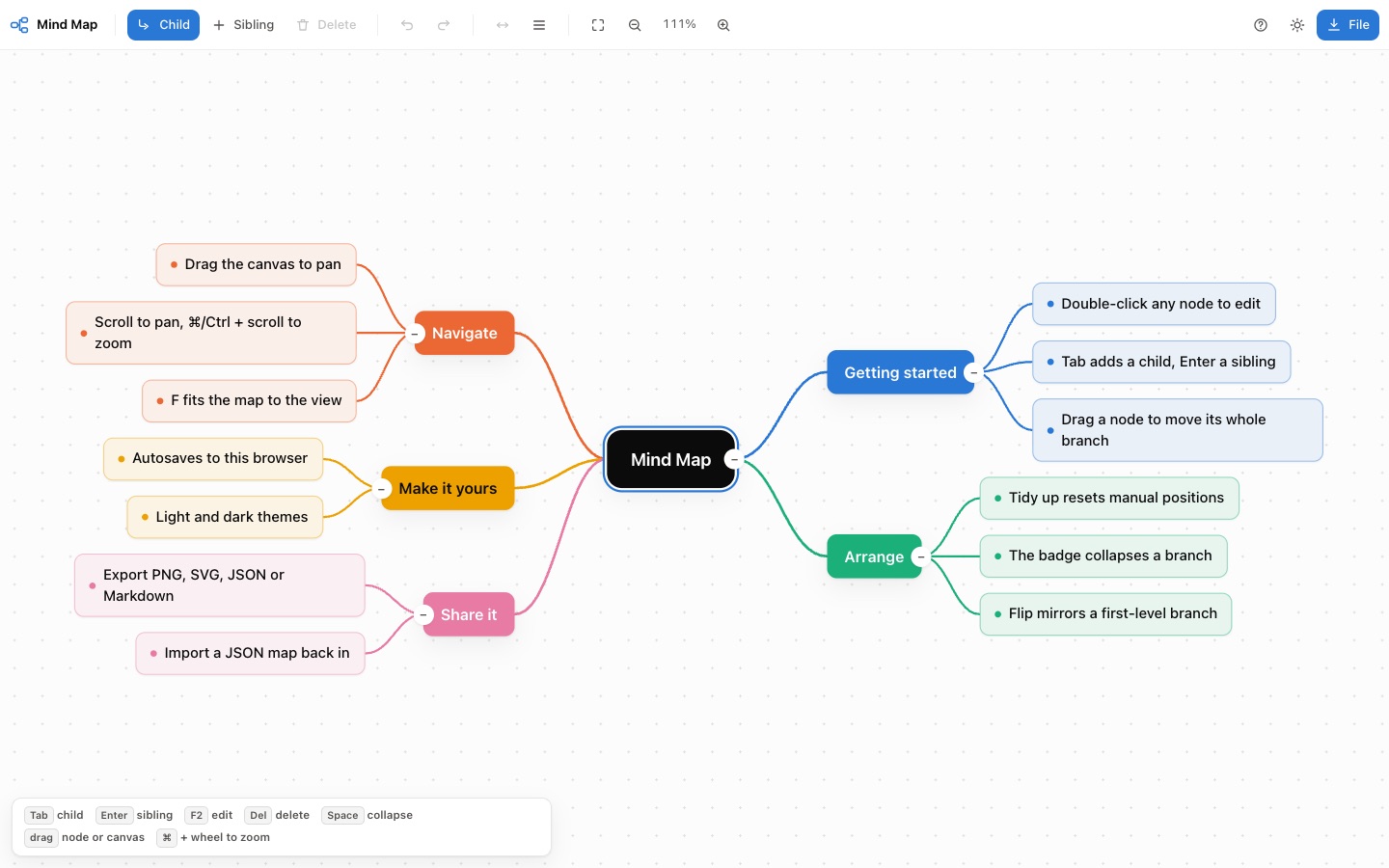
You are a code expert. Please use your professional knowledge to generate accurate, professional responses. Be sure to provide executable code where possible. Create a practical mind mapping mini-program or executable HTML code that will allow me to easily create mind maps.
这道题的评分清单有 10 条,每条满分 10 分。
Is the core mind mapping functionality fully implemented? Review whether the code accurately implements node creation, deletion, editing, and hierarchical relationships through HTML/JavaScript/SVG. Must include drag-and-drop node positioning, parent-child relationship management, and dynamic branch connections. Score 0 if basic node operations are missing, 5 if only static node display is implemented, and 10 if full interactive mind mapping with real-time connection updates is achieved.
Is the visual node connection system properly implemented? Check whether the connection lines between nodes use proper algorithms (Bezier curves or optimized paths) and dynamically update when nodes are moved. Evaluate if connection points are accurately calculated and visually appealing. Deduct 5 points if connections don't follow nodes during drag operations, 3 points if line overlapping issues exist, and 5 points if connection algorithms cause performance issues. Full score is 10 points.
Is comprehensive data persistence and export functionality provided? Evaluate whether the mind map data can be saved locally (localStorage/IndexedDB) and exported in standard formats (JSON/XML/PNG/SVG). Check if import functionality exists for data recovery. Deduct 5 points if only basic localStorage is used without proper data structure, 3 points if export formats are limited, and 5 points if no import/recovery mechanism exists. Full score is 10 points.
Is advanced mind mapping interaction design implemented? Check whether the code includes professional mind mapping features such as node styling customization (colors, shapes, fonts), zoom and pan functionality, keyboard shortcuts, and multi-selection operations. Deduct 5 points if zoom/pan is not smooth or missing, 3 points if keyboard shortcuts are not implemented, and 5 points if node customization options are limited. Give 10 points if fully implemented with professional UX patterns.
Is the code robust and handles edge cases properly? Evaluate whether the code can handle common abnormal situations (such as invalid node operations, data corruption, browser compatibility issues, and memory leaks during extensive mind map creation). Code with strong robustness should effectively handle these edge cases and provide user-friendly error messages. Give 10 points for excellent error handling, 5 points for basic exception handling, and 0 points if no error handling exists.
Are there innovative features that enhance user experience? Check whether the code includes advanced features that distinguish it from basic mind mapping tools (e.g., 1. Auto-layout algorithms for optimal node positioning 2. Template system with predefined mind map structures 3. Real-time collaboration features 4. AI-powered content suggestions 5. Advanced search and filtering). Add 2-3 points for each well-implemented innovative feature (maximum 10 points).
Are there any redundant or unnecessary features? Strictly check for three types of redundancy: 1. Duplicate functionality implementations (e.g., multiple save mechanisms that conflict) 2. Features unrelated to mind mapping core purpose (e.g., built-in games or social media integration) 3. Over-engineered animations that impact performance without adding value. Deduct 3 points for each redundancy found, and deduct 10 points if redundant code interferes with core mind mapping functionality.
Does the code demonstrate high engineering quality standards? Review modular architecture (separation of data model, view rendering, and user interaction layers), code organization, and maintainability. Check for proper event handling, memory management, and performance optimization. Deduct 5 points for poor separation of concerns or spaghetti code structure; deduct 5 points if code duplication exceeds 25%; deduct 5 points for inefficient DOM manipulation or rendering bottlenecks. Full score is 10 points.
Does the interface design meet professional visual standards? Evaluate whether the mind mapping interface follows modern design principles: 1) Clean and intuitive toolbar design with proper iconography 2) Consistent color scheme that enhances readability (background contrast ratio ≥ 4.5:1) 3) Proper spacing and typography (minimum 12px font size, adequate line spacing). Deduct 3 points for cluttered UI elements, 5 points for poor color contrast or accessibility issues, and 5 points for inconsistent visual hierarchy. Full score is 10 points.
Are the interactive animations smooth and enhance usability? Judge whether dynamic effects support productive mind mapping workflow: 1) Node creation/deletion animations are smooth and provide clear feedback 2) Drag operations have appropriate visual cues and snap-to-grid behavior 3) Zoom/pan transitions are fluid without jarring jumps 4) Loading states and transitions don't interrupt user flow. Deduct 5 points for laggy animations during complex operations, 3 points for missing visual feedback on user actions, and 5 points for disorienting or excessive animations. Full score is 10 points.
You are a code expert. Please use your professional knowledge to generate accurate and professional responses. Make sure the code you provide is executable when possible. Write a Four Pillars (BaZi) charting software that only displays the Four Pillars and Decennial Cycles.
这道题的评分清单有 10 条,每条满分 10 分。
Is the Four Pillars (BaZi) chart calculation correctly implemented? Check whether the code accurately calculates the Four Pillars (year, month, day, hour) based on date and time input. Verify that the Heavenly Stems and Earthly Branches are correctly assigned according to traditional Chinese calendar calculations. Score 0 if core calculation logic is missing, 5 if basic pillar formation exists with minor errors, and 10 if calculations fully comply with traditional BaZi principles including solar calendar adjustments.
Are the Decennial Cycles (Luck Pillars) correctly calculated? Evaluate whether the code properly determines the Decennial Cycles (Da Yun) based on the Four Pillars chart. Check for accurate implementation of starting age calculation, cycle transitions, and proper sequencing of Heavenly Stems and Earthly Branches in the luck pillars. Deduct 5 points if the starting point of luck pillars is incorrect, 3 points if the cycle progression direction (forward/reverse based on gender) is wrong. The full score is 10 points.
Does the software handle various calendar systems and time conversions properly? Verify that the software can convert between solar (Gregorian) and lunar calendars accurately, handling leap months and time zone differences correctly. Check if the software properly accounts for historical calendar changes and different date formats. Deduct 5 points if lunar-solar conversion has errors, 3 points if time zone handling is missing, and 2 points if historical dates (before 1900) are not supported. The full score is 10 points.
Is the visual representation of the Four Pillars chart clear and traditional? Assess whether the chart follows traditional BaZi visualization standards with clear distinction between Heavenly Stems and Earthly Branches. Check if Chinese characters are properly displayed with their corresponding elements (Five Elements) appropriately color-coded. Deduct 3 points if elements aren't color-coded, 5 points if the traditional layout isn't followed, and 2 points if the relationship between pillars isn't visually clear. The full score is 10 points.
Is the code robust? Evaluate whether the code can handle common abnormal situations (such as invalid dates, future dates, dates before the supported calendar system, etc.) and provide friendly error prompts or recovery mechanisms. Code with strong robustness should be able to effectively handle these edge cases, giving 10 points. If the robustness is average, give 5 points, and if no exceptions are handled, give 0 points.
Are there any innovative features that are eye-catching? Check whether the code includes surprise features that enhance the experience (e.g., 1. Visual representation of the Five Elements balance 2. Interactive element clash/combination highlights 3. Simplified explanations of chart significance). Add 3 points for each practical innovative feature implemented (maximum 10 points).
Are there any redundant features? Strictly check three types of redundancy: 1. Features beyond the scope of Four Pillars and Decennial Cycles (e.g., detailed fortune interpretation) 2. Unnecessary calculation methods that complicate the codebase 3. Fancy effects that affect performance without adding value to the core functionality. Deduct 3 points for each redundancy found, and directly deduct 10 points if the core functions are interfered with by redundant code.
Does the code have engineering quality? Review modular design (such as separating calculation logic/view/data models), unit test coverage, and build process automation. Deduct 5 points if global state pollution is found or design patterns are not used; deduct 5 points if the code duplication rate is too high (over 30%); deduct 5 points if the build process is not automated. The full score is 10 points.
Does the interface vision meet professional design standards? Evaluate whether the overall design follows modern design principles while respecting traditional BaZi aesthetics: 1) Harmonious color matching (using traditional Five Elements colors appropriately) 2) Proper layout spacing (element spacing follows the 8px multiple principle) 3) Professional font system (clear rendering of both Chinese characters and numerals). Deduct 3 points for each crowded visual element, 5 points for a glaring color combination, and 5 points for chaotic text-image layout. The full score is 10 points.
Is the dynamic interaction smooth and seamless? Judge whether the dynamic effects conform to human perception characteristics: 1) Click feedback delay ≤ 100ms 2) Transition animation duration controlled between 300-500ms 3) Clear visual focus guidance when switching between chart views or date inputs. Deduct 5 points for each operation without feedback, 3 points for visual after-images during transitions, and 5 points for hard-to-find key function buttons. The full score is 10 points.
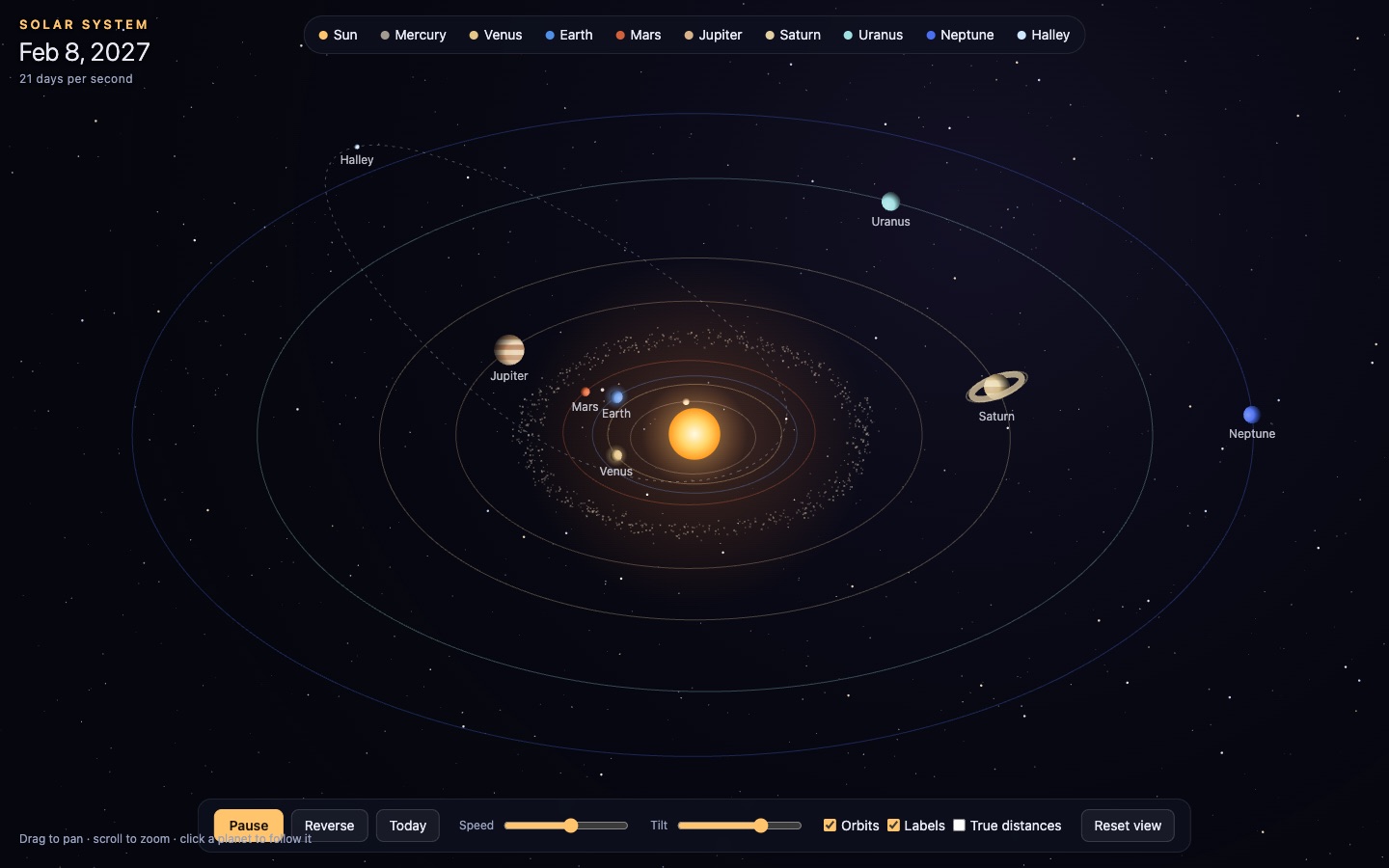
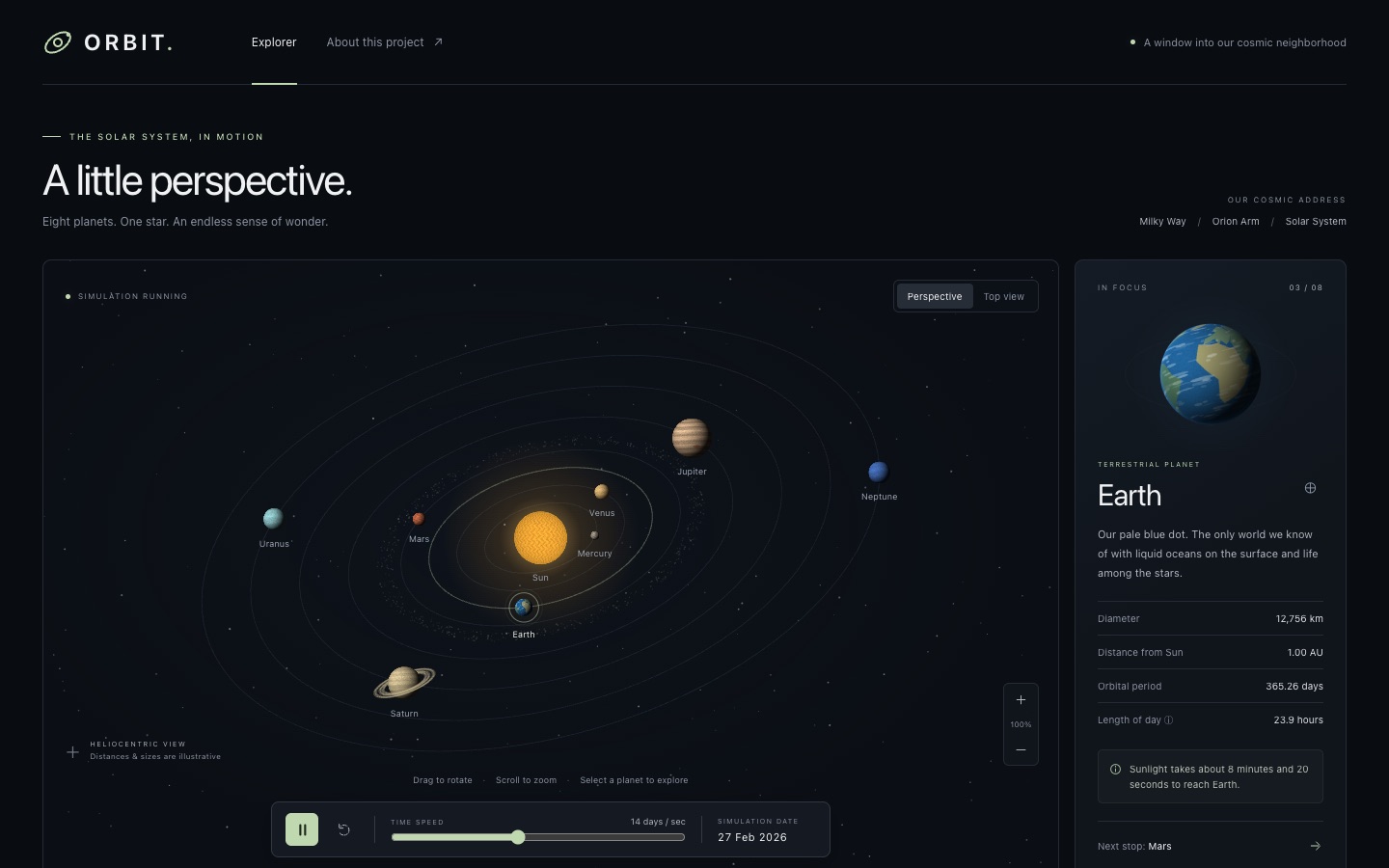
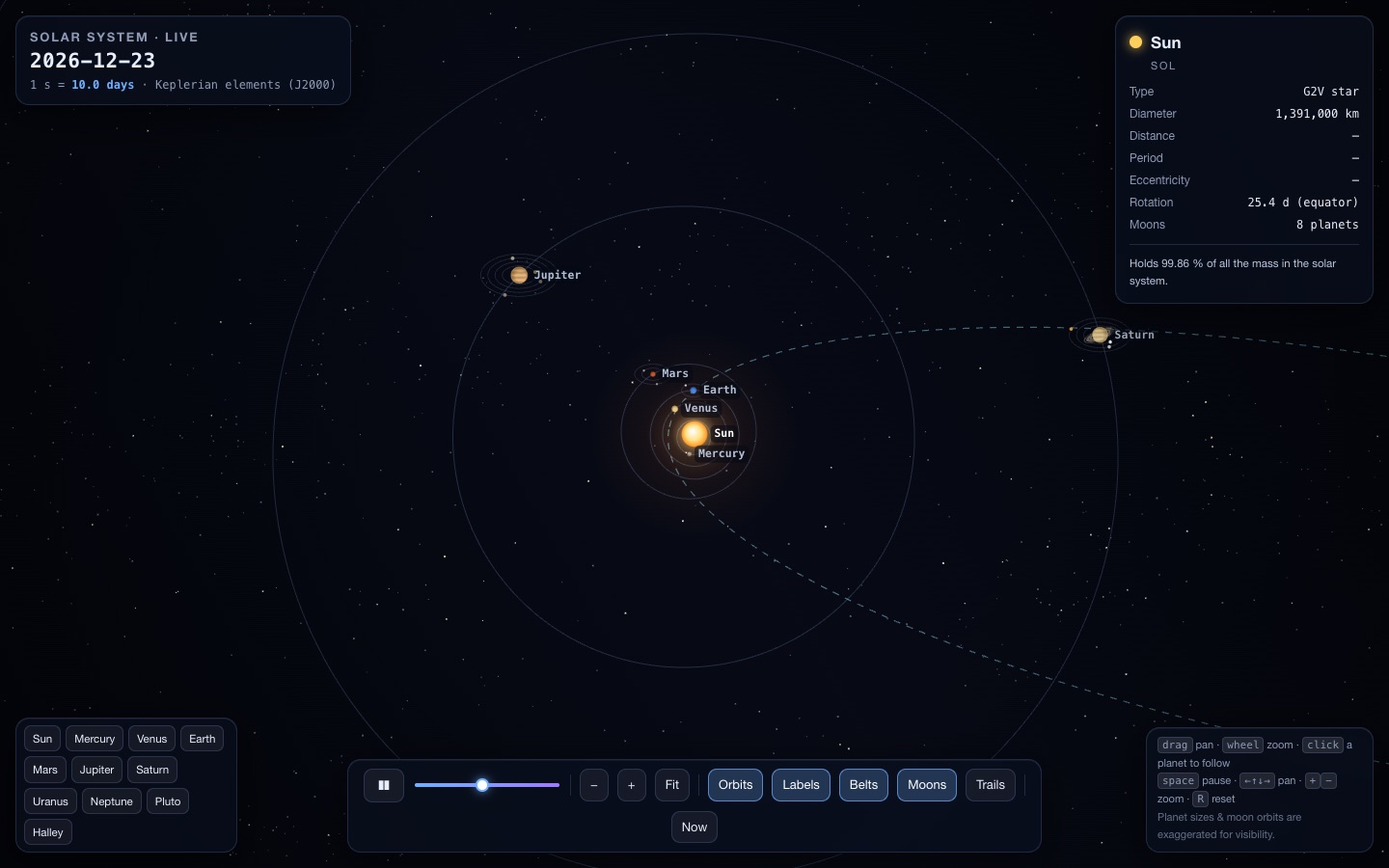
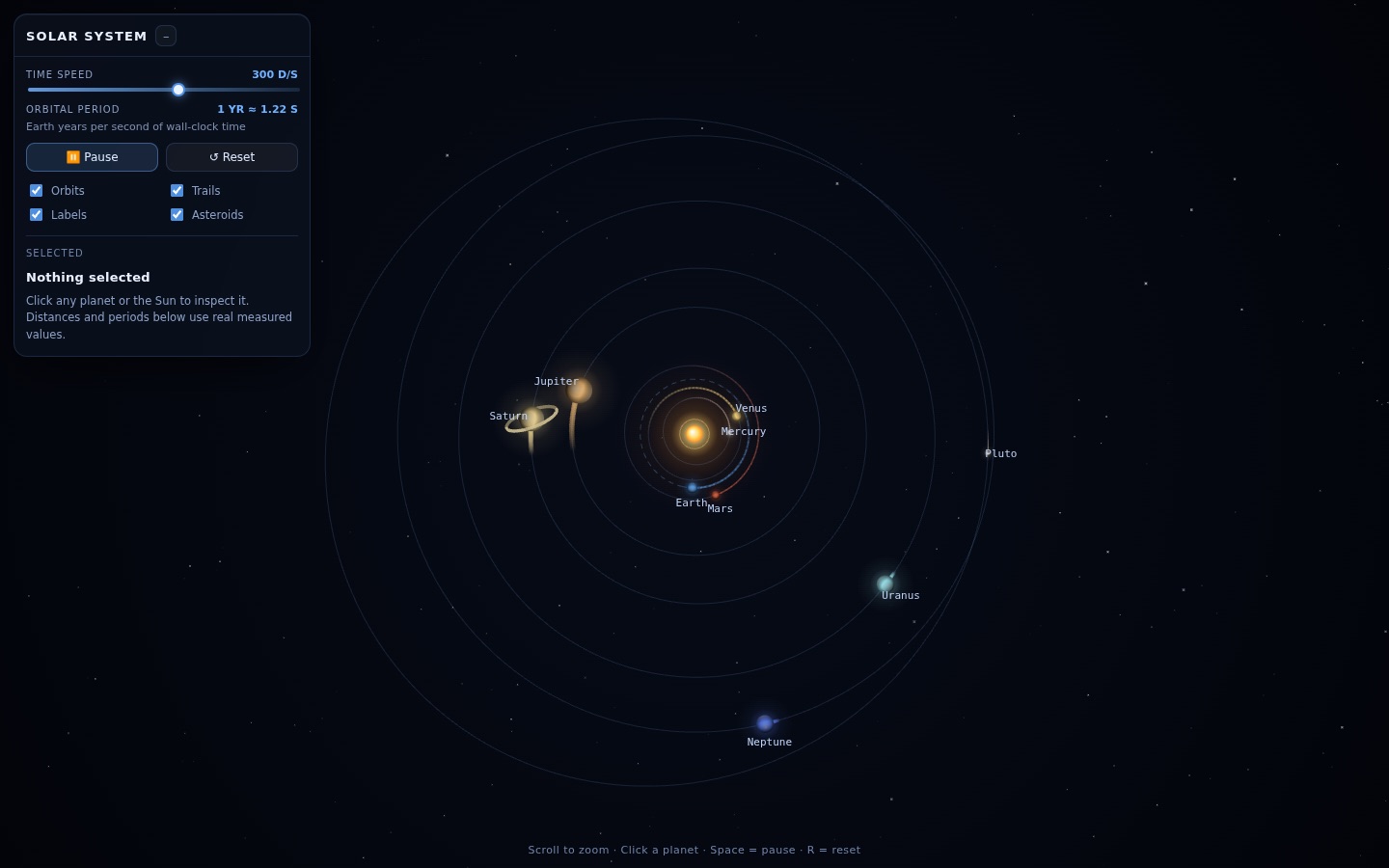
You are a code expert. Please use your professional knowledge to generate accurate, professional responses. Make sure the code you generate is executable for demonstration. Help me write frontend code that simulates the solar system in motion.
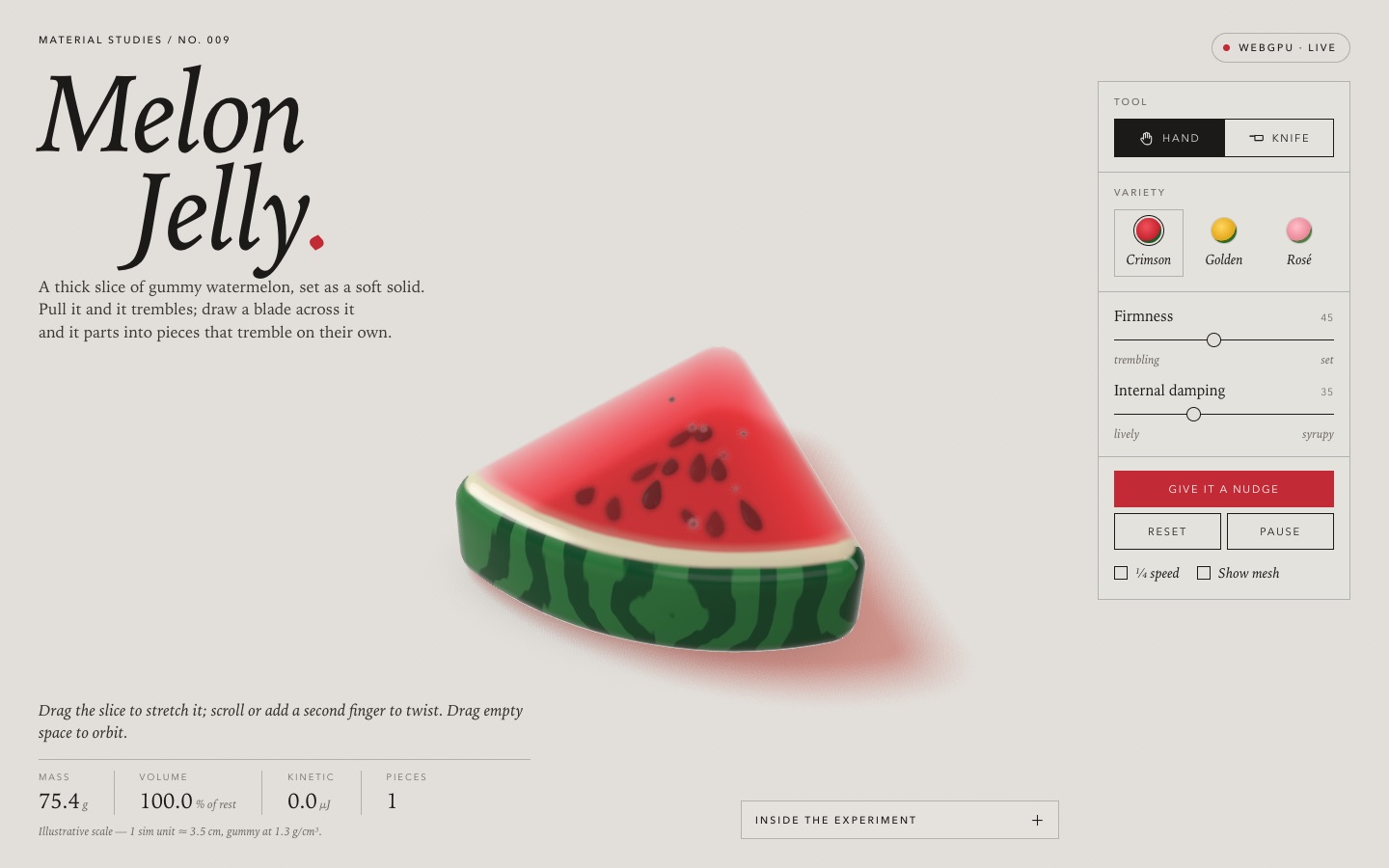
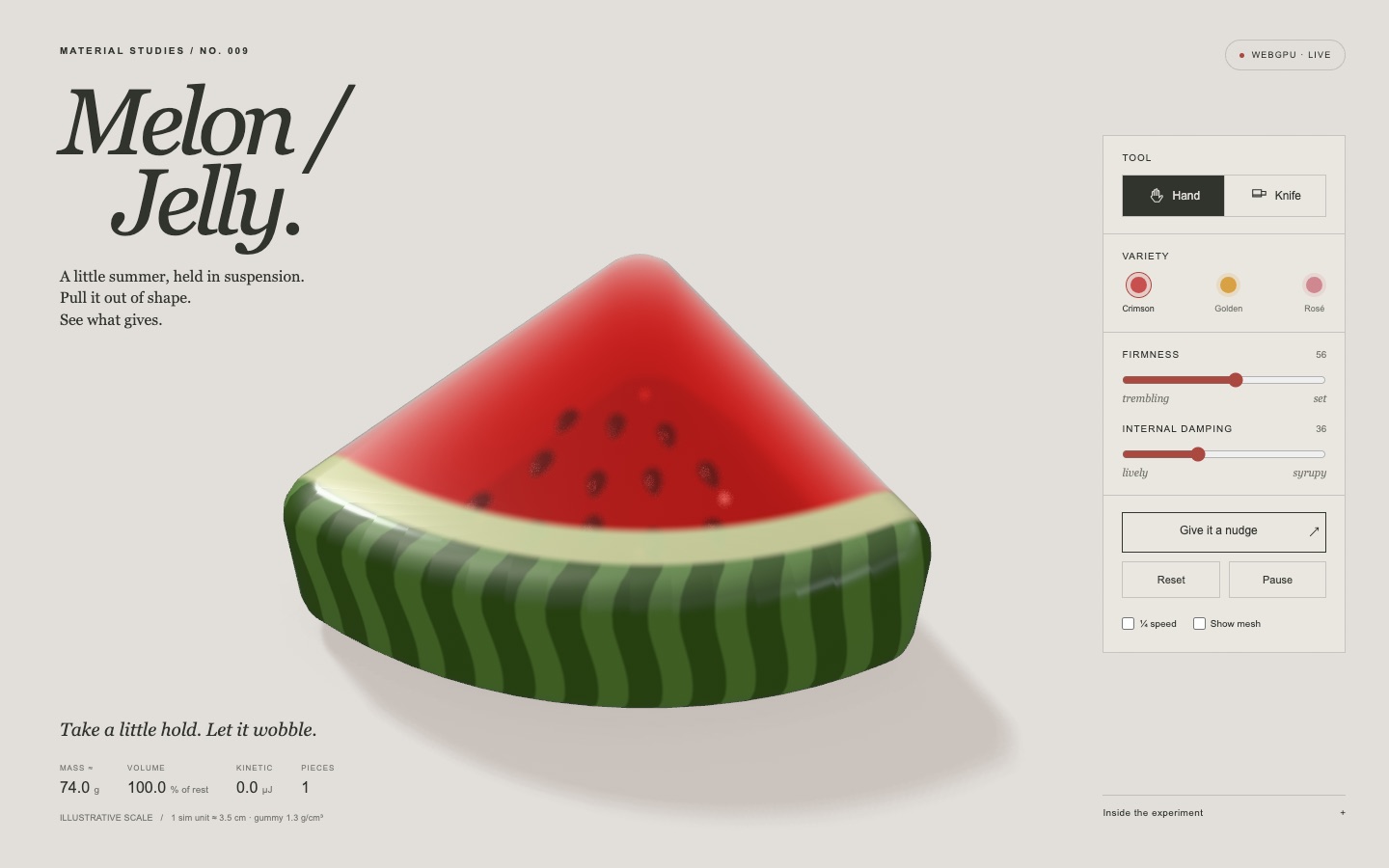
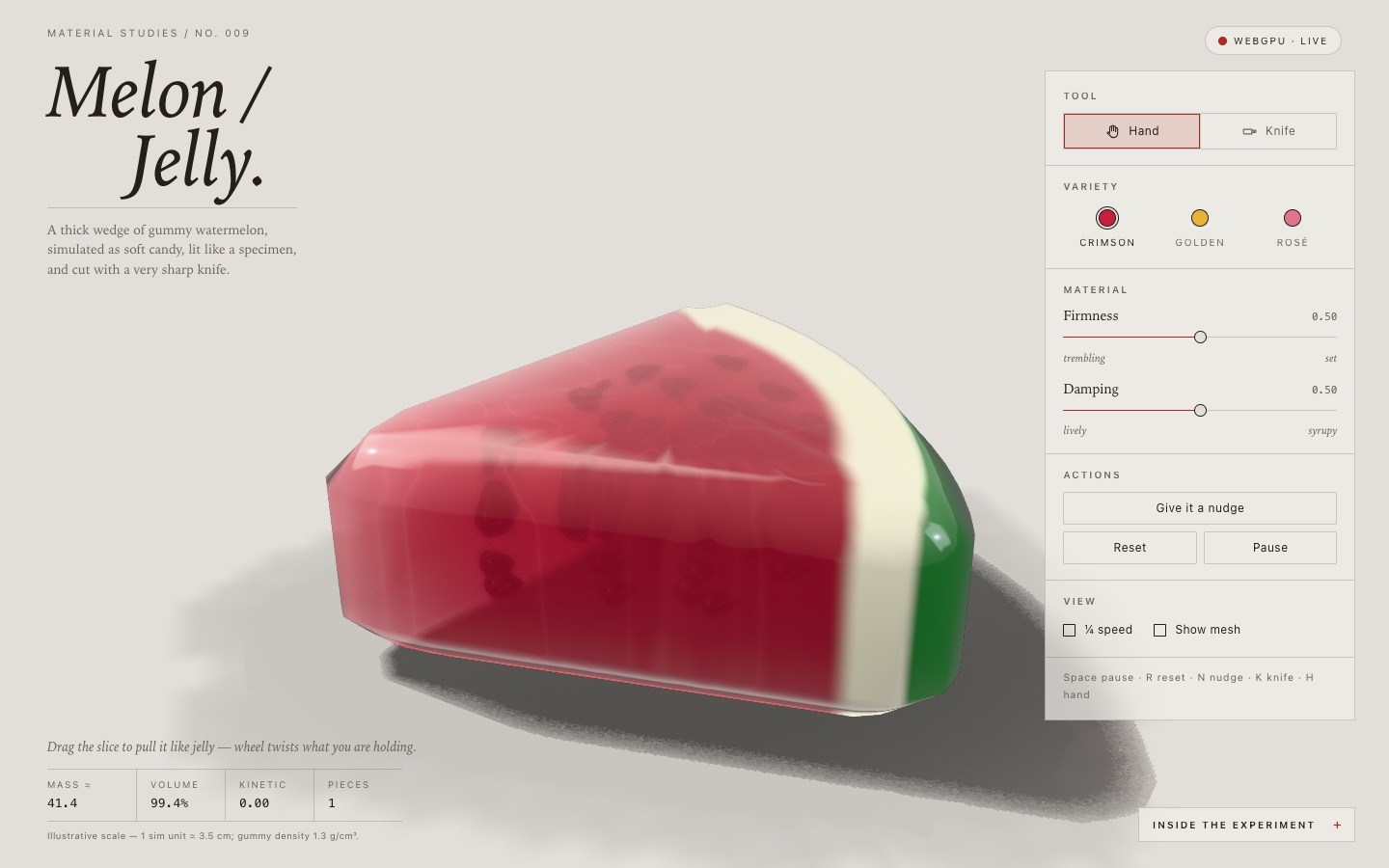
Create "Melon Jelly Knife" — a single self-contained HTML file (melon-jelly-knife.html) with an interactive, physically simulated gummy watermelon slice that you can pull like jelly AND cut into pieces with a visible steel knife that animates every cut.

── Platform ──
- WebGPU + WGSL only, all JS/CSS inline, no external libraries. ES module in one <script type="module">.
- If navigator.gpu / adapter is missing, show an elegant editorial fallback card ("This specimen needs WebGPU.") with a specific explanation — never fake it with a lesser renderer. Disable the controls in that state.
- Recover from device loss (rebuild the renderer up to twice), surface WGSL compile errors via getCompilationInfo.
- Fixed 60 Hz simulation step with an accumulator (max 3 steps/frame), ¼-speed toggle, pause (Space), keyboard: N nudge, R reset, K toggle knife, H hand.

── Page design (editorial "material study") ──
- Warm paper studio backdrop #E2DFDA; the 3D floor is an infinite studio sweep that tones to exactly this colour.
- Top-left masthead: small caps label "MATERIAL STUDIES / NO. 009", huge italic serif title "Melon / Jelly." (second line indented), and a 3-line serif tagline.
- Top-right status pill "WEBGPU · LIVE / PAUSED / UNAVAILABLE".
- Right panel (thin 1px borders, translucent paper): Tool (Hand | Knife segmented buttons with small line icons), Variety swatches (Crimson, Golden, Rosé — each recolours flesh, rind, seeds, shadow tint and the UI accent), sliders Firmness (trembling ↔ set) and Internal damping (lively ↔ syrupy), buttons "Give it a nudge", Reset, Pause, checkboxes ¼ speed and Show mesh.
- Bottom-left: tool hint in italic serif, live readouts row (Mass ≈ g, Volume % of rest, Kinetic µJ, Pieces) with an "illustrative scale" footnote (1 sim unit ≈ 3.5 cm, gummy 1.3 g/cm³).
- Bottom-right collapsible "Inside the experiment" notes explaining the physics, rendering and the cutting method in plain prose.
- A dashed SVG guide line while drawing a knife stroke; small toast messages ("Missed — draw the blade across the slice.", "Too thin to cut there.", "That's plenty of pieces.").
- The camera frames the slice inside the free area between masthead, panel and readouts (lens shift), orbits on empty-space drag, zooms on wheel, double-click resets view, gently follows the slice if it is thrown far.
- Responsive: under ~860px the layout stacks (masthead, canvas ~58vh, hint, panel) with 44px+ touch targets; prefers-reduced-motion softens the intro and damping.

── The slice ──
- A thick (T ≈ 0.58) wedge of watermelon: sector with ~32° half-angle, inner radius ~1.62, all corners rounded in plane (ρ = 0.17) and top/bottom edges bevelled (~0.13).
- Layers by depth from the rind: dark green skin with irregular darker stripes, a pale cream-green band, then translucent red flesh; black teardrop seeds arranged in arcs and a few tiny air bubbles suspended inside.
- Rendered as translucent candy: screen-space refraction of the scene behind, per-pixel thickness from a back-face depth pass, Beer–Lambert absorption per refracted tap (capped by back thickness so seeds don't halo), jittered blur, subsurface-like scatter and glow toward the key light, Fresnel + GGX highlights, soft studio environment (procedural softboxes).
- Floor: PCSS-lite soft shadow from a key light behind-left-above (shadow tinted by the flesh colour), contact AO from a top-down height map. MSAA ×4, HDR, PBR-Neutral tone mapping, sRGB, dither.

── Physics (feels like real gummy candy) ──
- Tetrahedral soft body (Delaunay of a jittered lattice inside the shape), XPBD with small steps (~10 substeps, 1 iteration each):
  • co-rotational per-tet shape matching (mass-weighted covariance, Müller quaternion rotation extraction, uniform stiffness fraction) — no inversions, no ghost torque;
  • per-tet volume constraints (near-incompressible);
  • edge relative-velocity damping controlled by the damping slider; firmness maps to shape compliance on a log scale;
  • floor contact with static/kinetic friction, light air drag, settle-damping when nearly at rest, speed cap, NaN guard with gentle reset.
- Hand tool: grab anywhere (ray pick on the skinned surface, forgiving screen-space fallback), soft patch attachment (radius ~0.4) that follows the pointer on a camera-facing plane, reach limit, never pushed into the floor; wheel or a second finger twists the held patch. Nudge = a playful impulse. Reset drops the whole slice again.
- Render mesh is skinned to the tets by barycentric embedding; normals recomputed each frame.

── Cutting into pieces ──
- The world is a list of pieces. Each piece is a convex polygon I in the slice's rest plane; its outline is I dilated by a disk of radius ρ (rounded corners), extruded to the slice thickness with the same bevels, rind layers, seeds and bubbles (seeds/bubbles kept only where they fit inside).
- A cut maps a world plane into each crossed piece's rest frame (best-fit rigid frame of the deformed piece), intersects it with the mid-plane → a straight line; clip I into two halves offset by ±ρ so both rebuilt outlines meet exactly at the cut; reject slivers ("too thin").
- All pieces are concatenated into ONE simulation (component id per particle) and ONE render mesh; each piece is its own soft body you can grab, stretch and cut again; pieces collide with each other (AABB-pruned particle–particle pushes, a few mm per pass so fresh faces ease apart instead of popping). Max 14 pieces. Built meshes are cached per piece so Reset is instant.
- State transfer on every rebuild: new rest particles are embedded in the old tets and take over interpolated positions and velocities.

── The visible knife (the star of this version) ──
- A small nakiri-style vegetable knife modelled procedurally: rectangular blade (length ~1.72, height ~0.63 — taller than the slice), straight edge with a slight lift and rounded nose at the front, thin ground bevel along the edge, flat grind to a ~0.03 spine, sharp creases (duplicated vertices), polished steel bolster, oval walnut handle that swells slightly with three steel rivets and flat end caps. Local frame: +x toward the tip, edge on y=0.
- Materials in the scene shader: brushed steel with a product-shot gradient (dark board reflected low, bright sweep high), softbox streaks, satin lighter bevel, mirror bolster; walnut with straight grain, satin oil sheen, rivets. Posed rigidly on the CPU each frame.
- The knife is drawn in the scene pass (behind the jelly surface), so the part buried in the jelly is seen refracted through it; it casts a shadow but stays out of the AO height map.
- Behaviour:
  • Hover (knife tool): the knife floats ~0.42 above the slice with its edge exactly under the cursor, blade side-on to the camera, slightly rolled toward the viewer; it drops in from above when the tool is selected; hidden in hand mode.
  • While drawing: it lines up along the stroke, edge just above the jelly, handle always on the left (canonical direction relative to camera right).
  • On release: the stroke read on the surface it was drawn over defines a VERTICAL blade plane; the split is planned and the new pieces + new soft body are pre-built immediately (so the swap later costs only ~10 ms and there is no hitch mid-animation).
  • Choreography (~1.1 s, respects ¼ speed and pause): align (0.16 s) → press: the edge sinks ~0.13 below the top and a physical collider pushes the jelly into a rounded groove under it — it squashes before it gives (to 0.42 s) → break-through: the new world is swapped in, the blade continues to the board while a wedge collider eases the two new faces apart (limited to a few mm per substep, gap growing with depth) and holds the cut lips down at the break-through depth → short hold → lift back to hover, releasing the lips so they spring back with a jiggle.
  • Misses show a toast and the knife stays put; new strokes are ignored while a cut is animating; Reset cancels it.

── Quality bar ──
- Smooth 60 fps on a mid-range laptop GPU; no allocations in the frame loop except on cuts.
- Deterministic test hook on window (e.g. __melon with sim, camera, pick, planCut, startCut, advance(seconds), per-piece stats) so the animation can be stepped and screenshotted.
- Polished, calm, museum-like typography; everything readable on phone and desktop.
从 ArtifactsBench 的 10 个大类里各取几道,共 30 道。每道题三份作品:MaxWell-FE-03 用 Claude Code 多轮做的,Claude Fable 5.1 一次写完的,DeepSeek V4.1 Flash 用 Claude Code 多轮做的。slop 分是 designlang 对 AI 设计套路的打分,0 分最好。
2.1 游戏类的 3 道题
游戏,Puzzle,第 1360 题
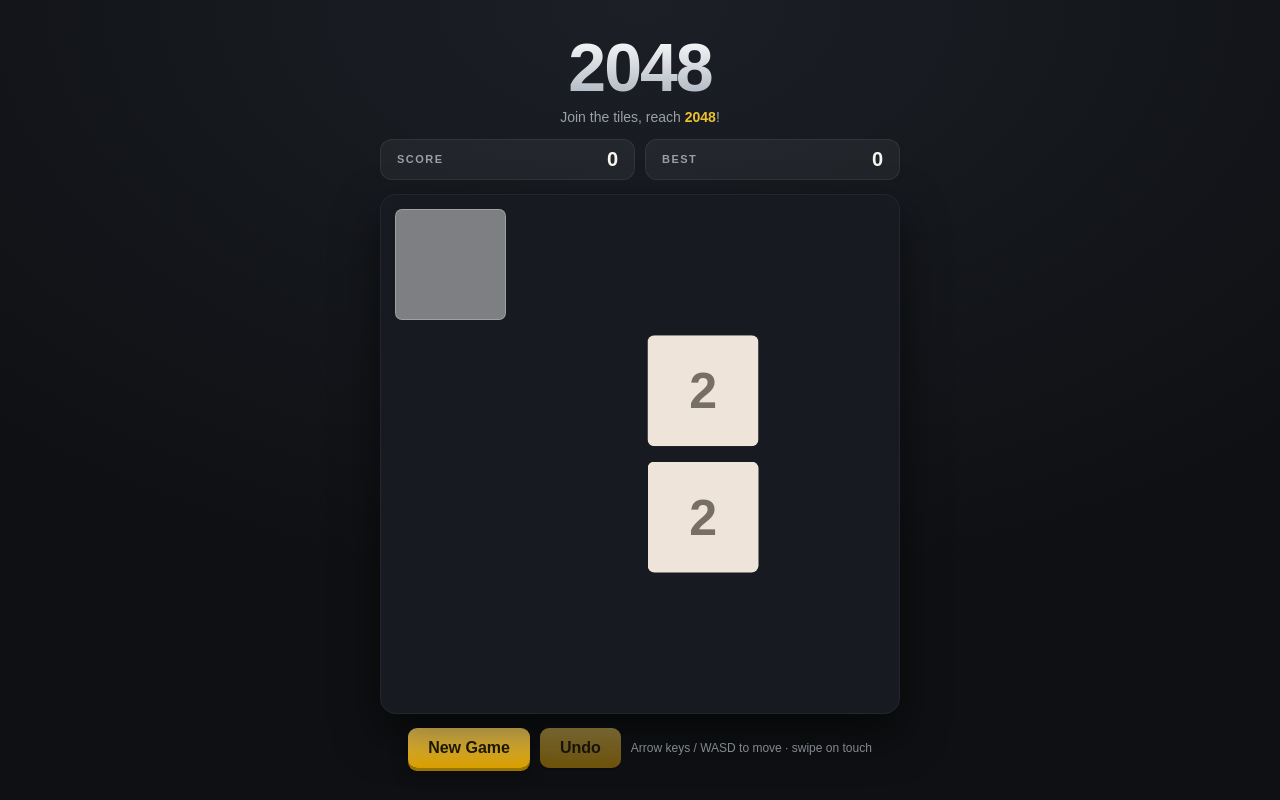
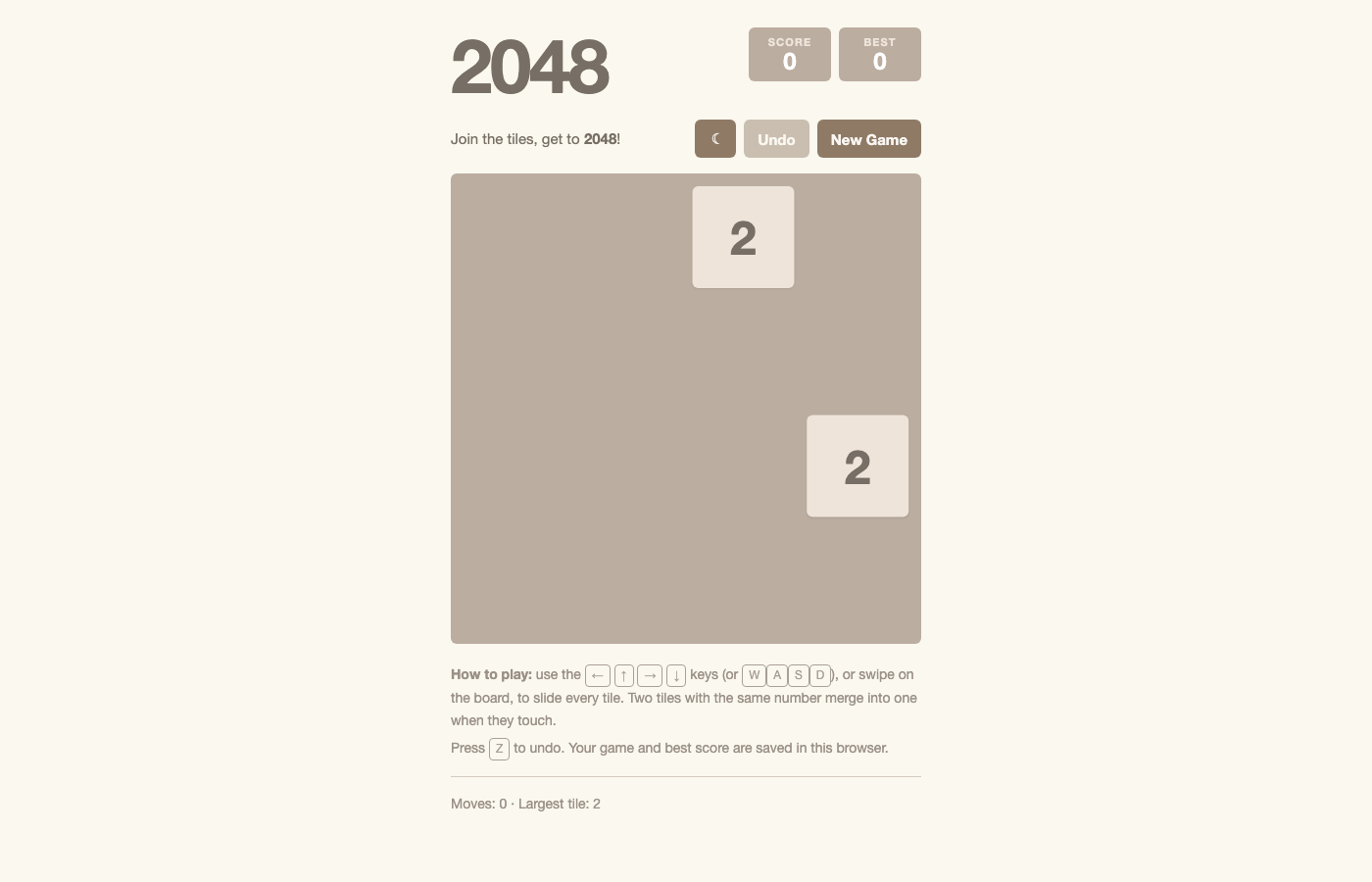
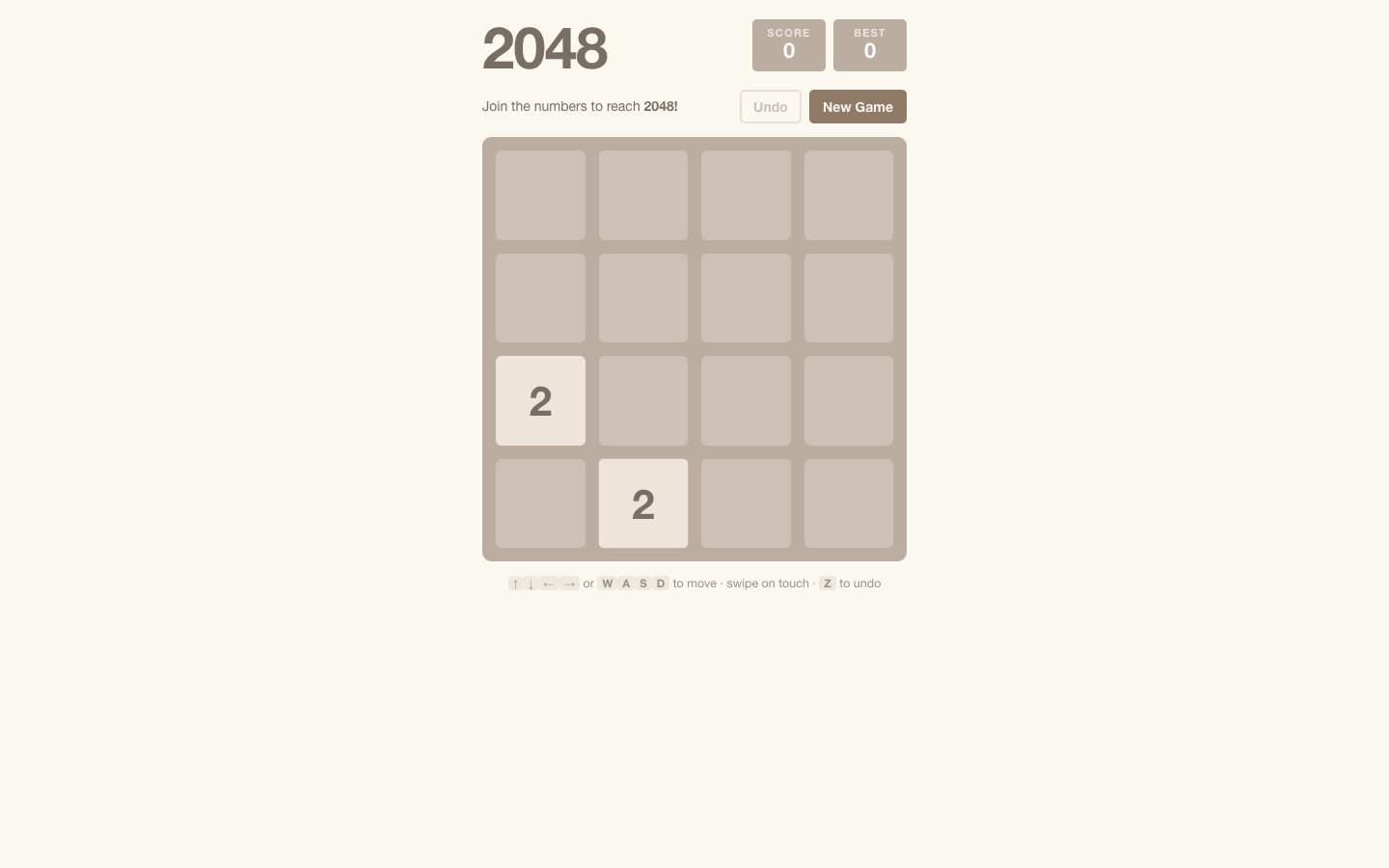
You are a coding expert. Please use your professional knowledge to generate accurate and professional responses. Make sure the code you provide is executable for demonstration. Help me write a 2048 game.
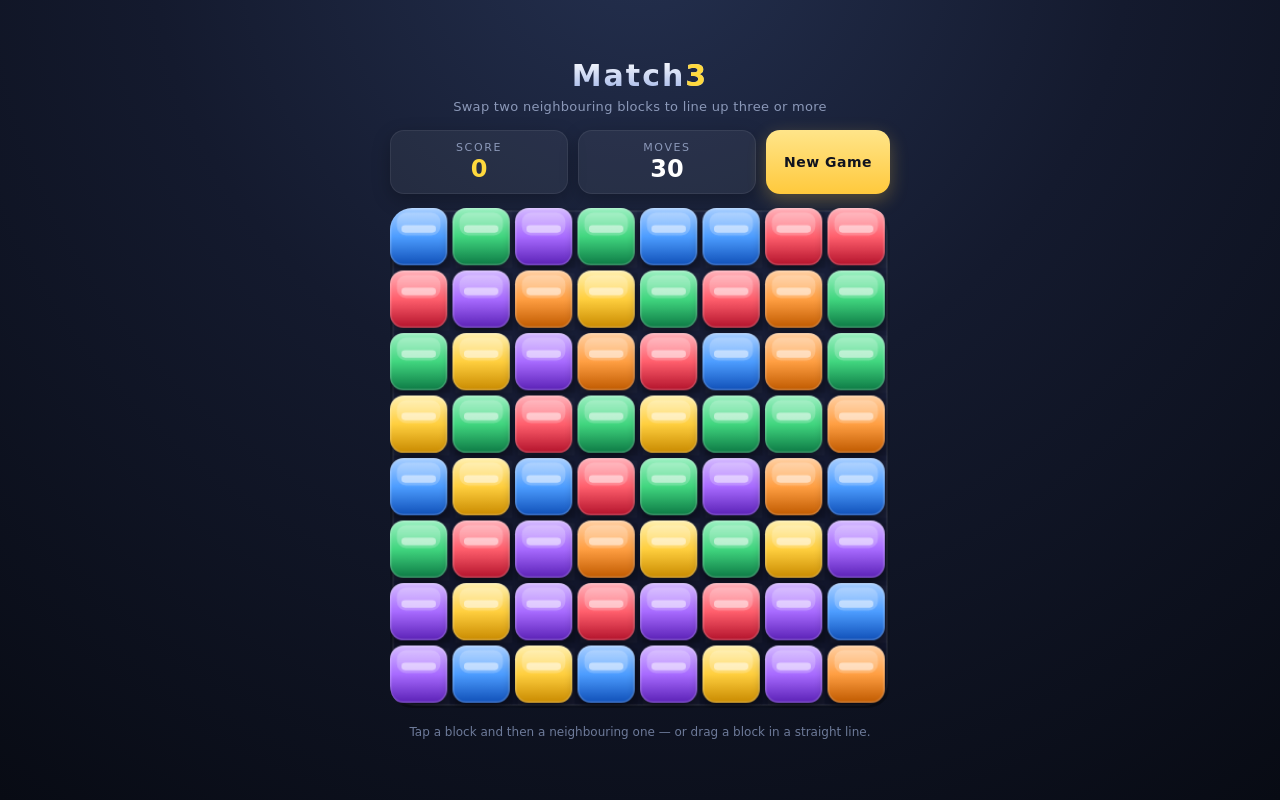
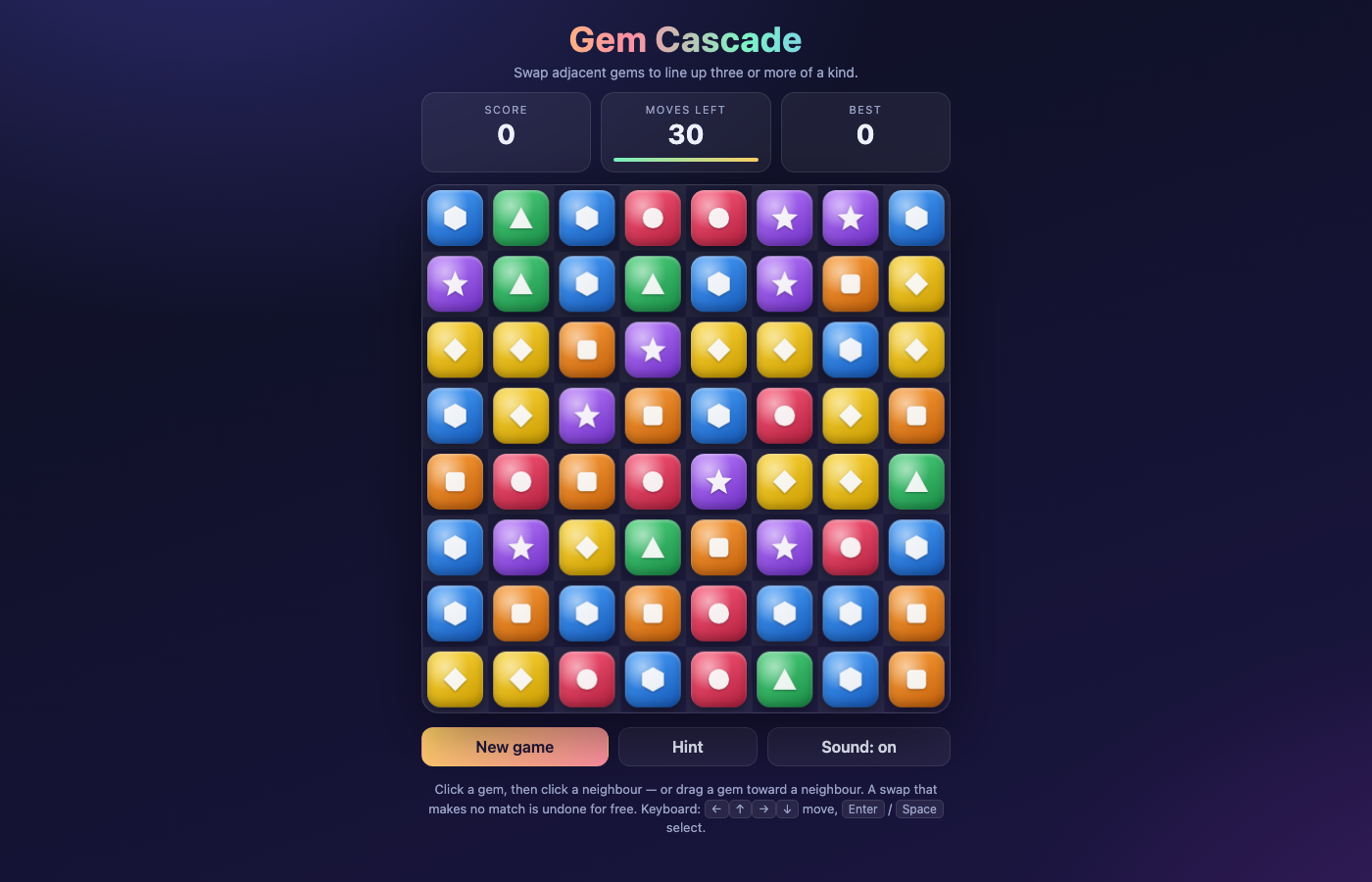
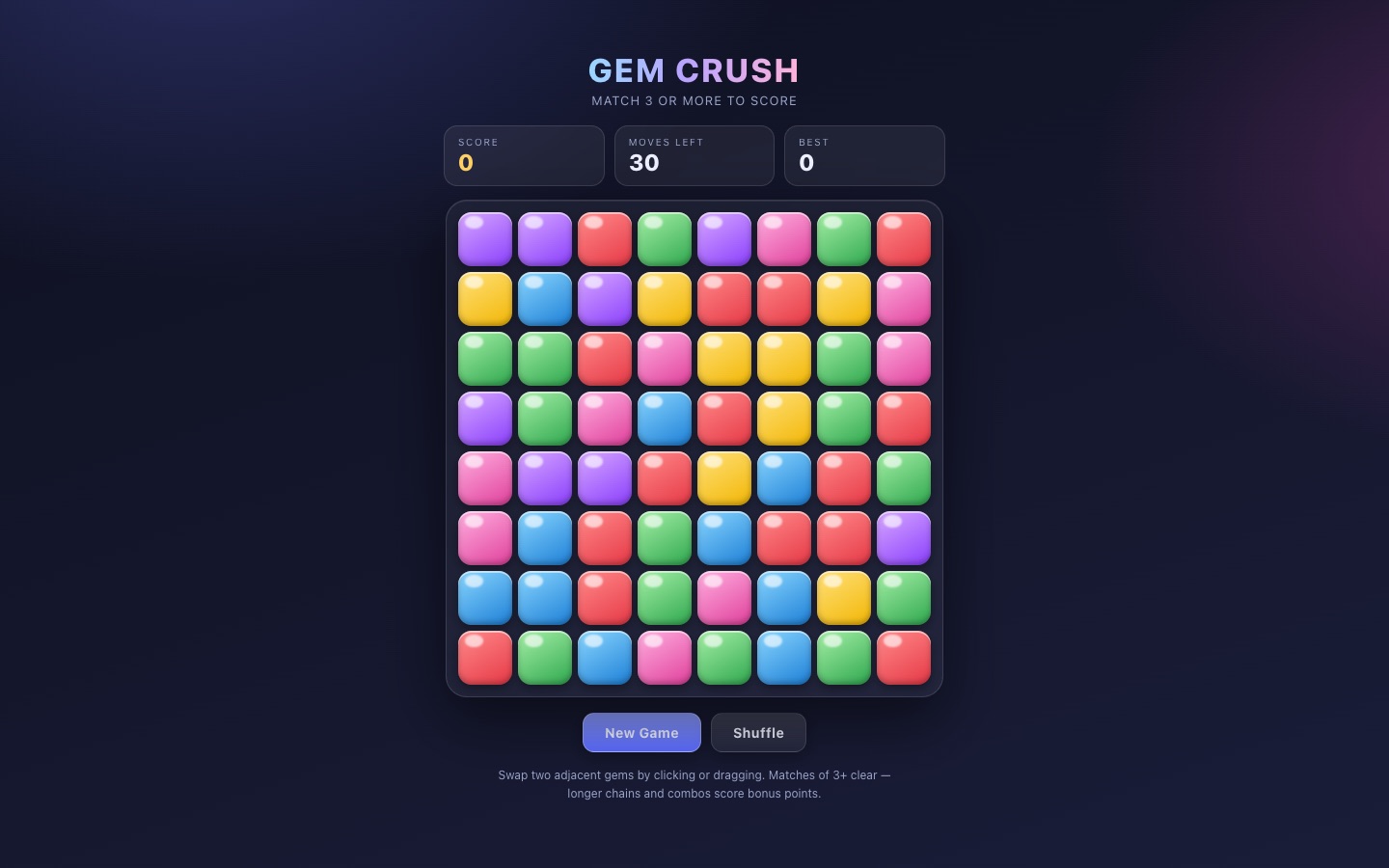
You are a code expert. Please use your professional knowledge to generate accurate and professional responses. Make sure the code you produce is executable. Design a match-3 game with an 8x8 grid that randomly generates different colored blocks. Users can swap adjacent blocks to form matches of three or more of the same color. After elimination, blocks from above will fall to fill the gaps. Display the score and remaining moves.
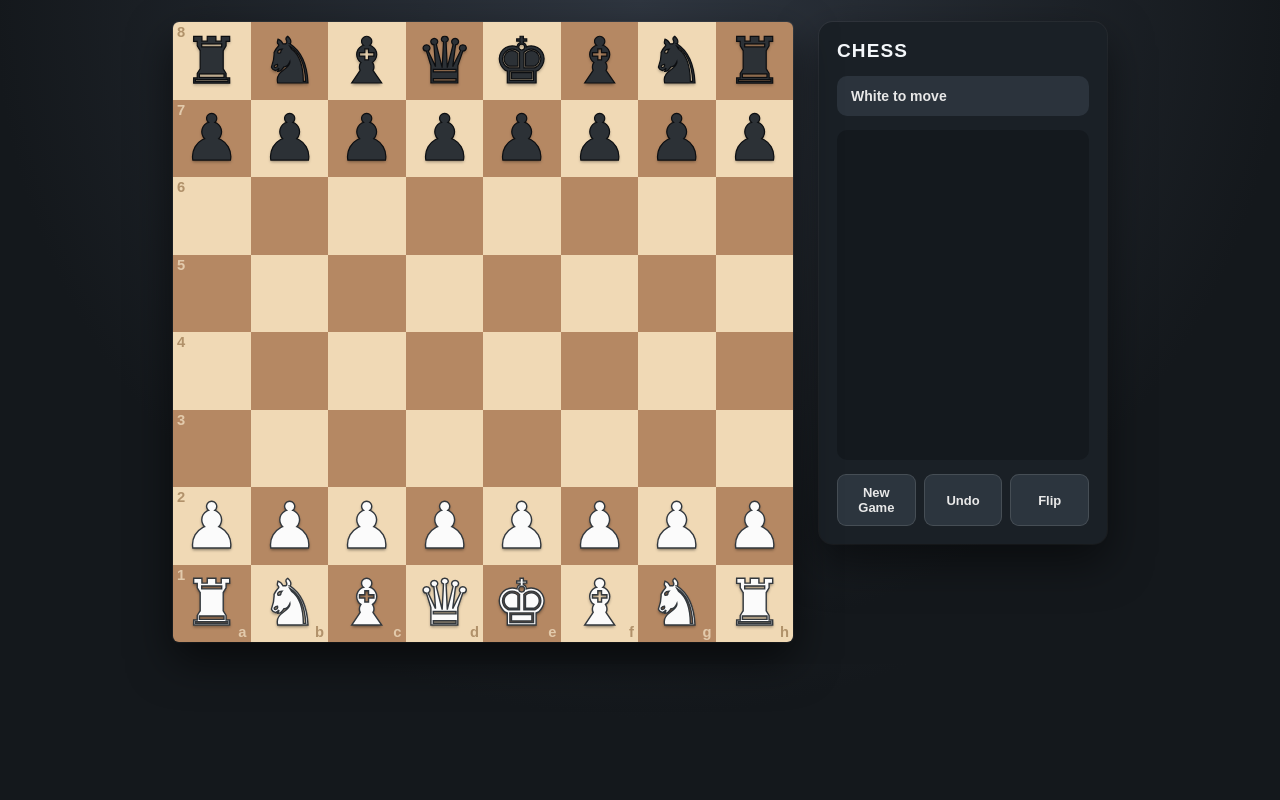
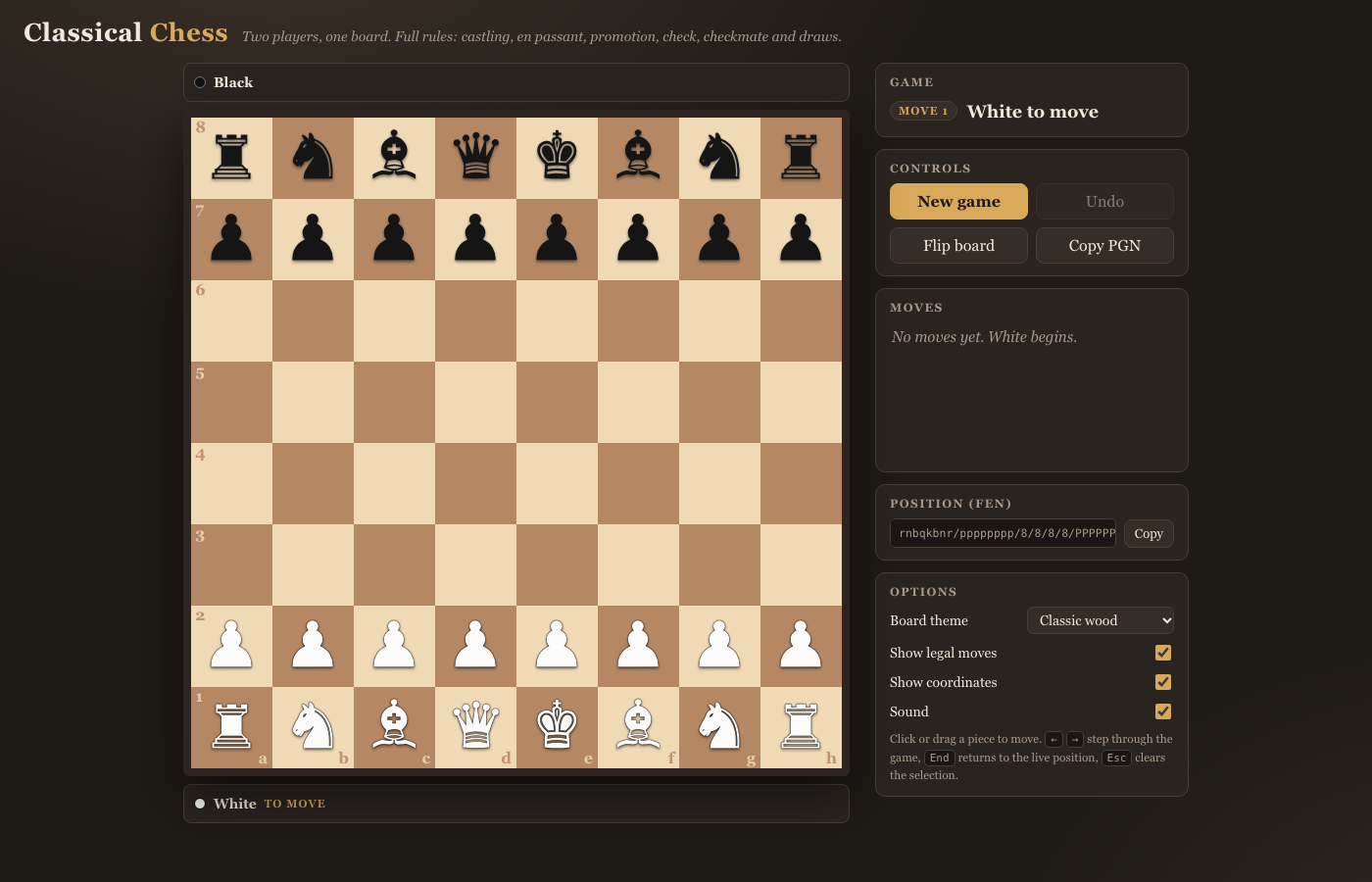
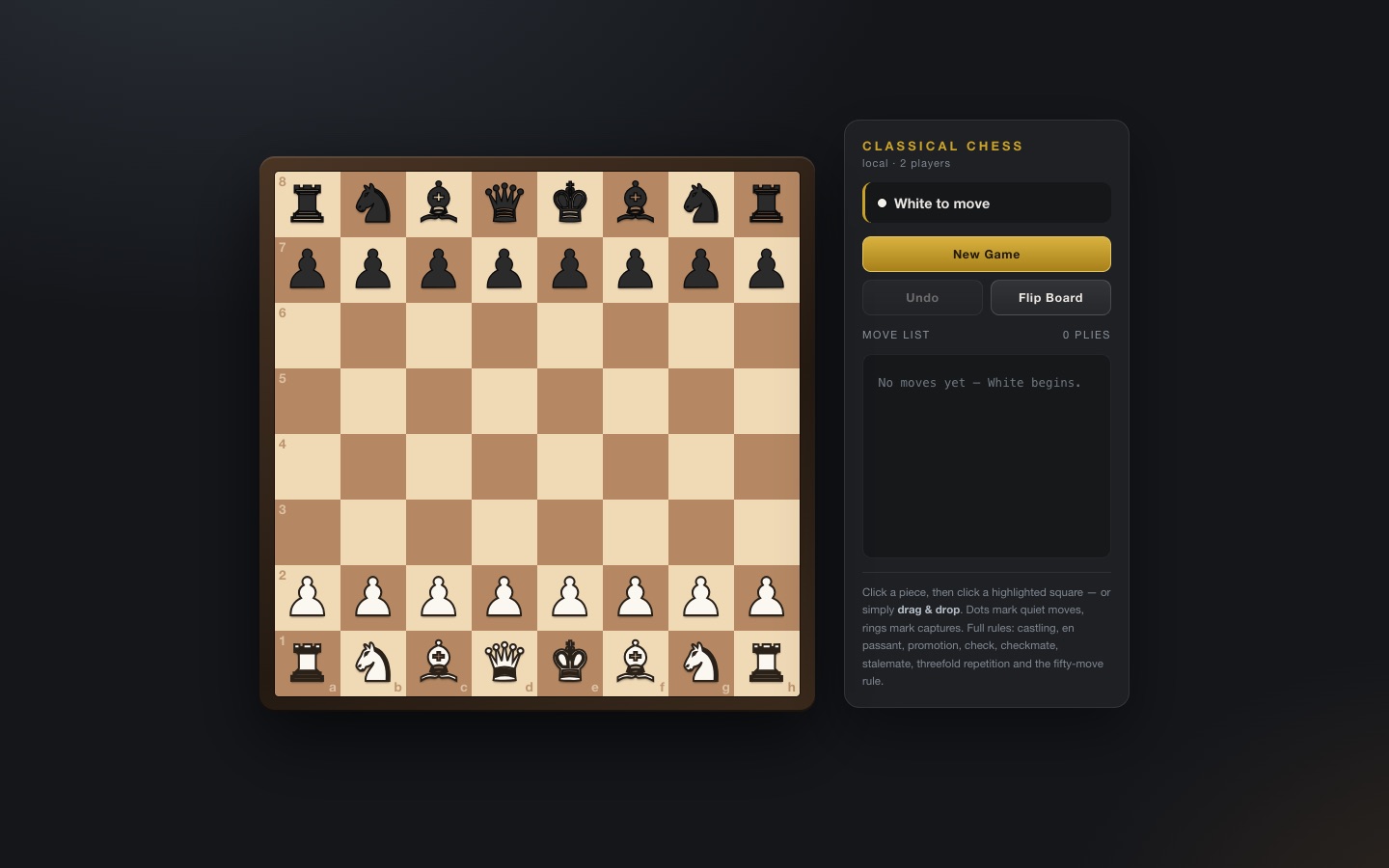
You are a code expert. Please use your professional knowledge to generate accurate and professional responses. Be sure to ensure that the code you generate is executable for demonstration. Create a classical chess board in HTML format that can be run directly.
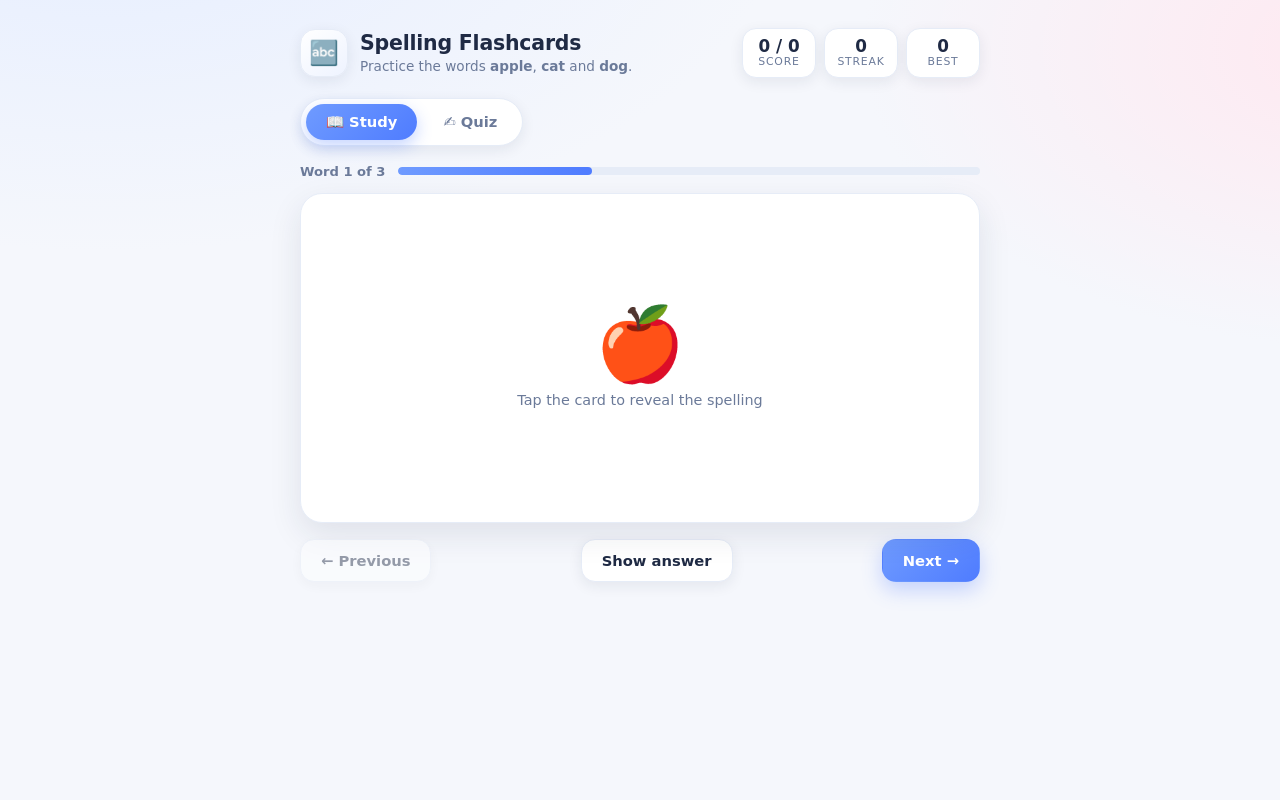
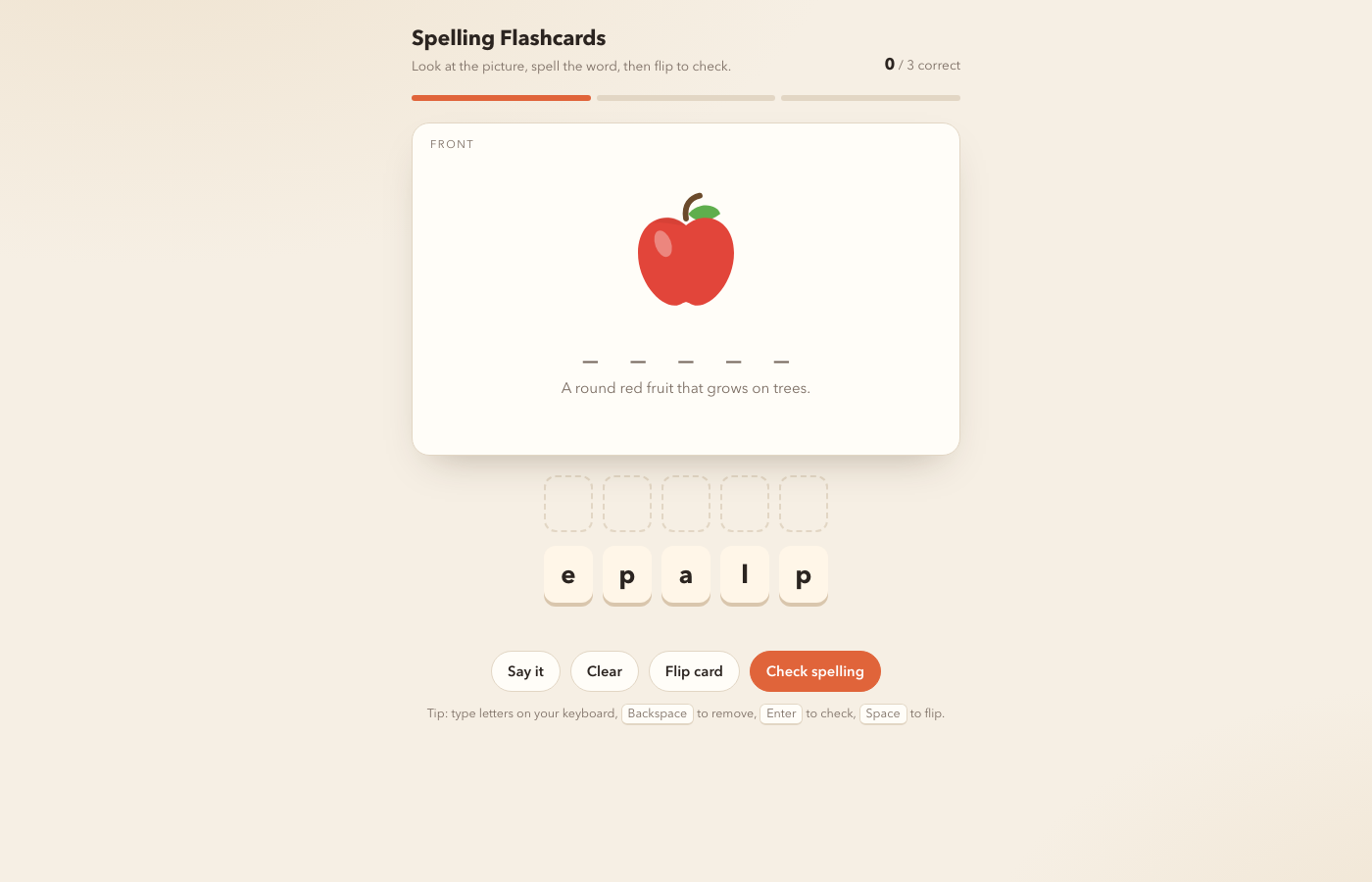
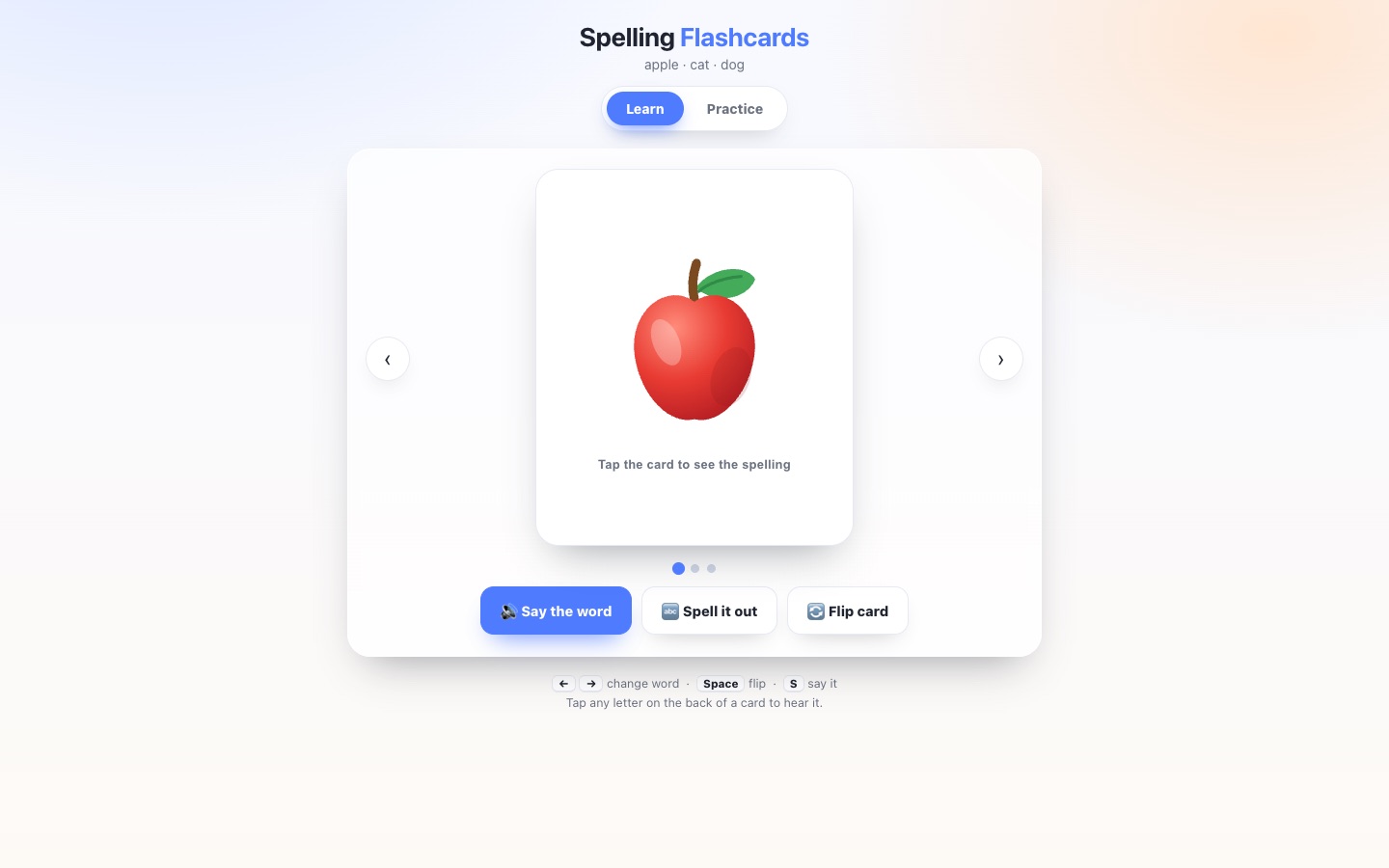
You are a code expert. Please use your professional knowledge to generate accurate, professional responses. Be sure to ensure that the code you generate is executable for demonstration. Please help me create code for spelling flashcards for the words "apple," "cat," and "dog.
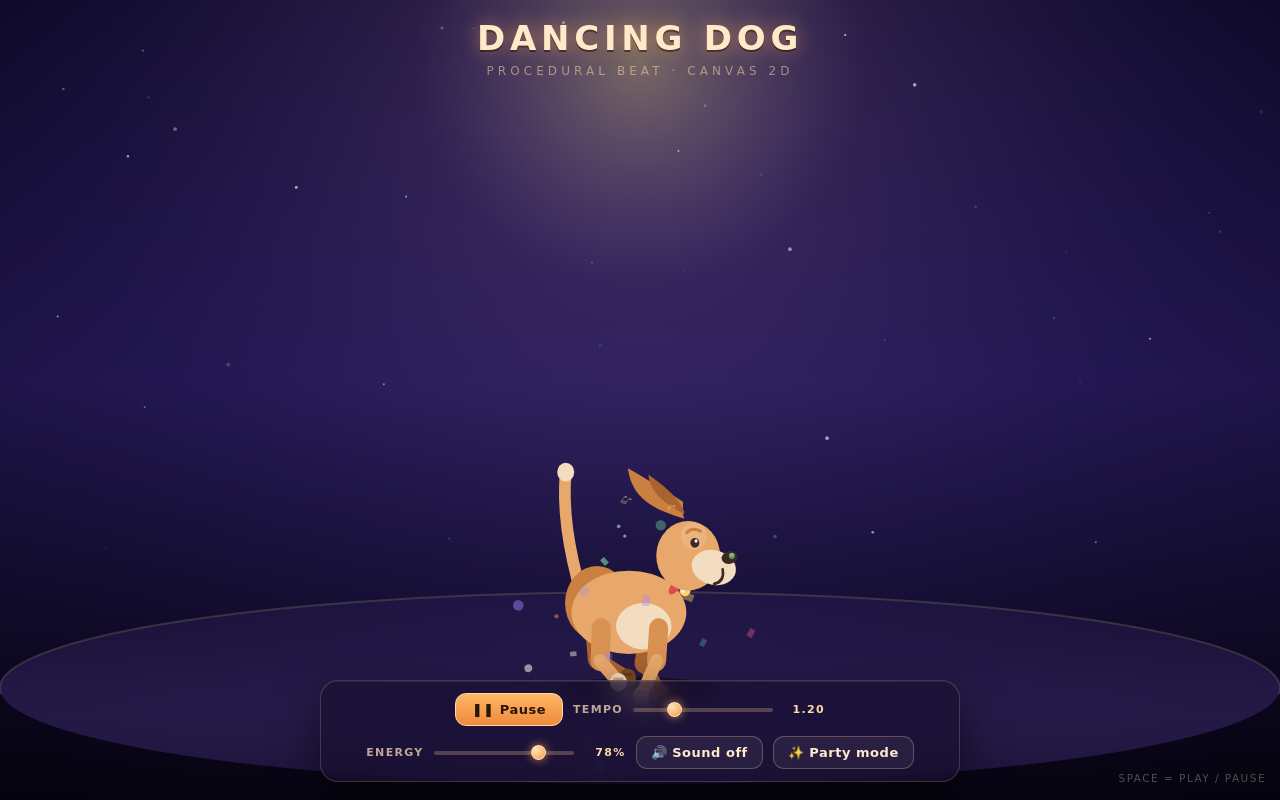
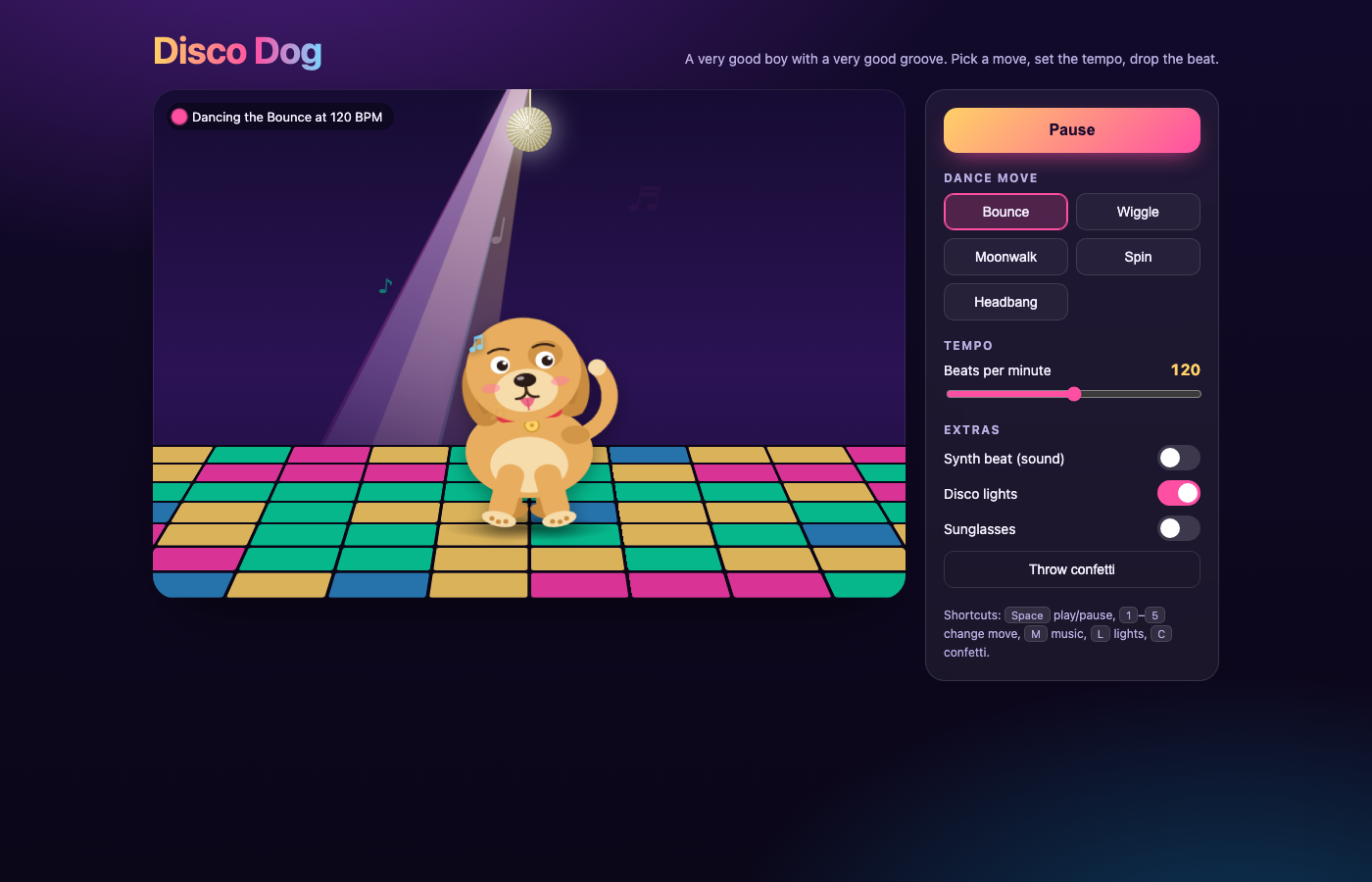
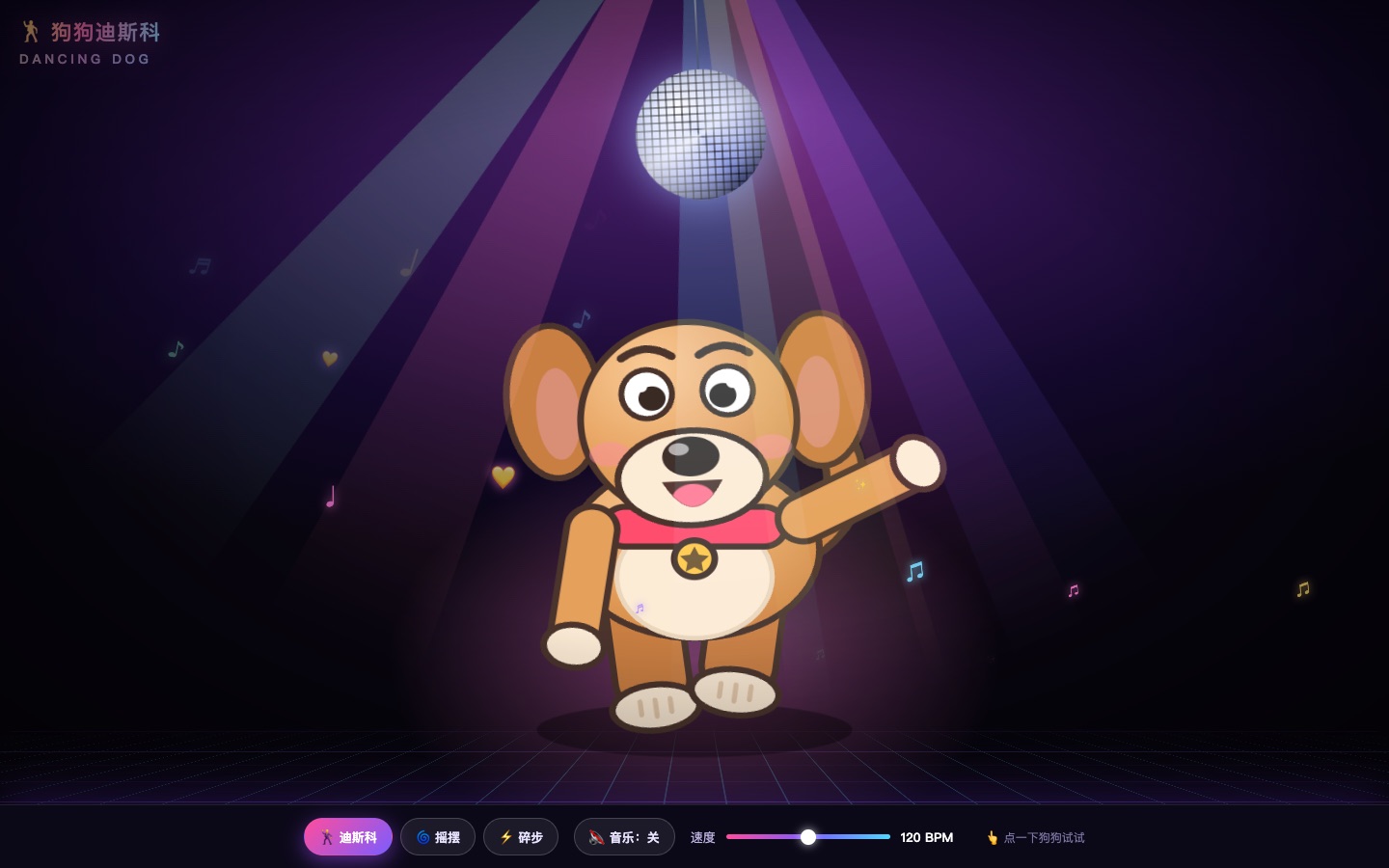
You are a coding expert. Please use your professional knowledge to generate accurate and professional responses. Be sure to ensure that the generated code is executable for display. Generate webpage code showing a dancing dog.
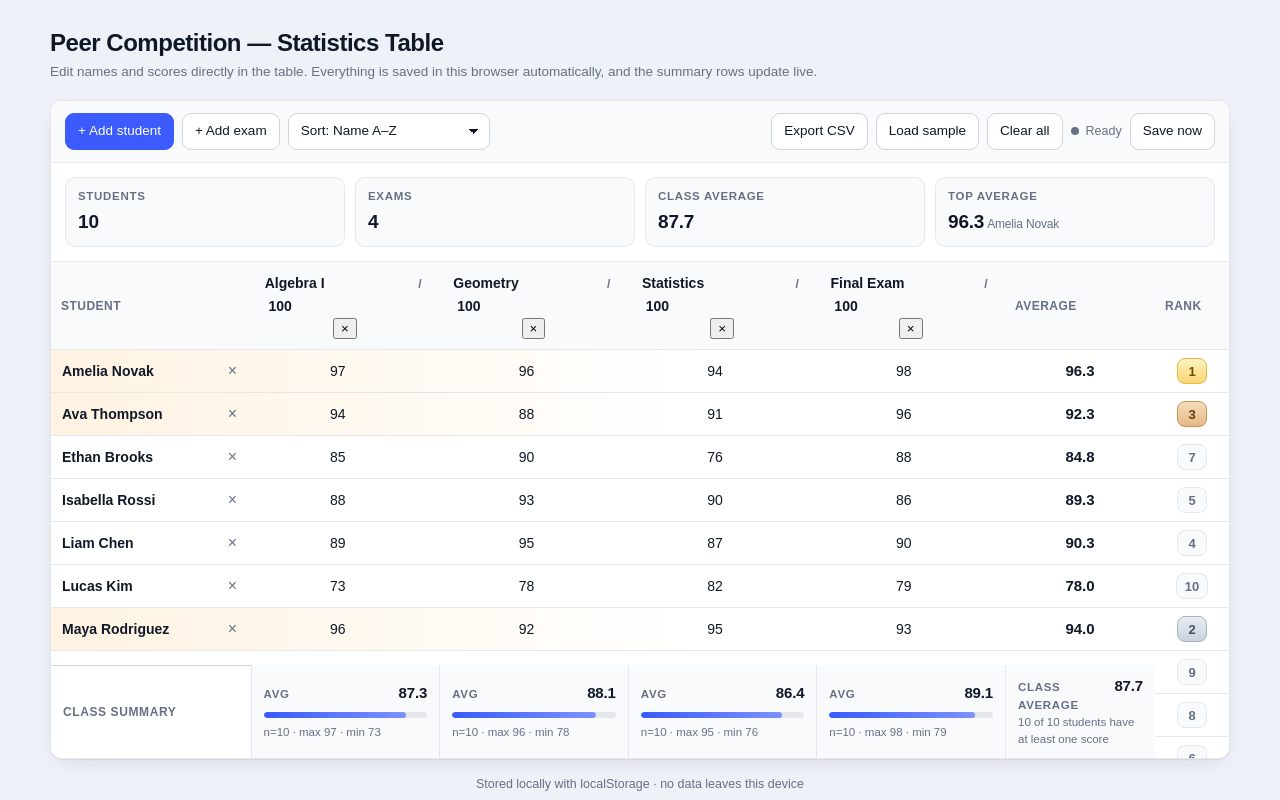
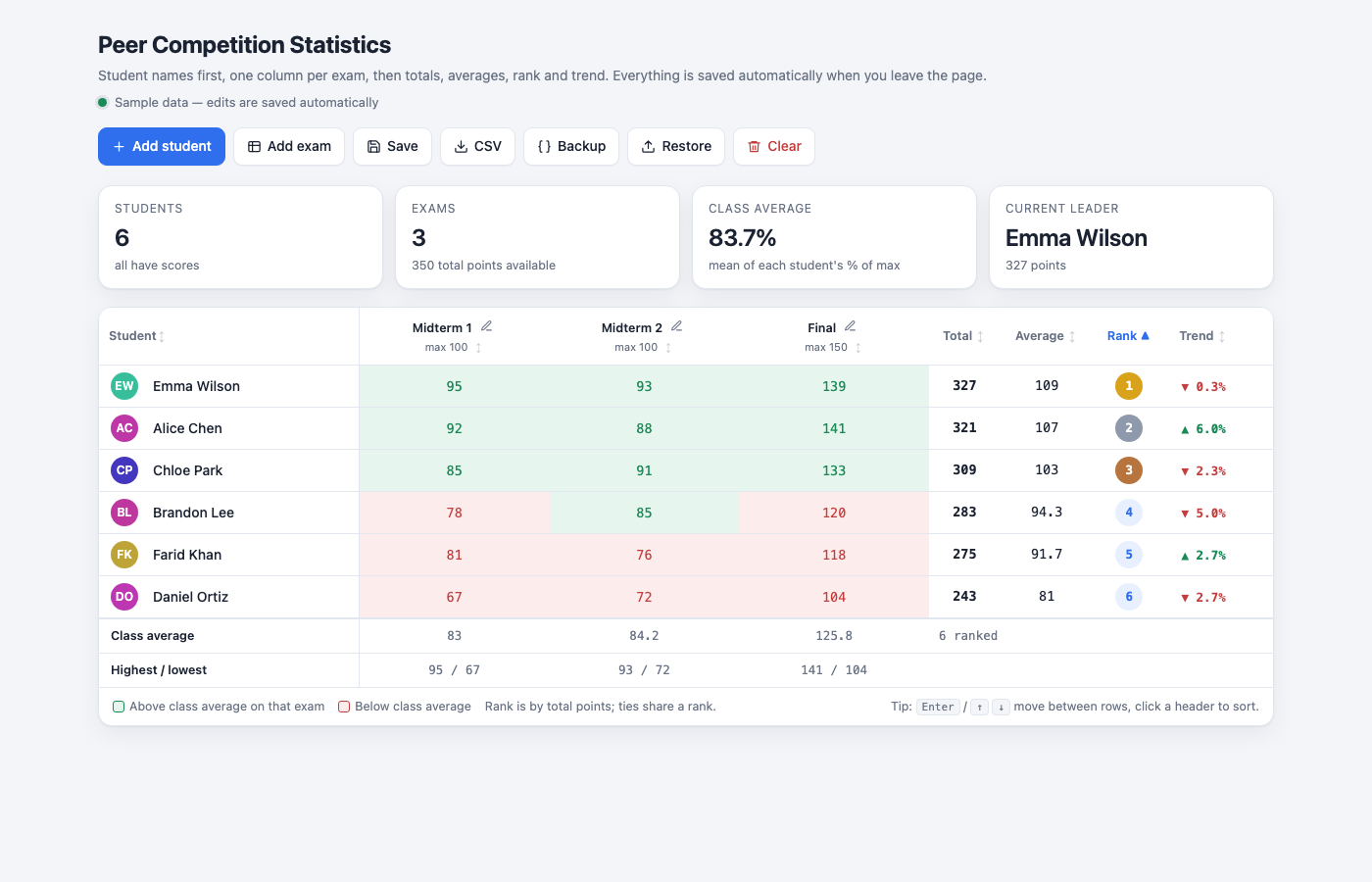
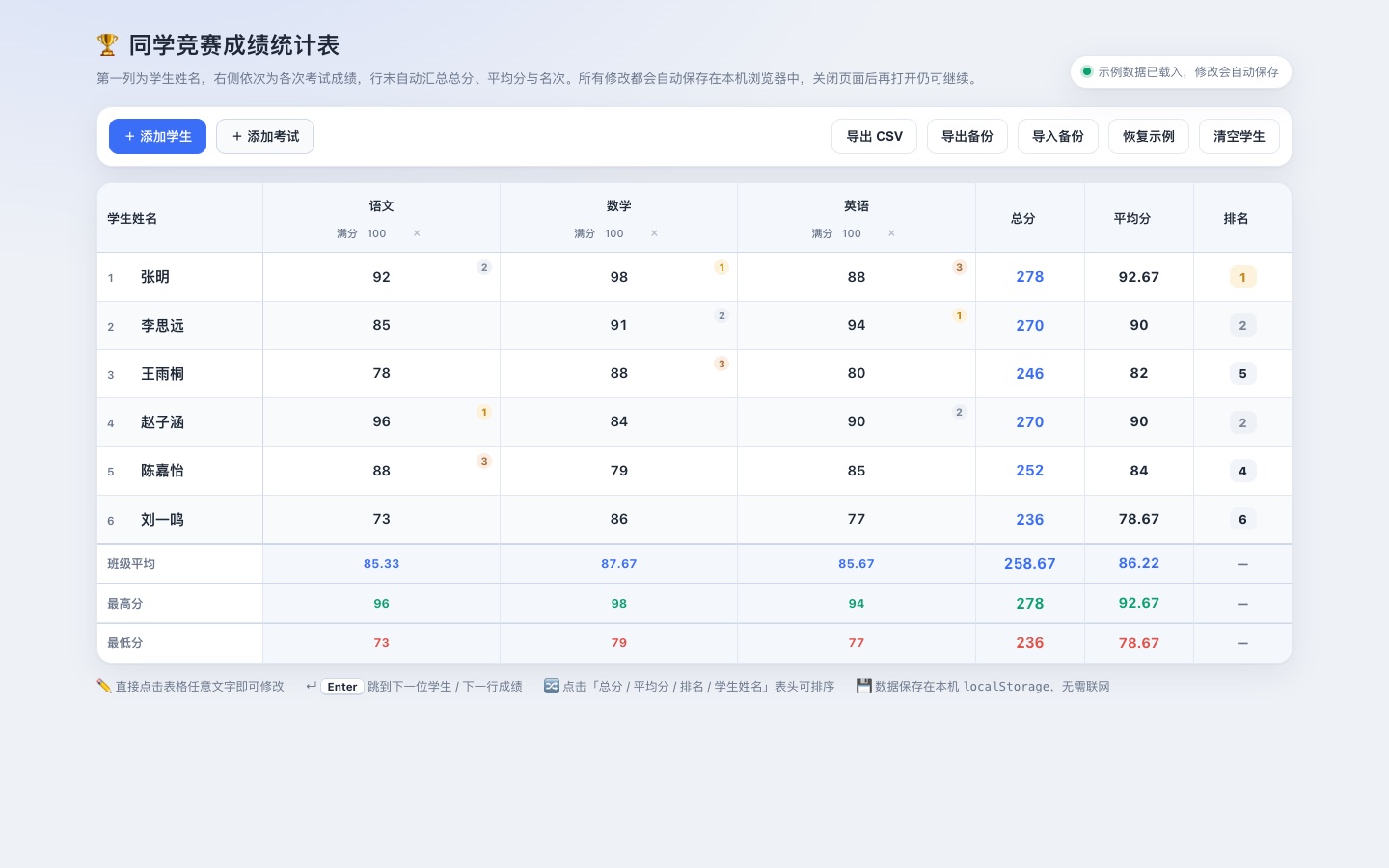
You are a code expert. Please use your professional knowledge to generate accurate and professional responses. Make sure the code you generate is executable for demonstration. Please help me create a webpage for a peer competition statistics table. It should display student names at the beginning, followed by statistics for each exam, and have the capability to save data when closed.
还有一处点了才会出的错。Maxwell 的 Ctrl 加 S 快捷键里调用了一个没有定义的函数 flashStatus(832 行),保存本身在上一行已经完成,但控制台会报错。这一条是按源码看出来的,没有实际运行。
2.3 管理系统类的 3 道题
管理系统,Frontend/Backend Platforms,第 1655 题
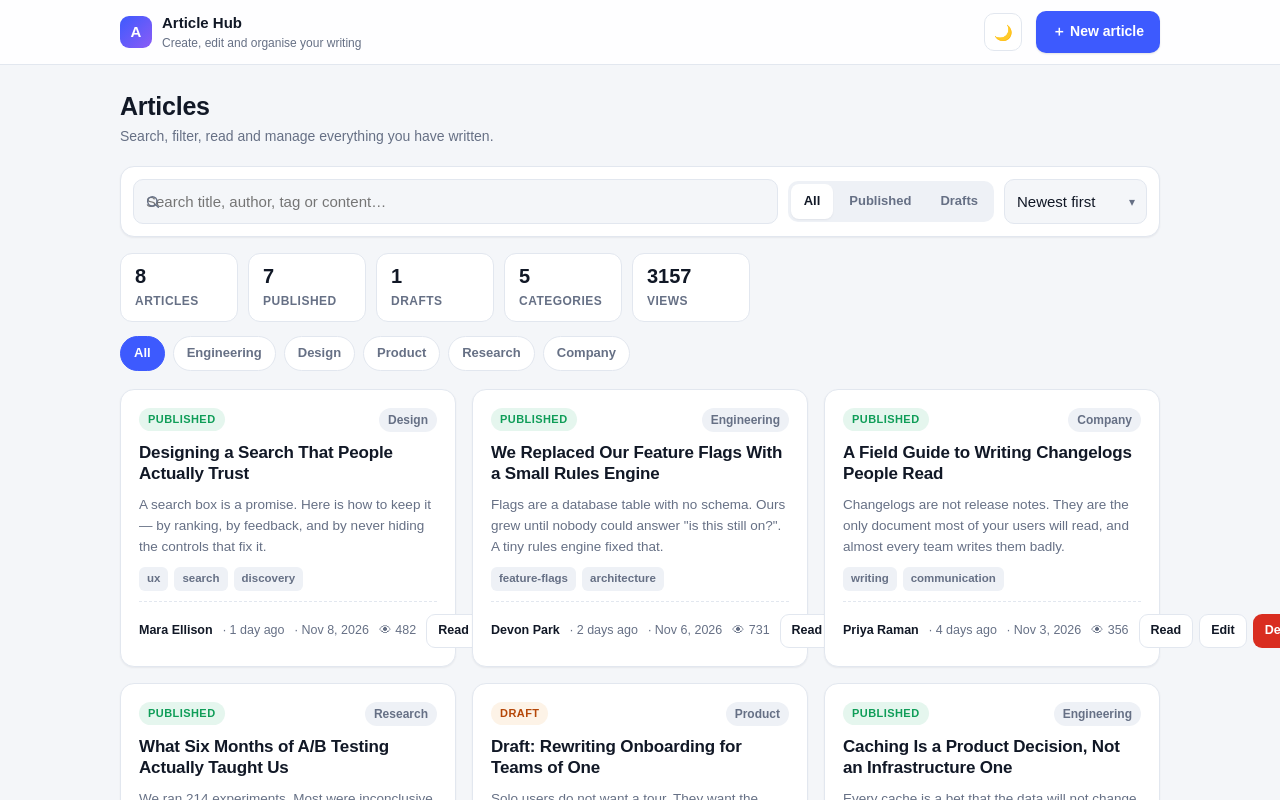
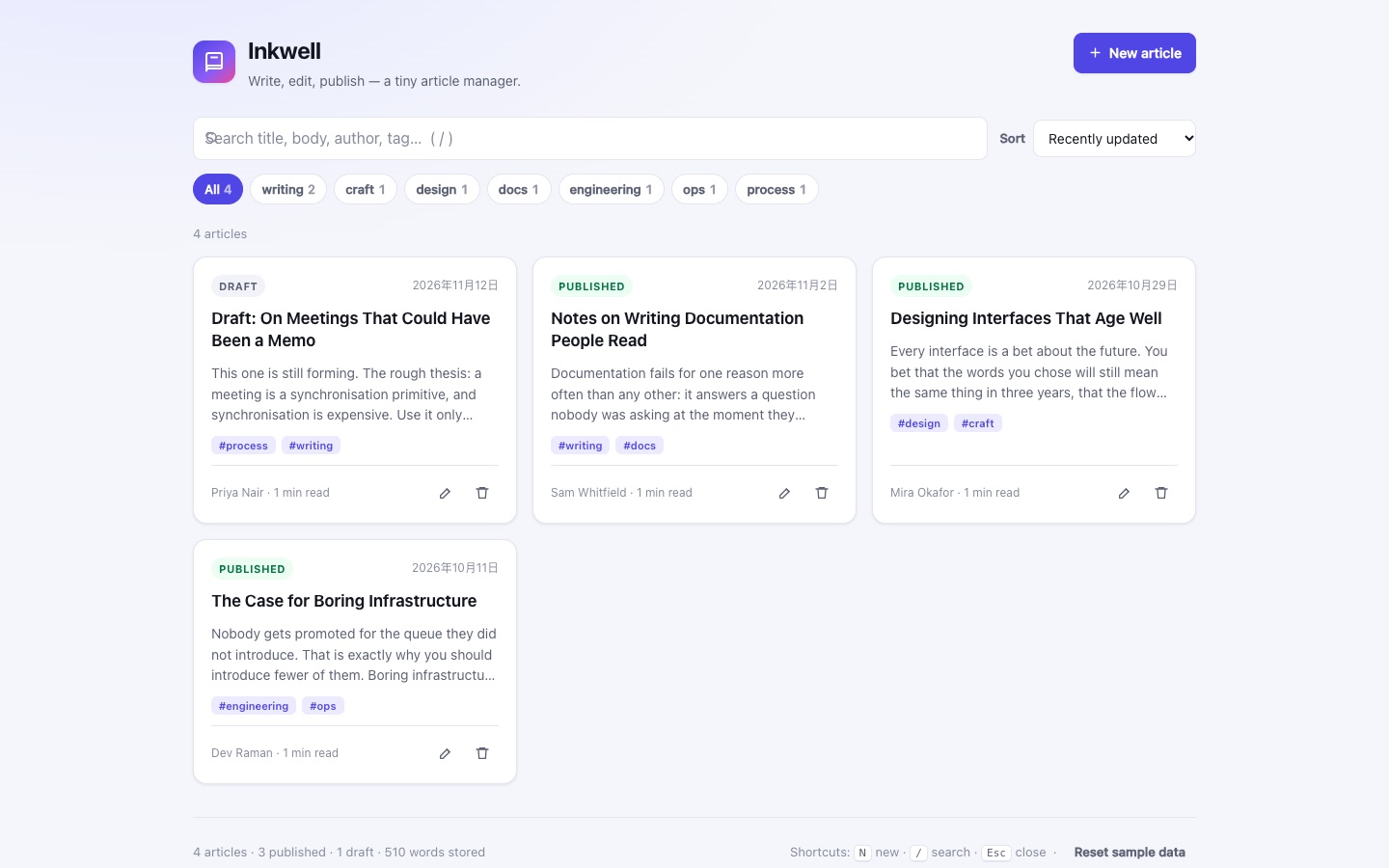
You are a code expert, please use your professional knowledge to generate accurate and professional responses. Make sure that the code you generate is executable. Create a web application that displays a list of articles and implements CRUD (create, read, update, delete) functionality.
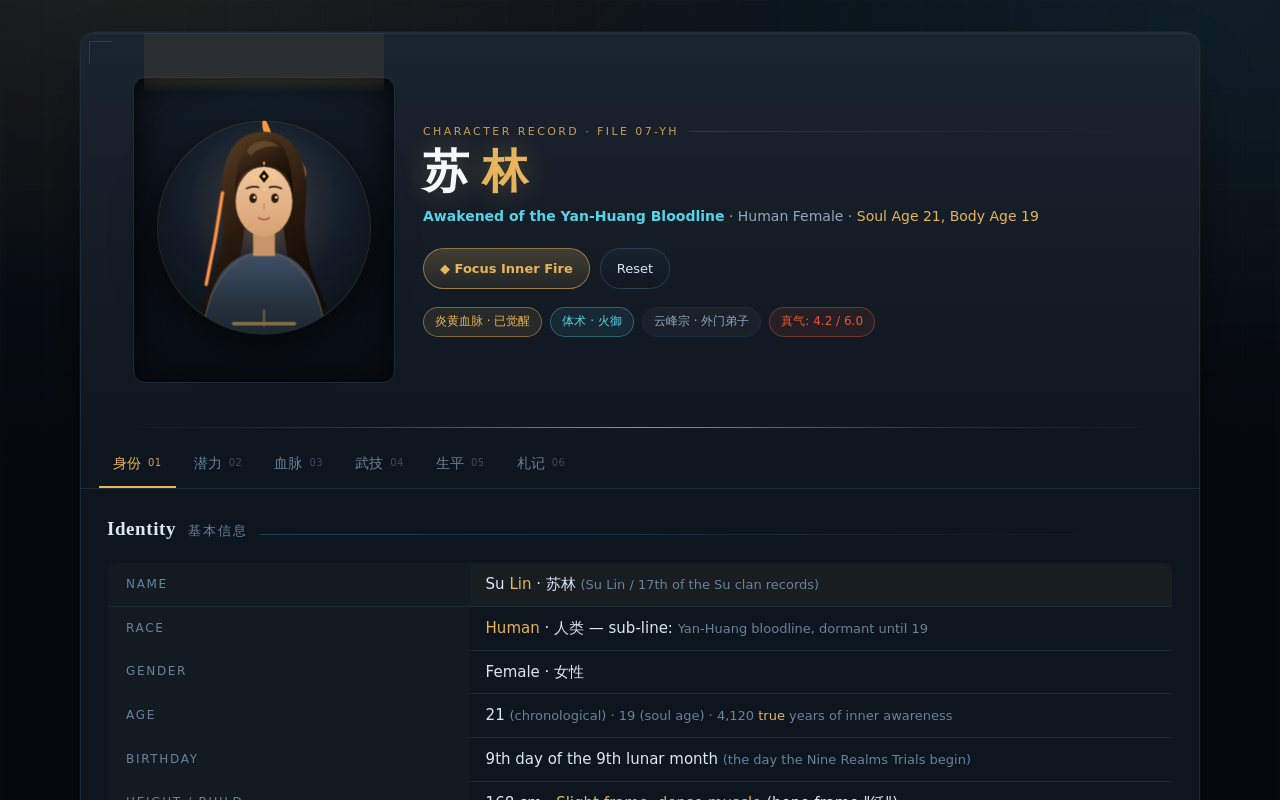
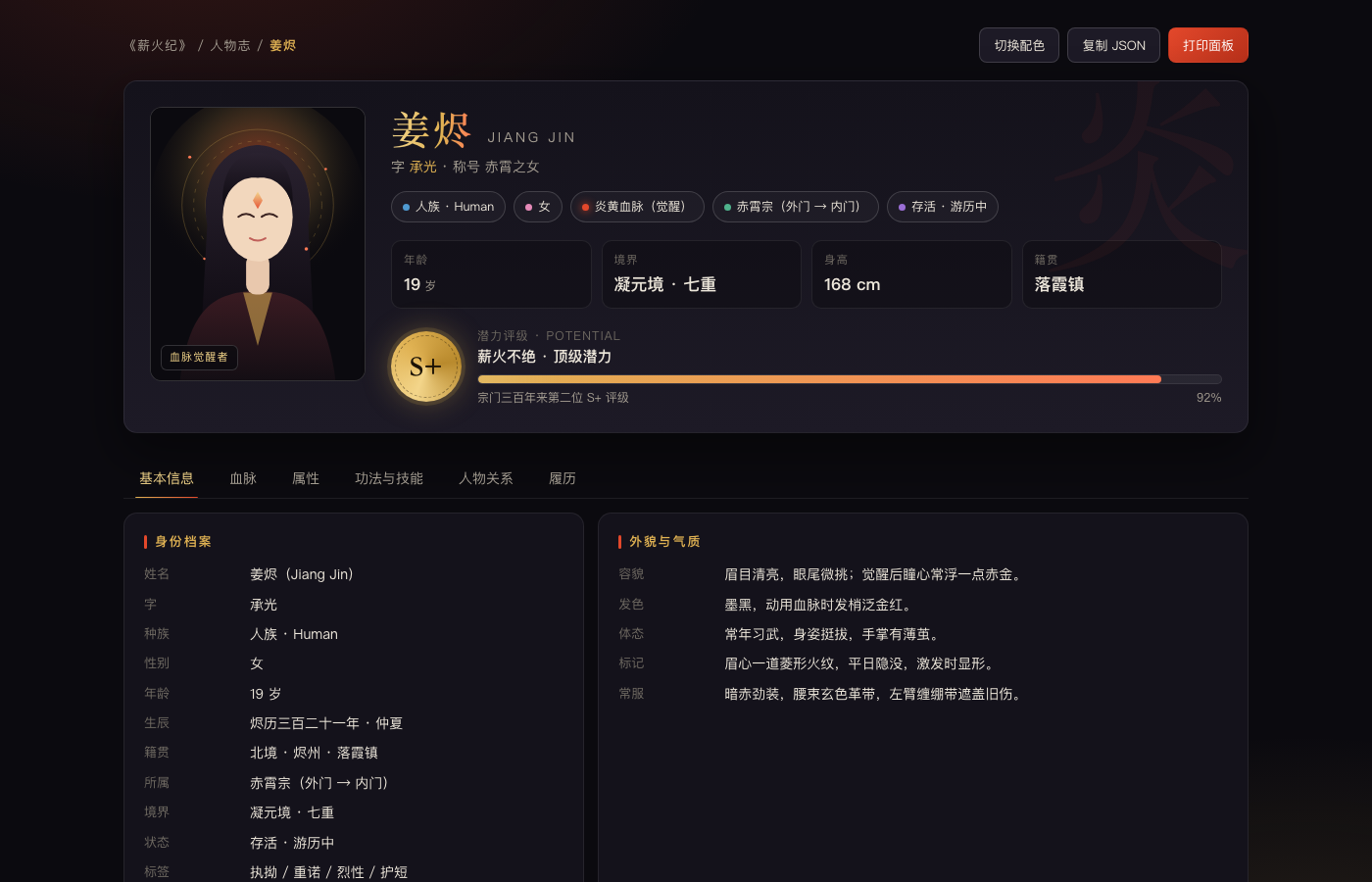
You are a code expert. Please use your professional knowledge to generate accurate and professional responses. Make sure the code you generate is executable for display. Create a character information panel for a novel, including details such as race, age, potential, and other information (Human female who has awakened the Yan-Huang bloodline).
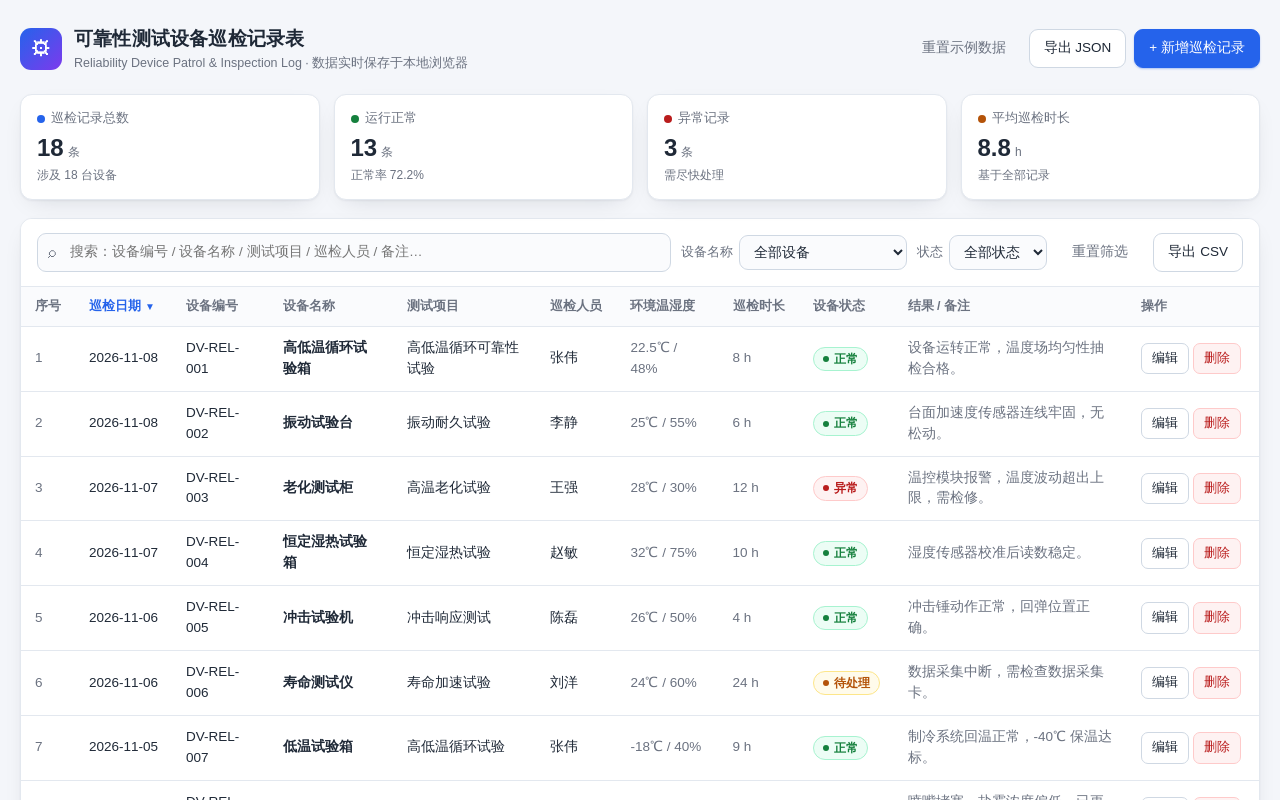
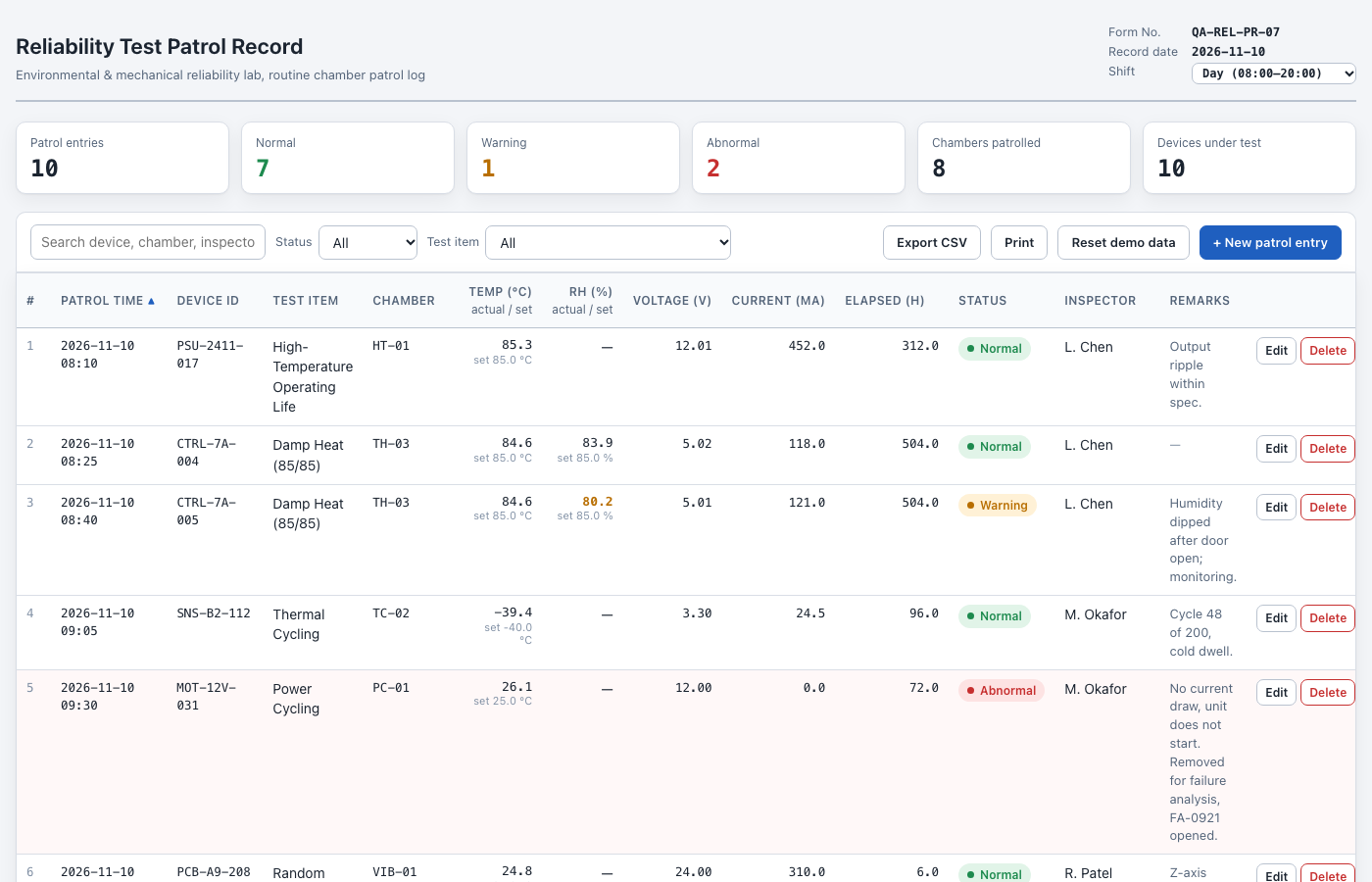
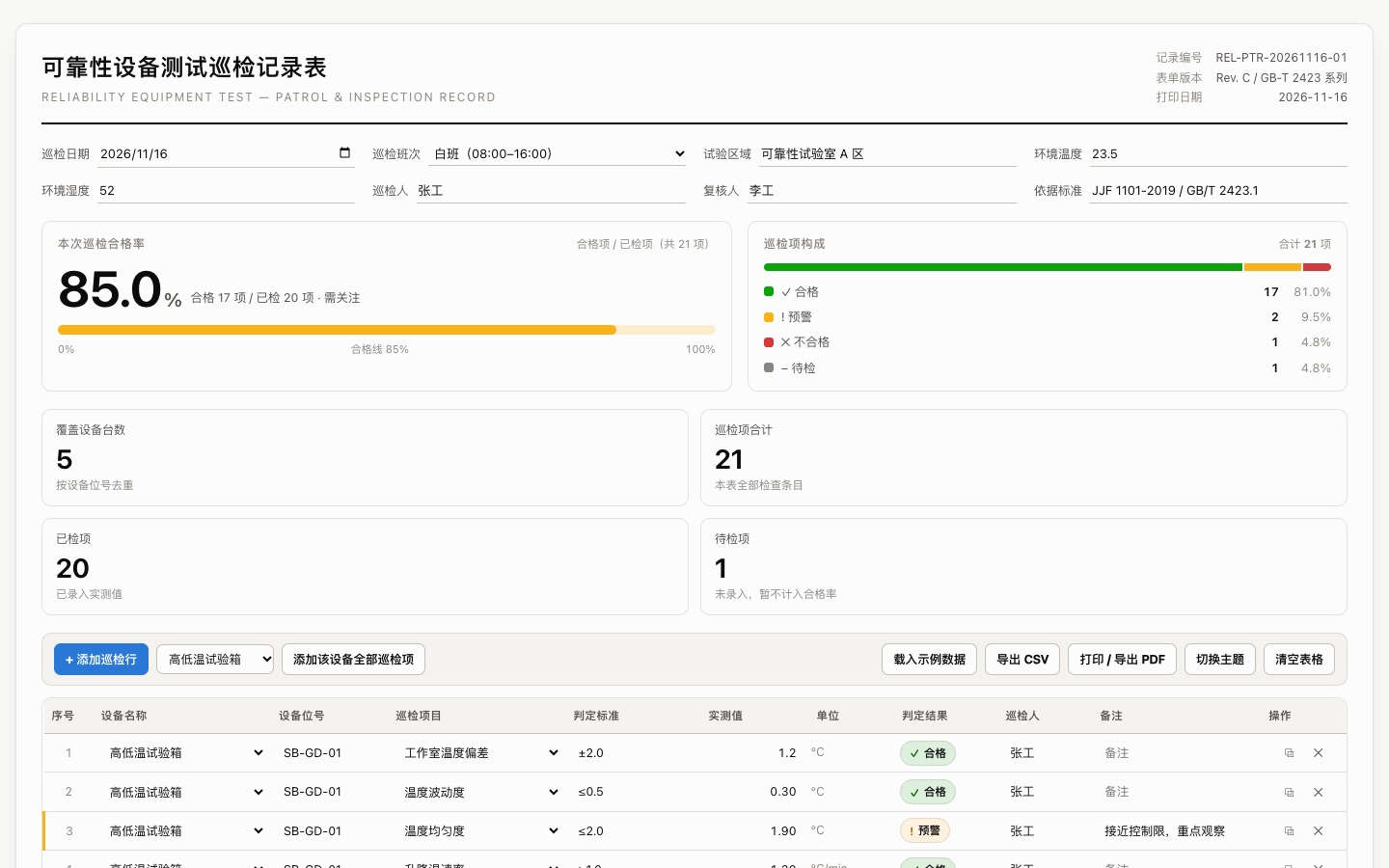
You are a code expert. Please use your professional knowledge to generate accurate and professional responses. Be sure to provide executable code for demonstration purposes. Create a patrol record table for reliability device testing using HTML.
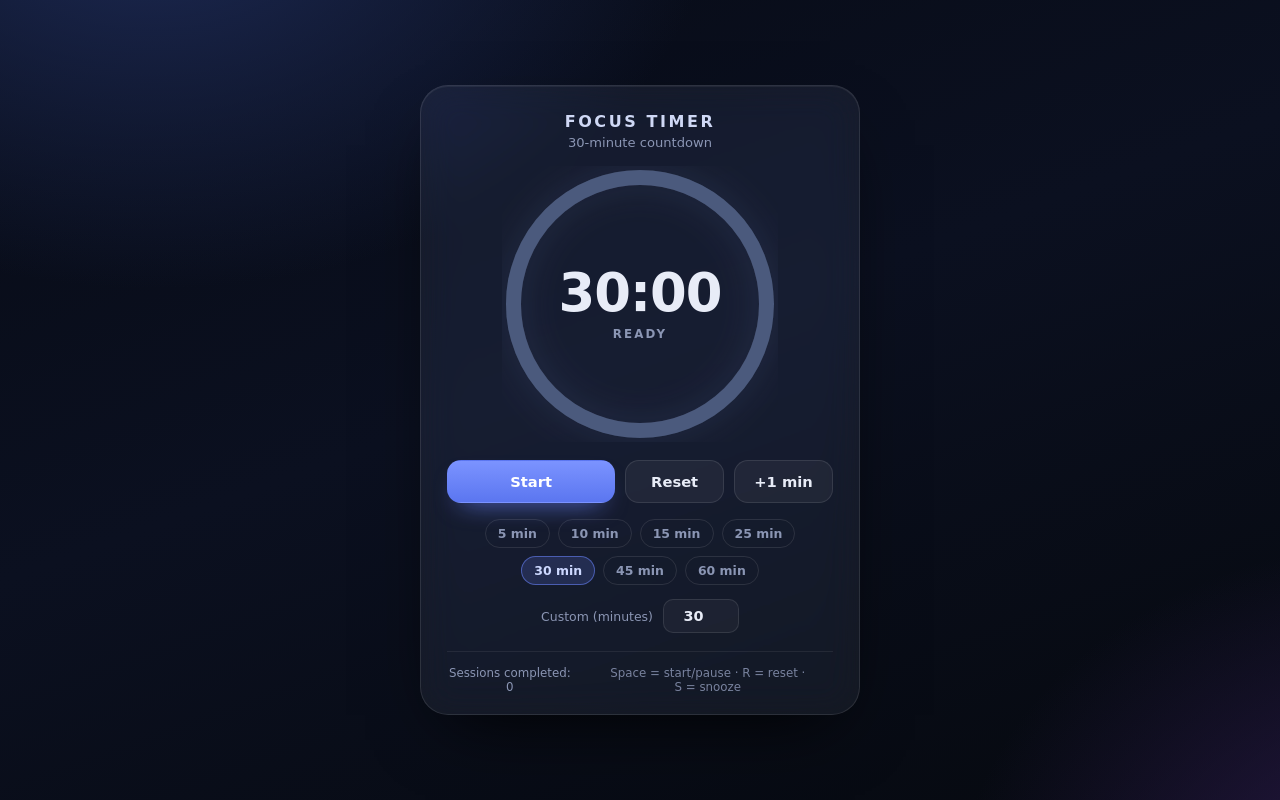
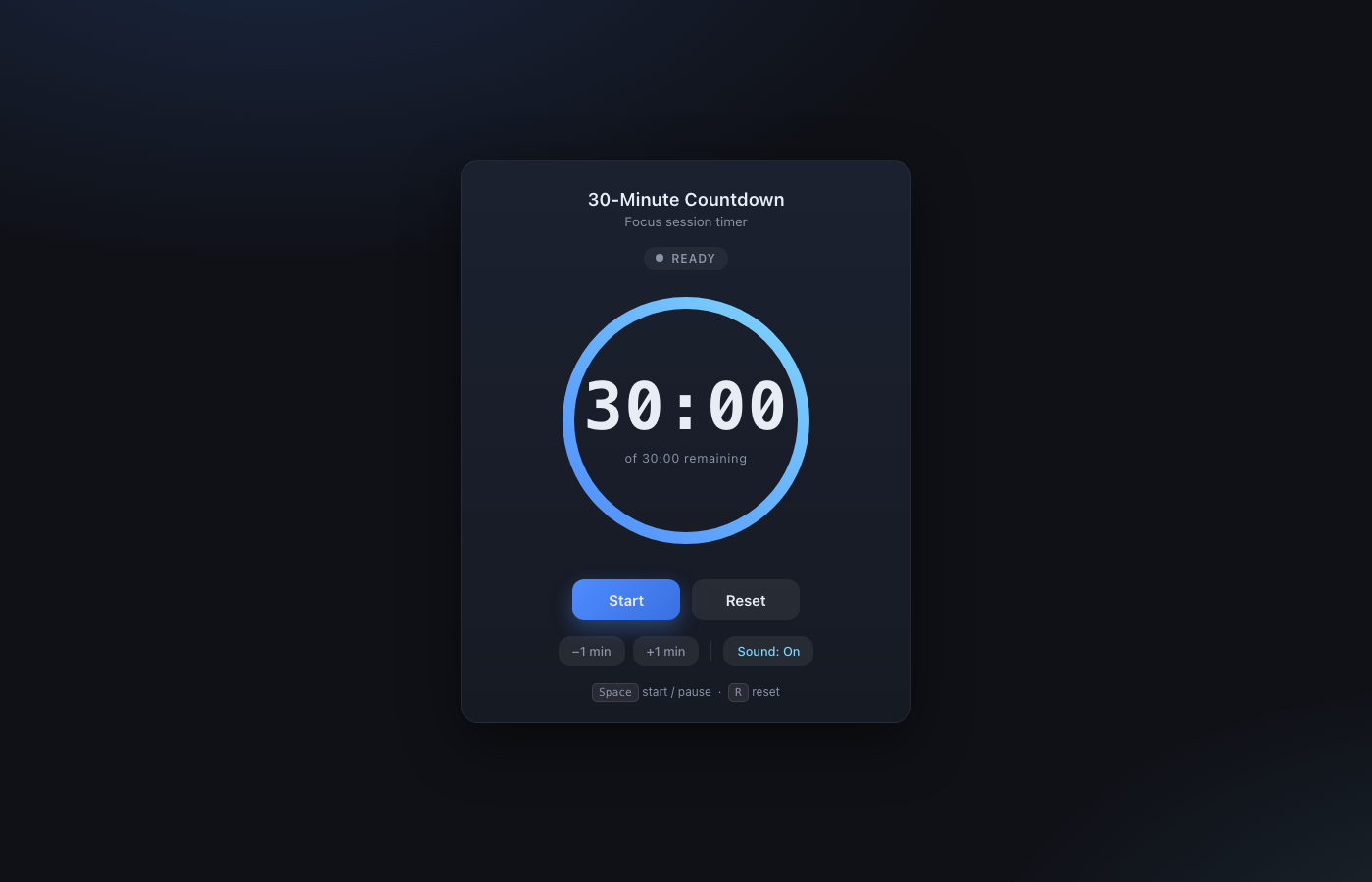
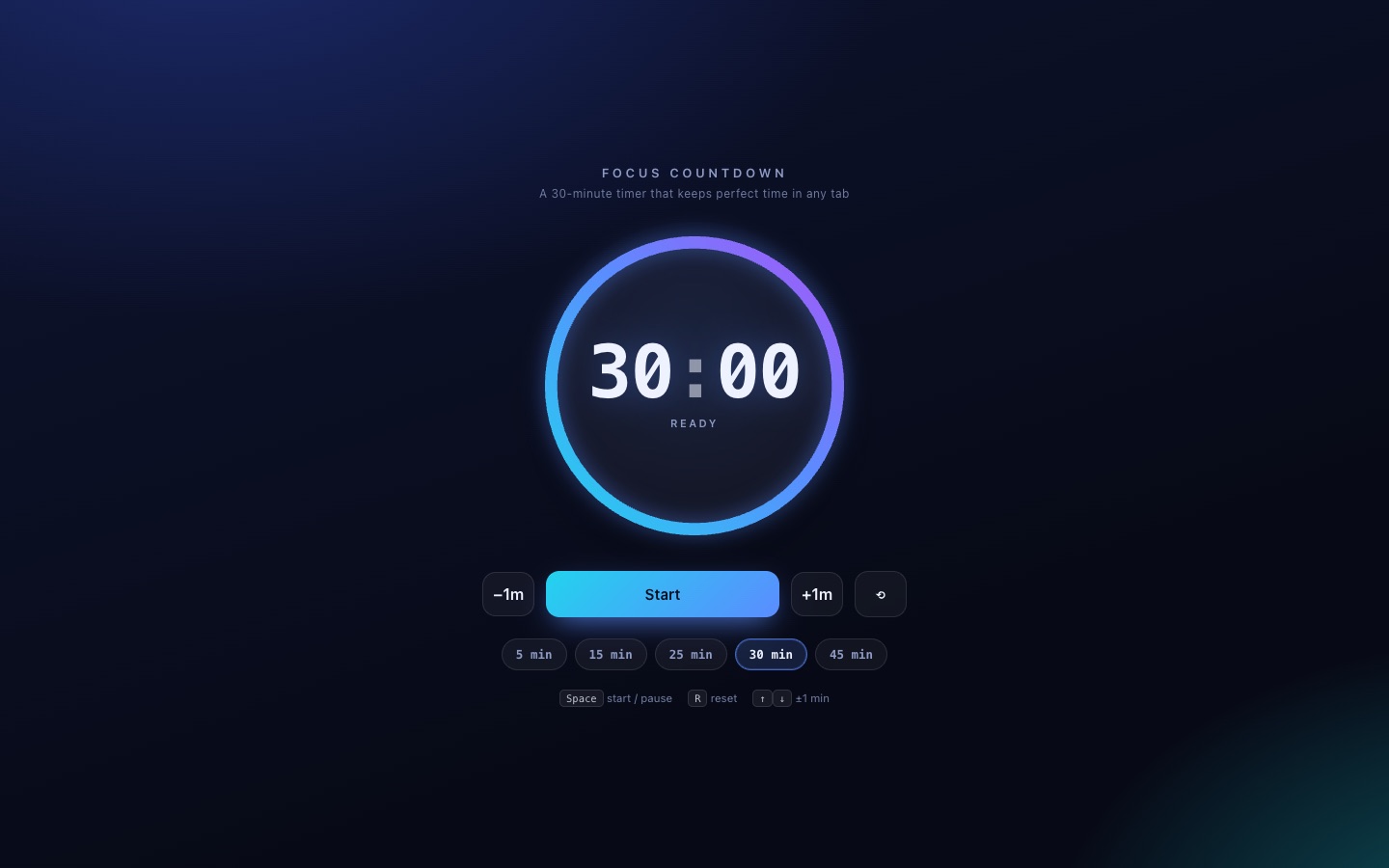
You are a coding expert. Please use your professional knowledge to generate accurate and professional responses. Make sure the generated code is executable for demonstration purposes. Please create a 30-minute countdown timer webpage and output it in HTML format.
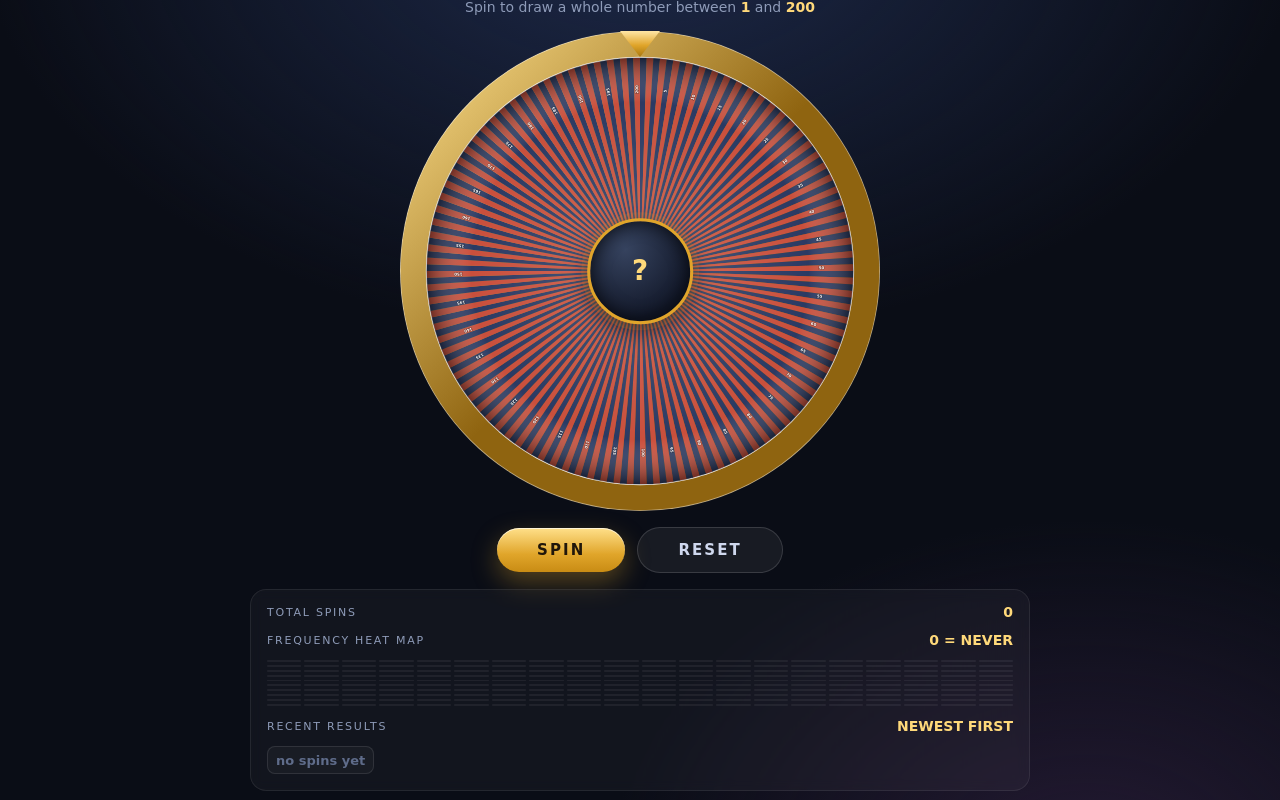
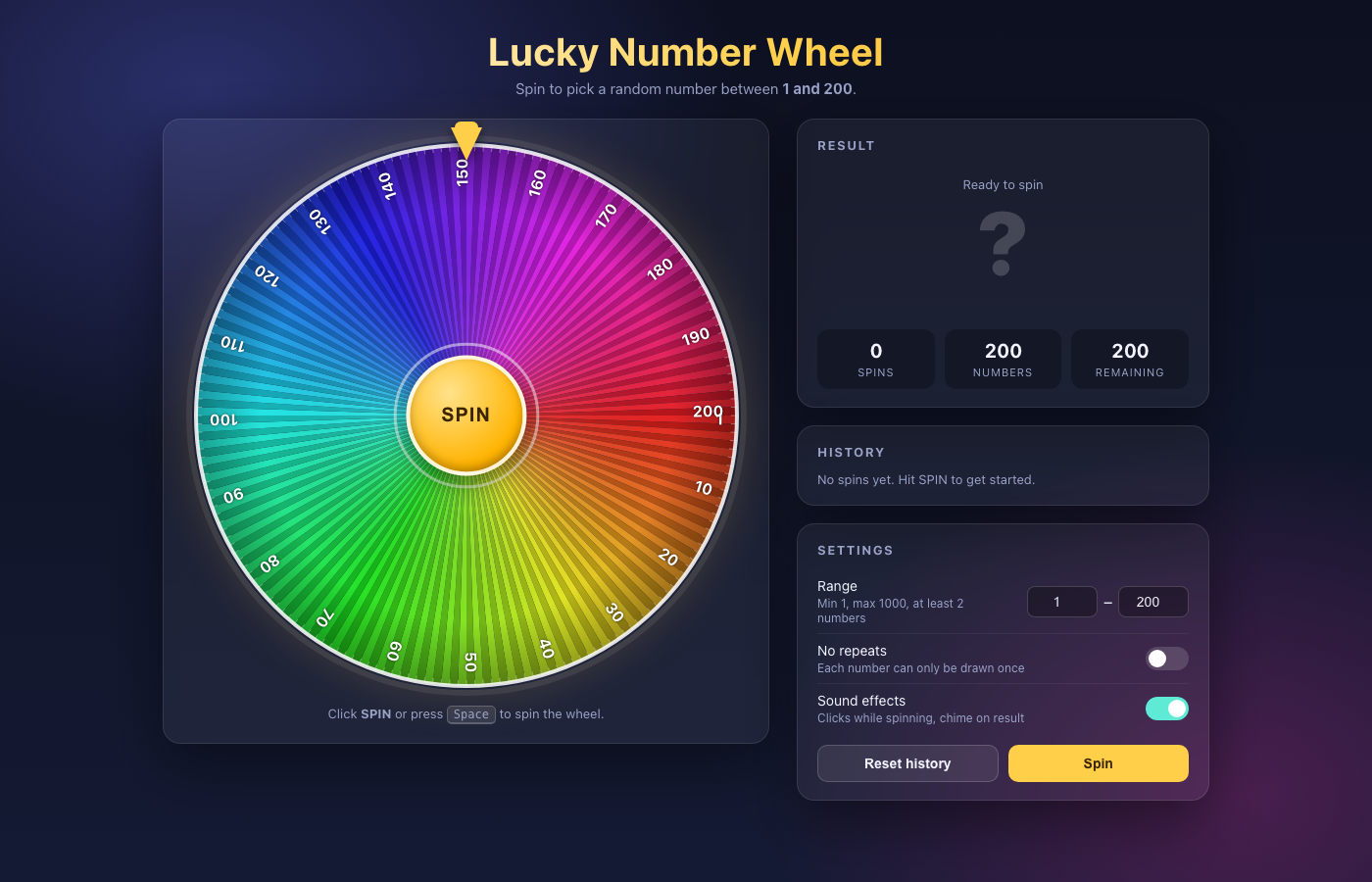
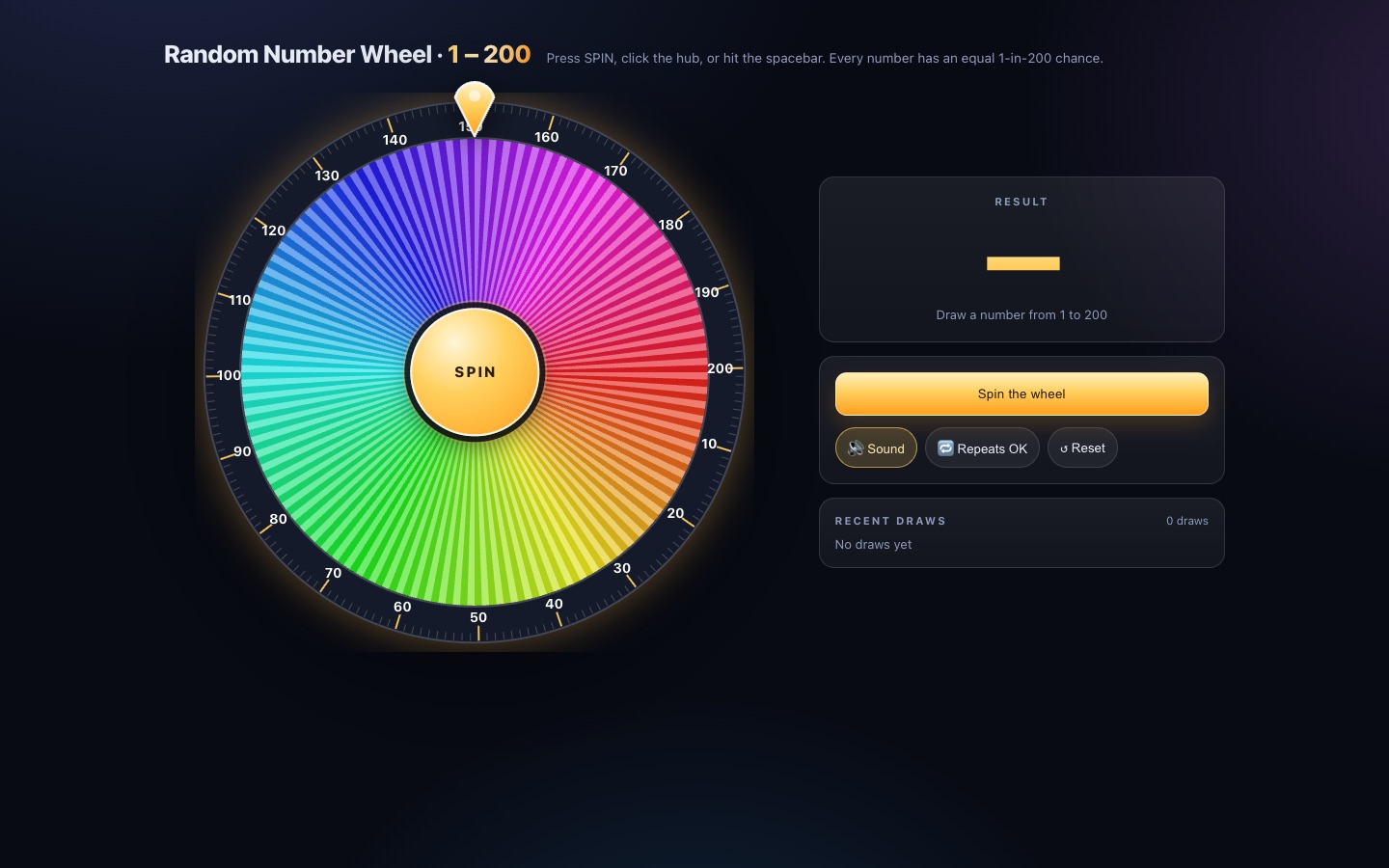
You are a code expert. Please use your professional knowledge to generate accurate and professional responses. Be sure to ensure that the code you generate is executable for demonstration. Create a random number wheel from 1 to 200.
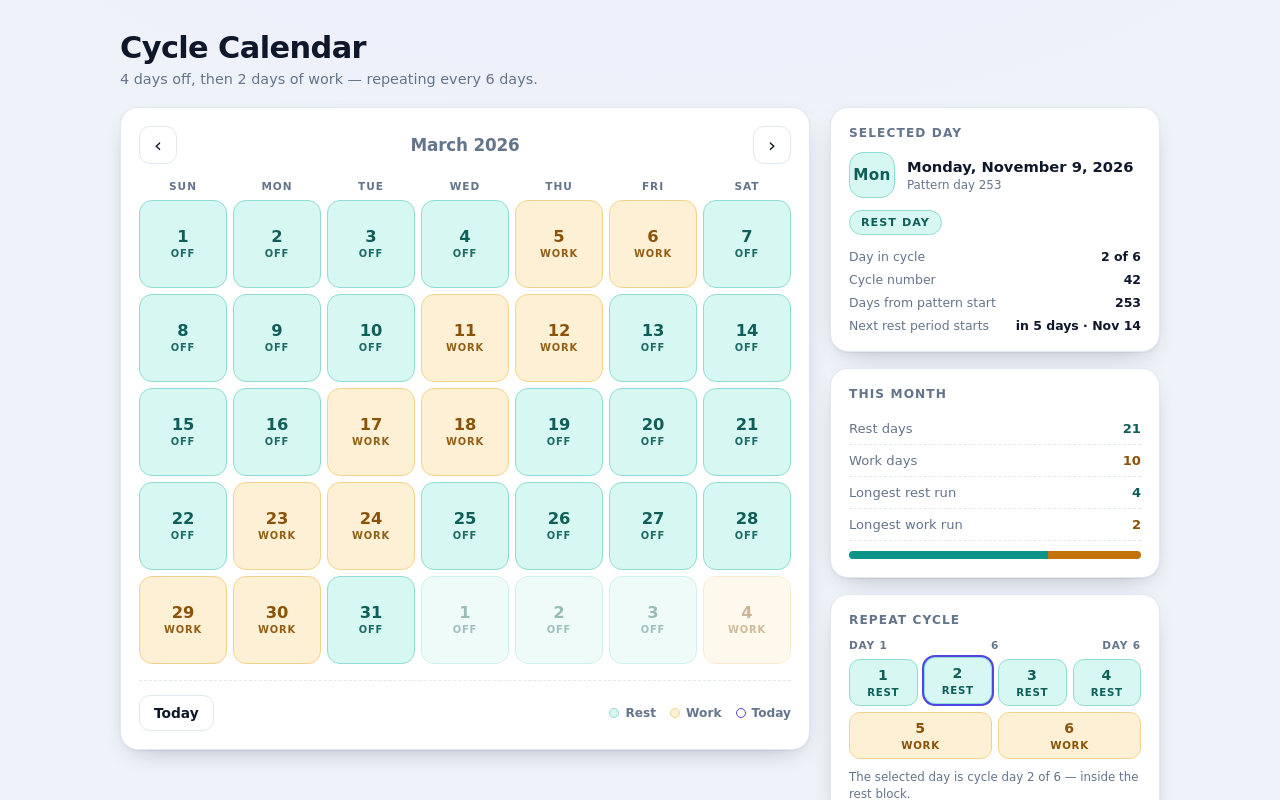
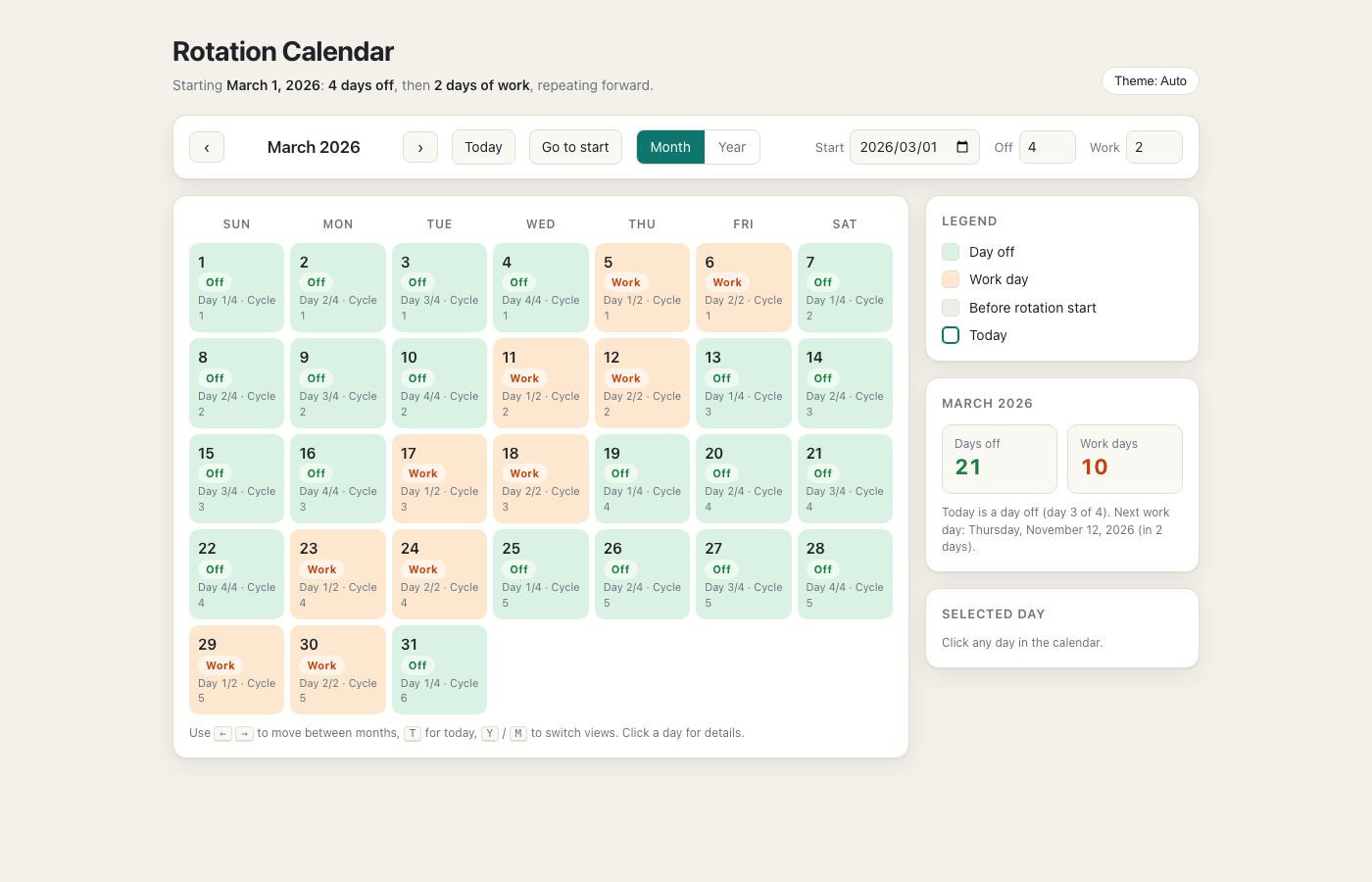
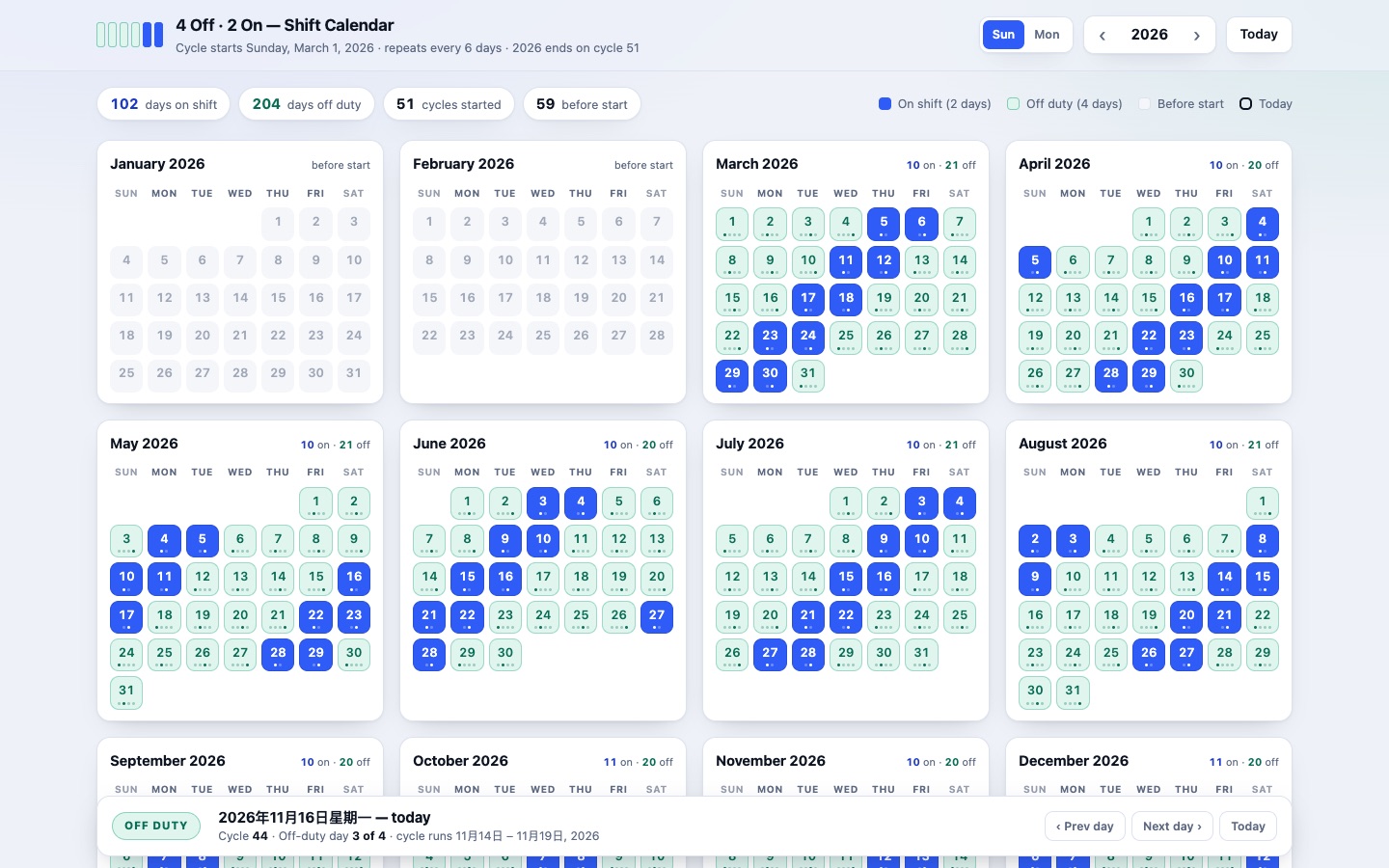
You are a code expert. Please use your professional knowledge to generate accurate and professional responses. Make sure the generated code is executable for demonstration purposes. Starting from March 1st, taking 4 days off followed by 2 days of work, and continuing this pattern going forward, write HTML code to generate a calendar.
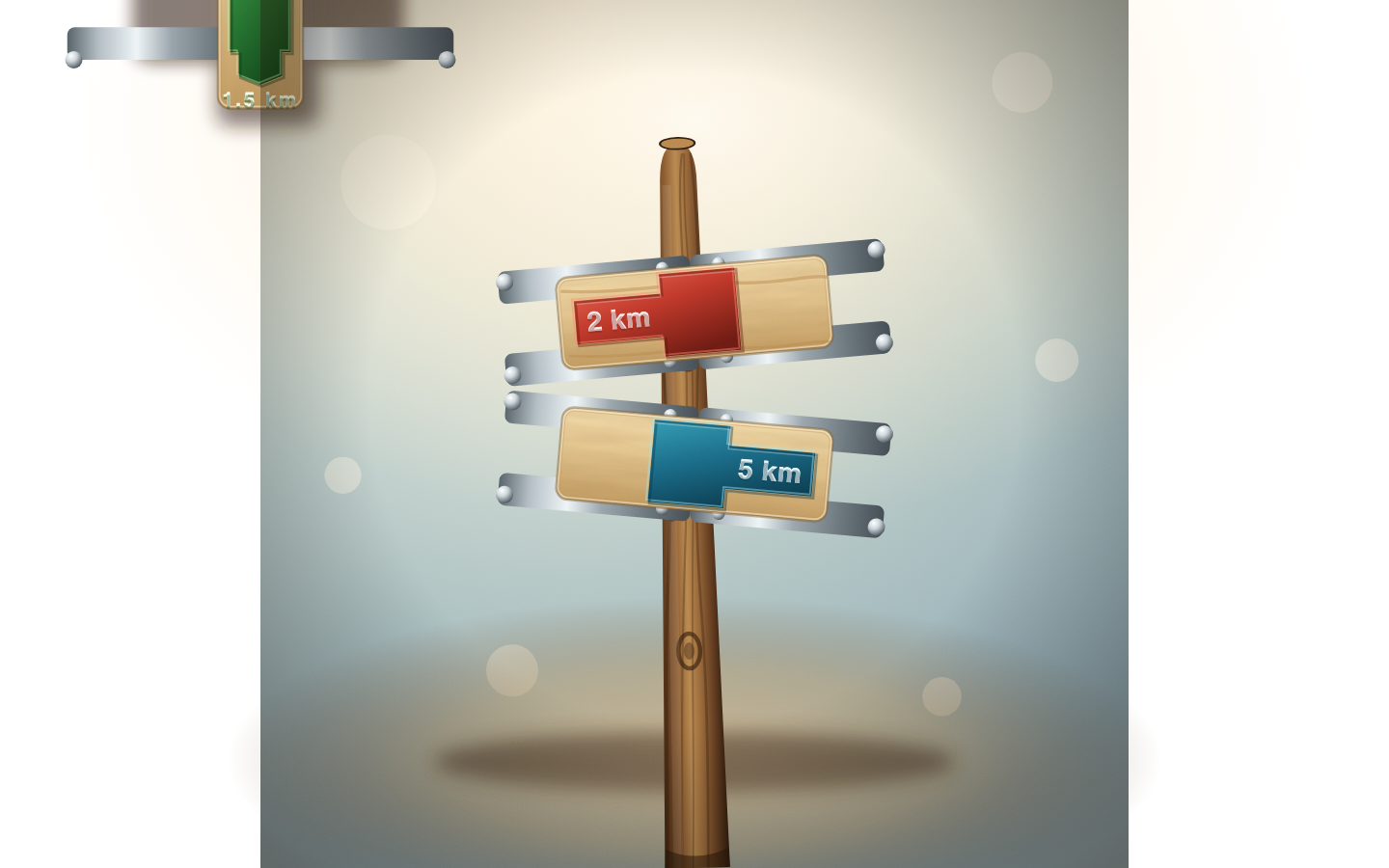
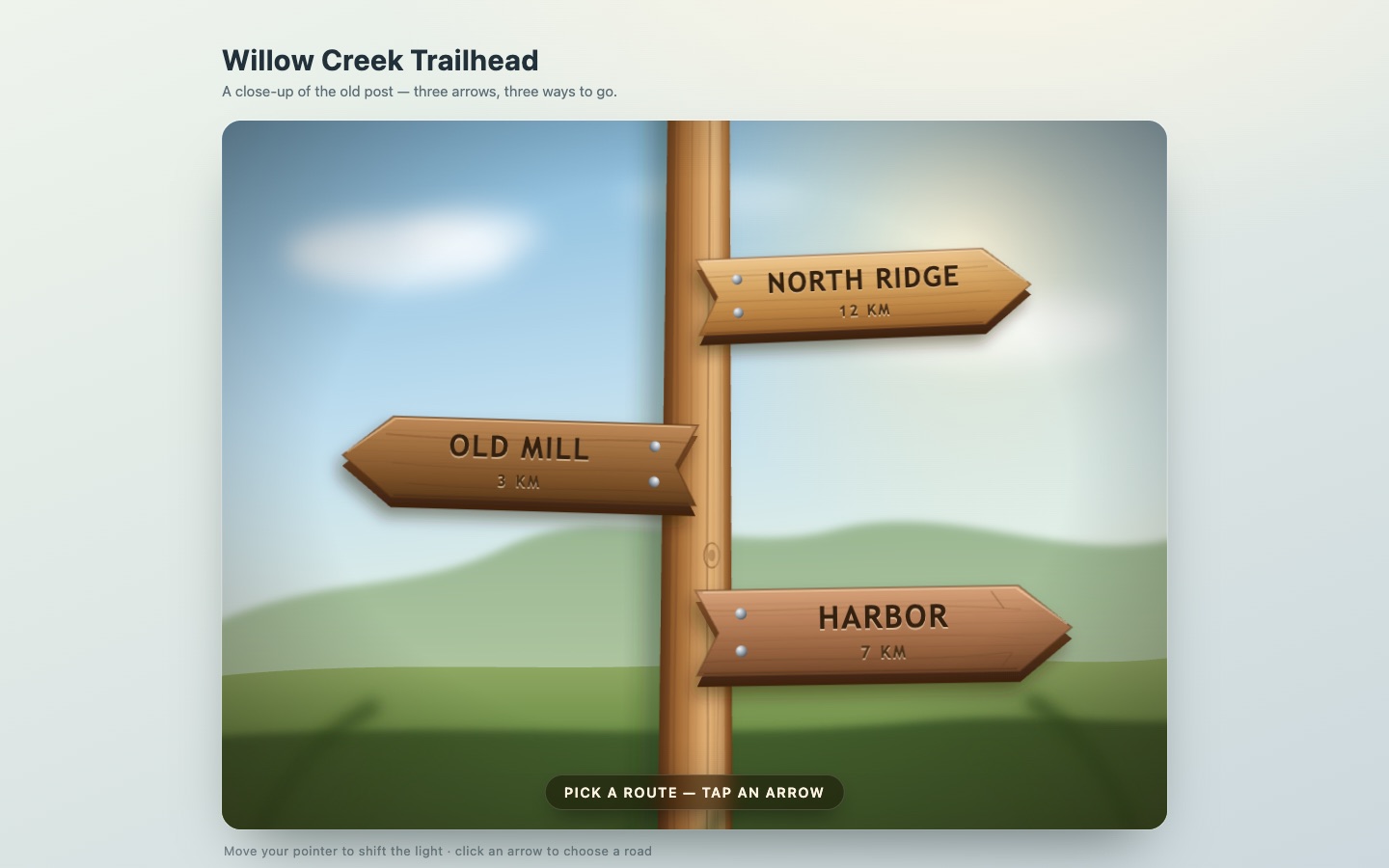
You are a code expert. Please use your professional knowledge to generate accurate and professional responses. Make sure the code you generate is executable whenever possible. Please help me implement the following requirement using code: create a close-up view of a signpost with three different arrows using SVG code.
You are a code expert. Please use your professional knowledge to generate accurate and professional responses. Make sure the code you generate is executable when possible. Please help me implement the following requirement using SVG code: create a person falling off a cliff with a parachute.
You are a code expert. Please use your professional knowledge to generate accurate and professional responses. Make sure the generated code is executable for demonstration purposes.

Please help me implement the following request using SVG code. The requirement is to create a bow, which is a hunting weapon used for shooting arrows.
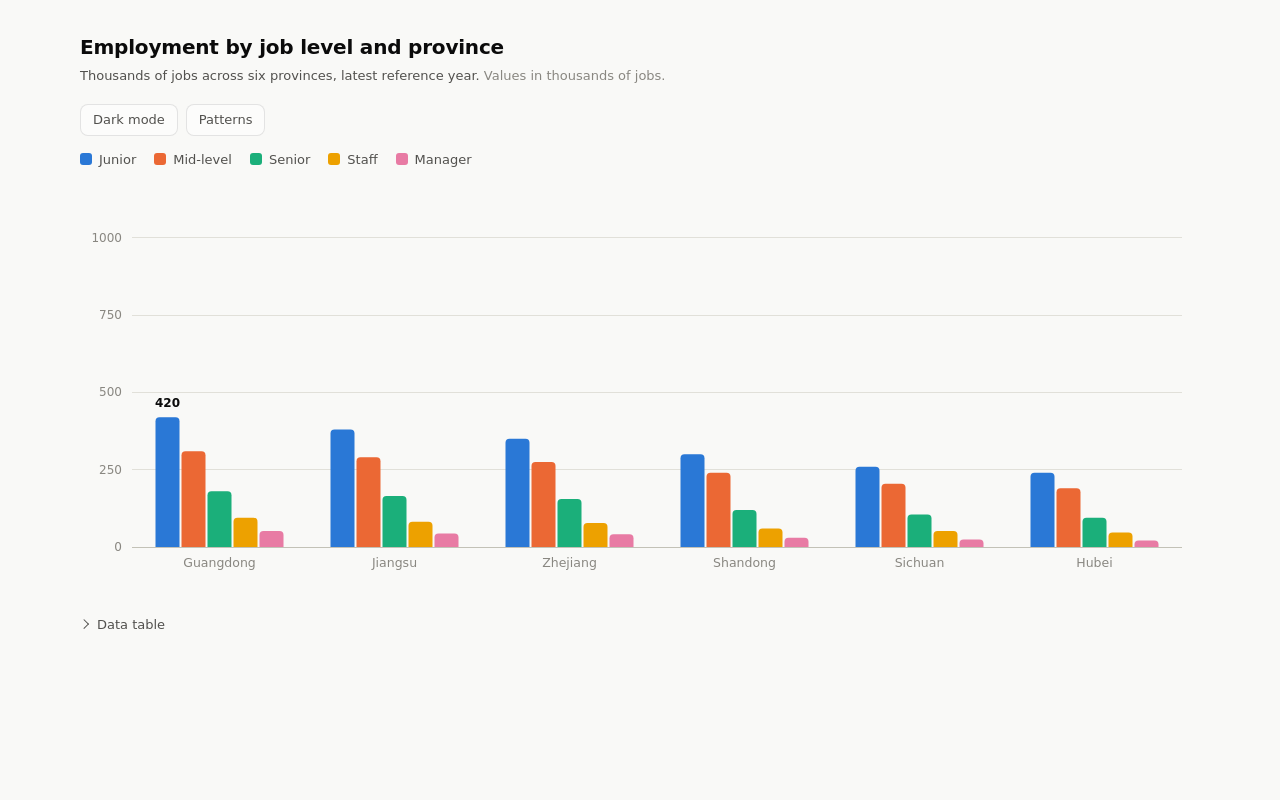
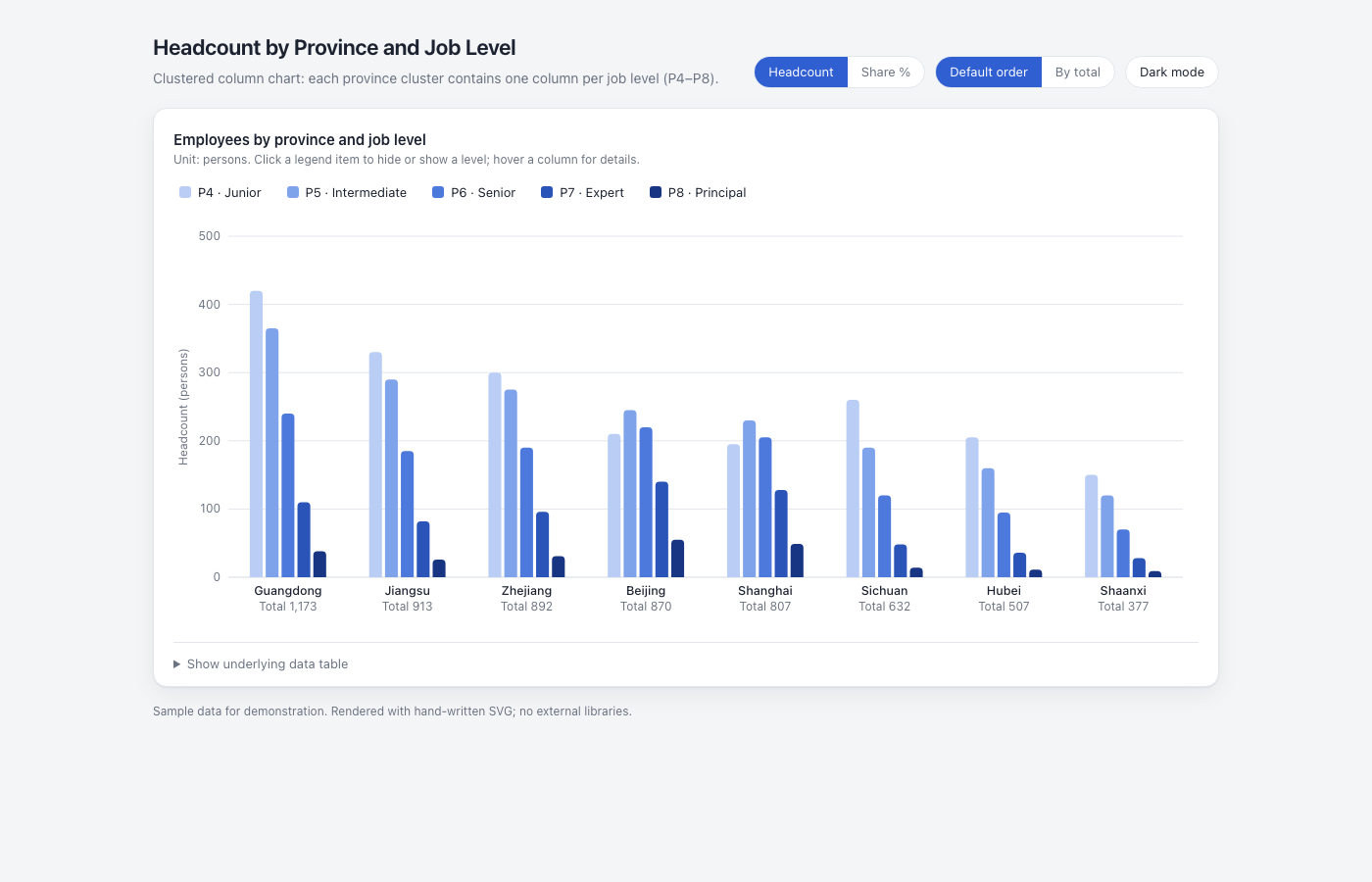
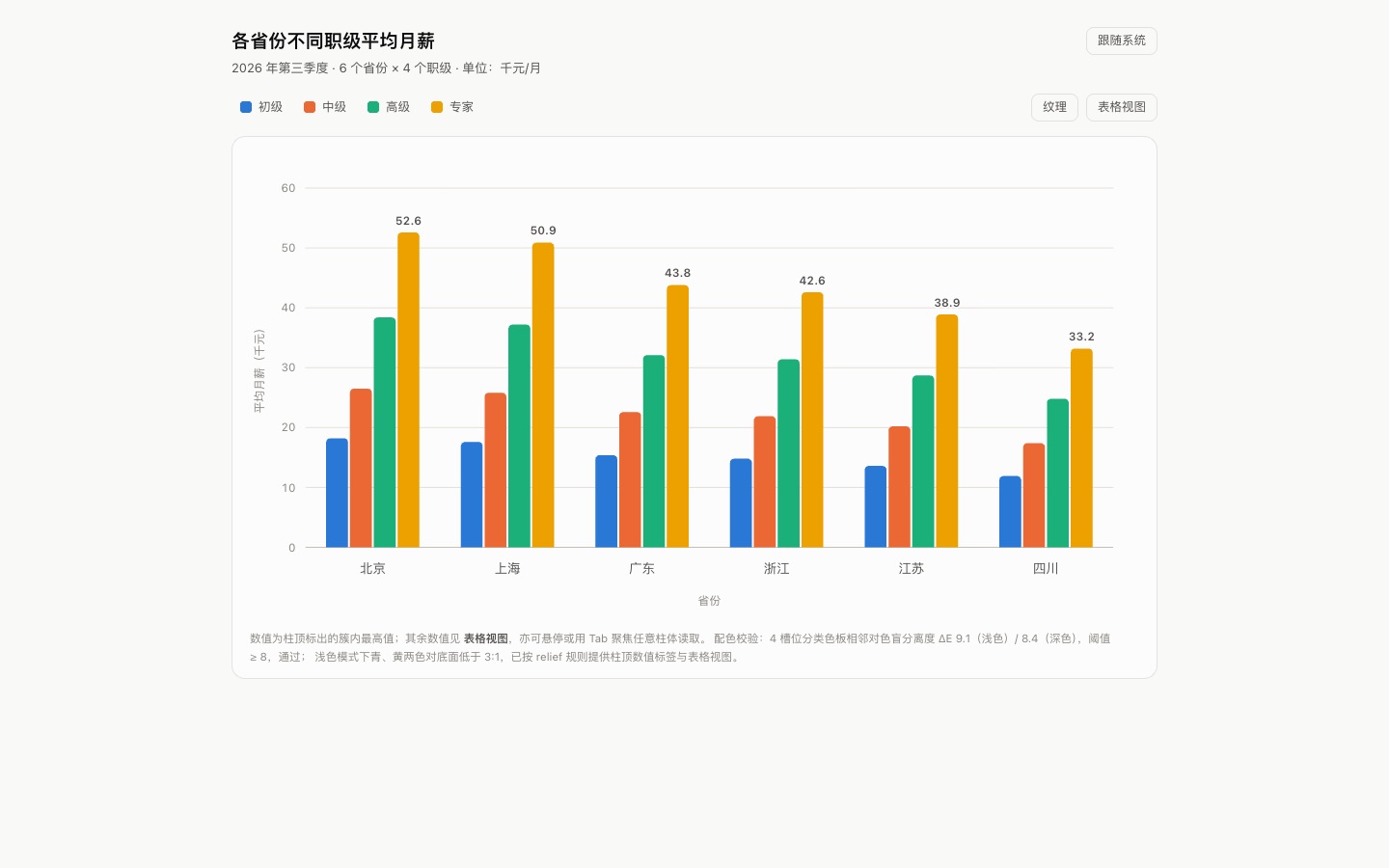
You are a code expert. Please use your professional knowledge to generate accurate and professional responses. Be sure to ensure that the generated code is executable for display purposes. Present clustered column chart code that shows provinces and job levels.
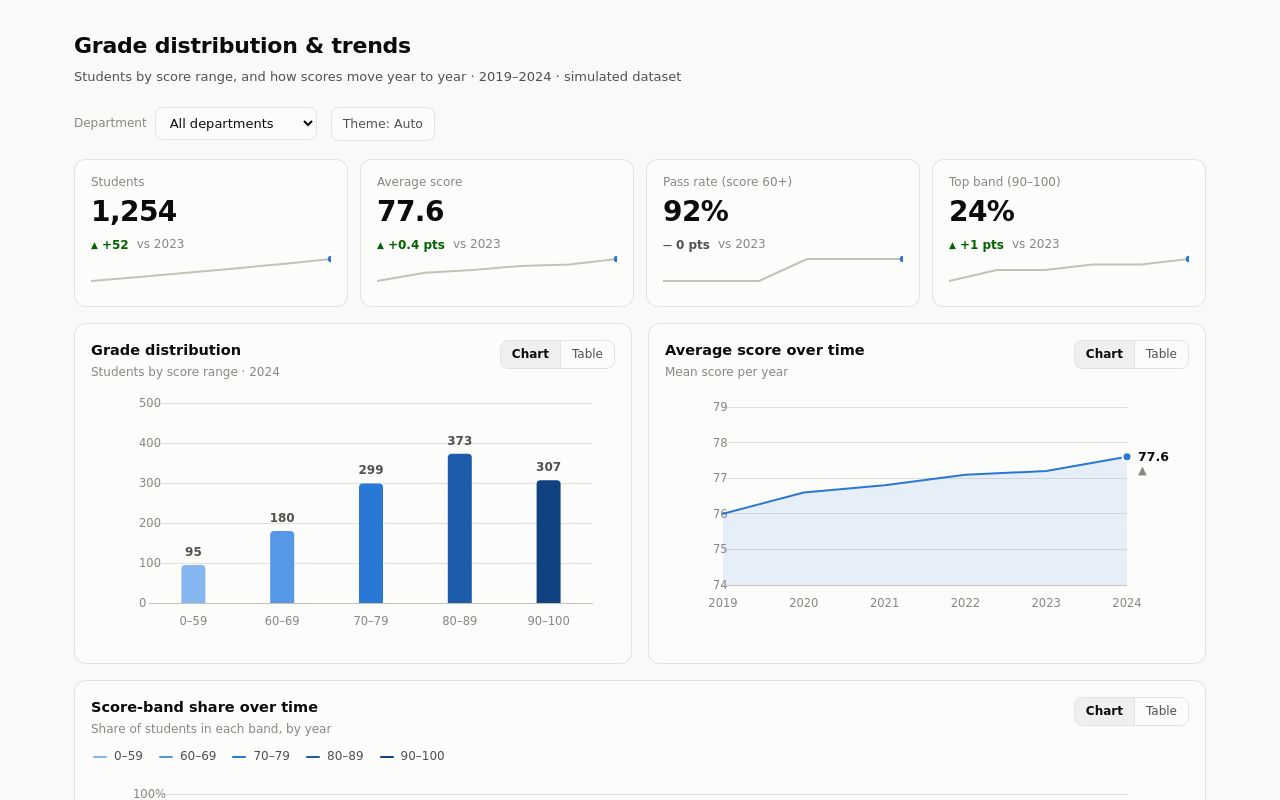
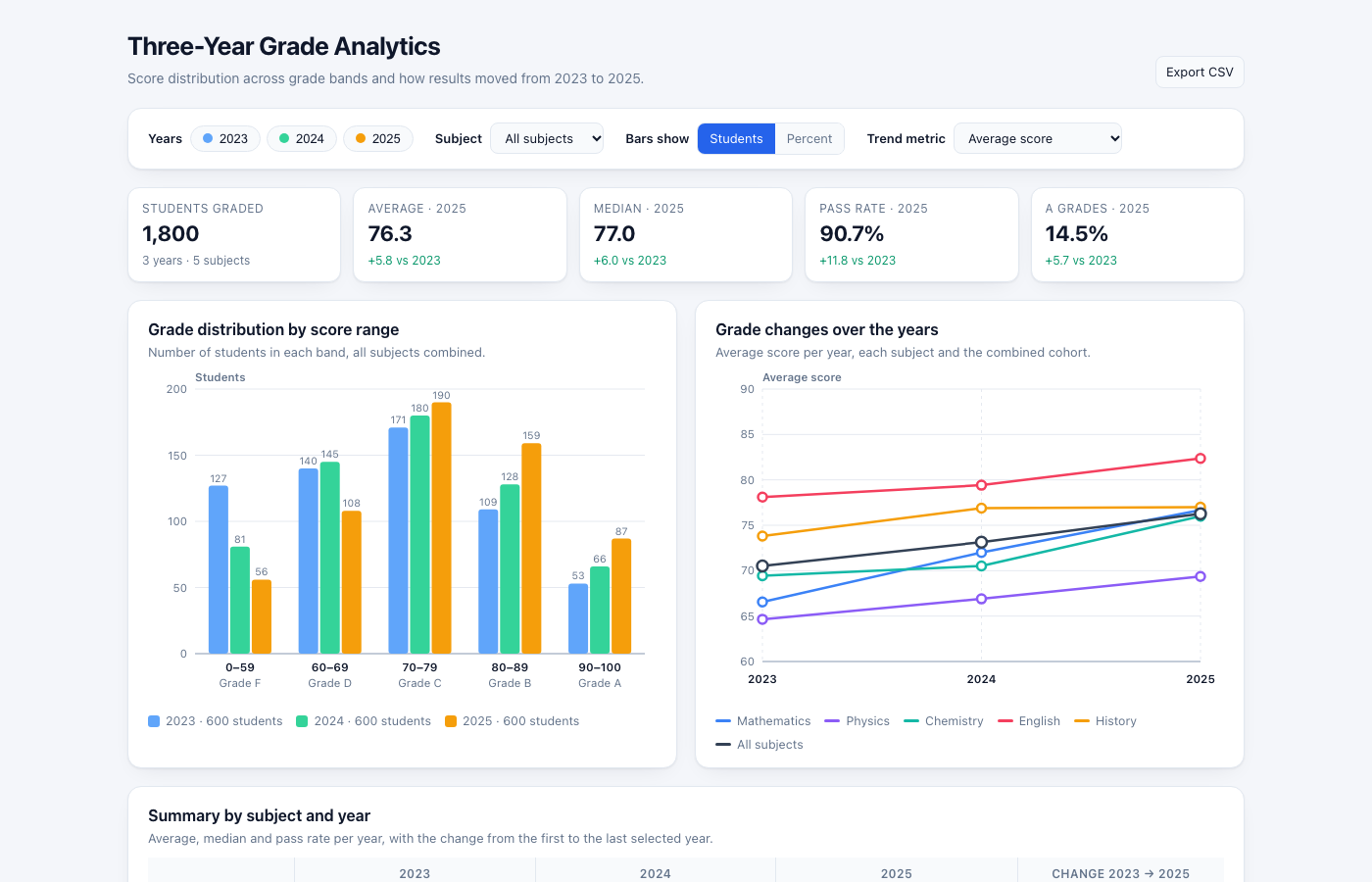
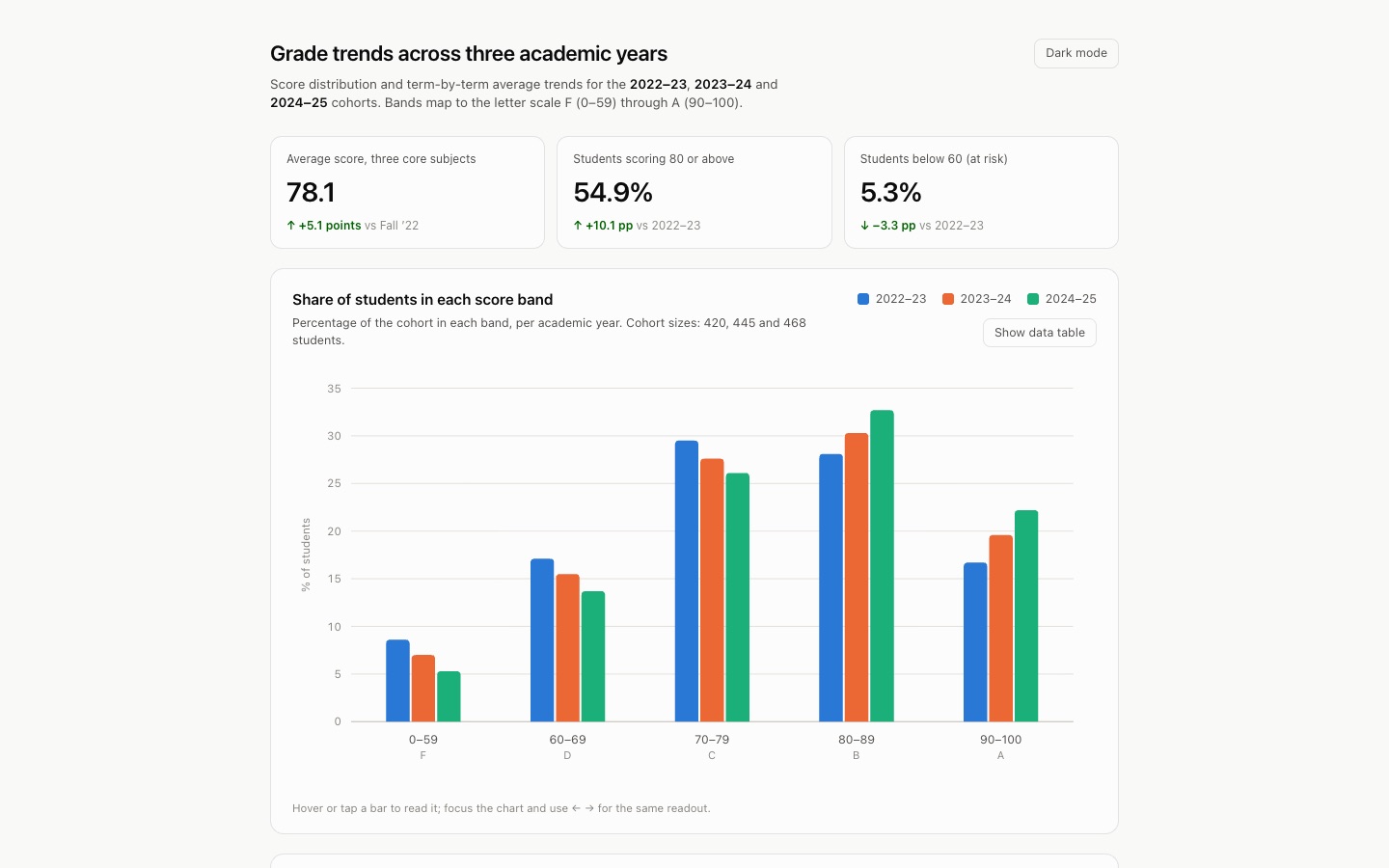
You are a code expert. Please use your professional knowledge to generate accurate and professional responses. Make sure the code you generate is executable for demonstration. Based on three years of grades, generate HTML code to display bar charts showing grade distribution across score ranges and line graphs illustrating grade changes over the years.
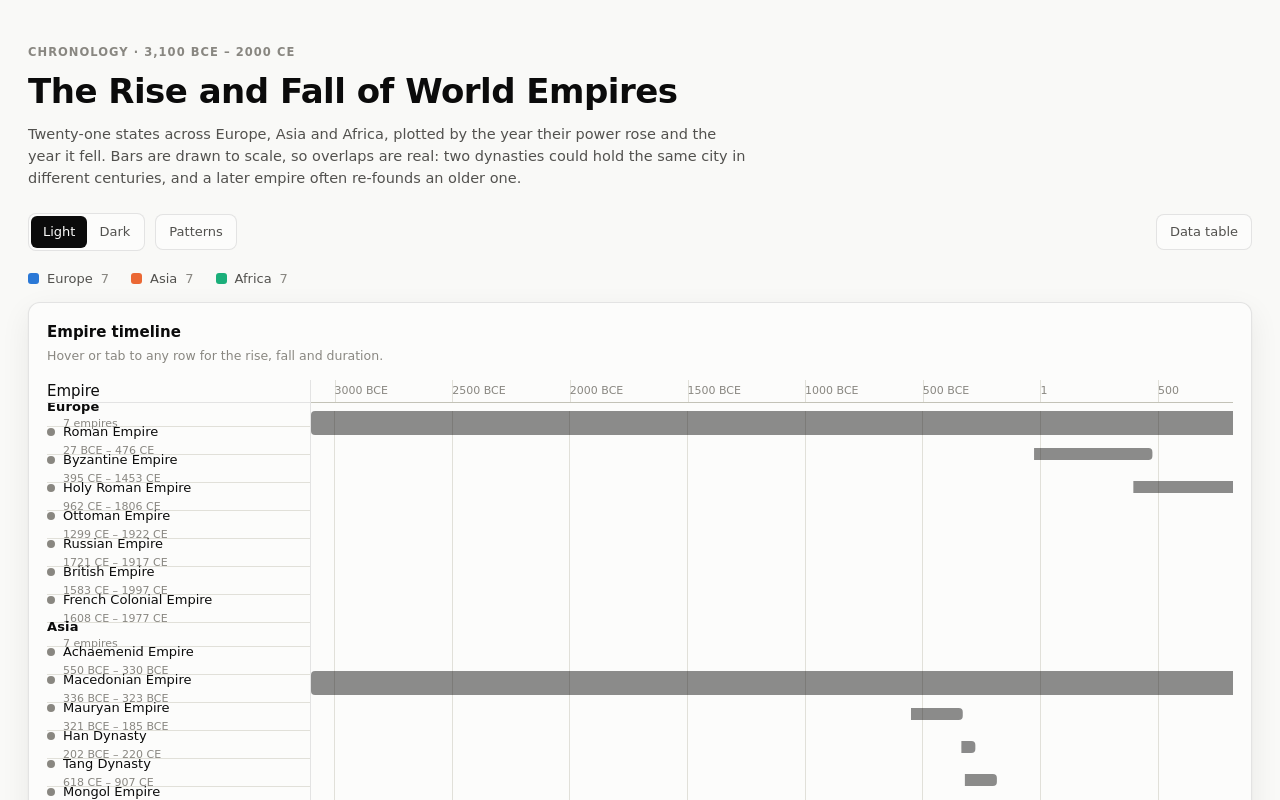
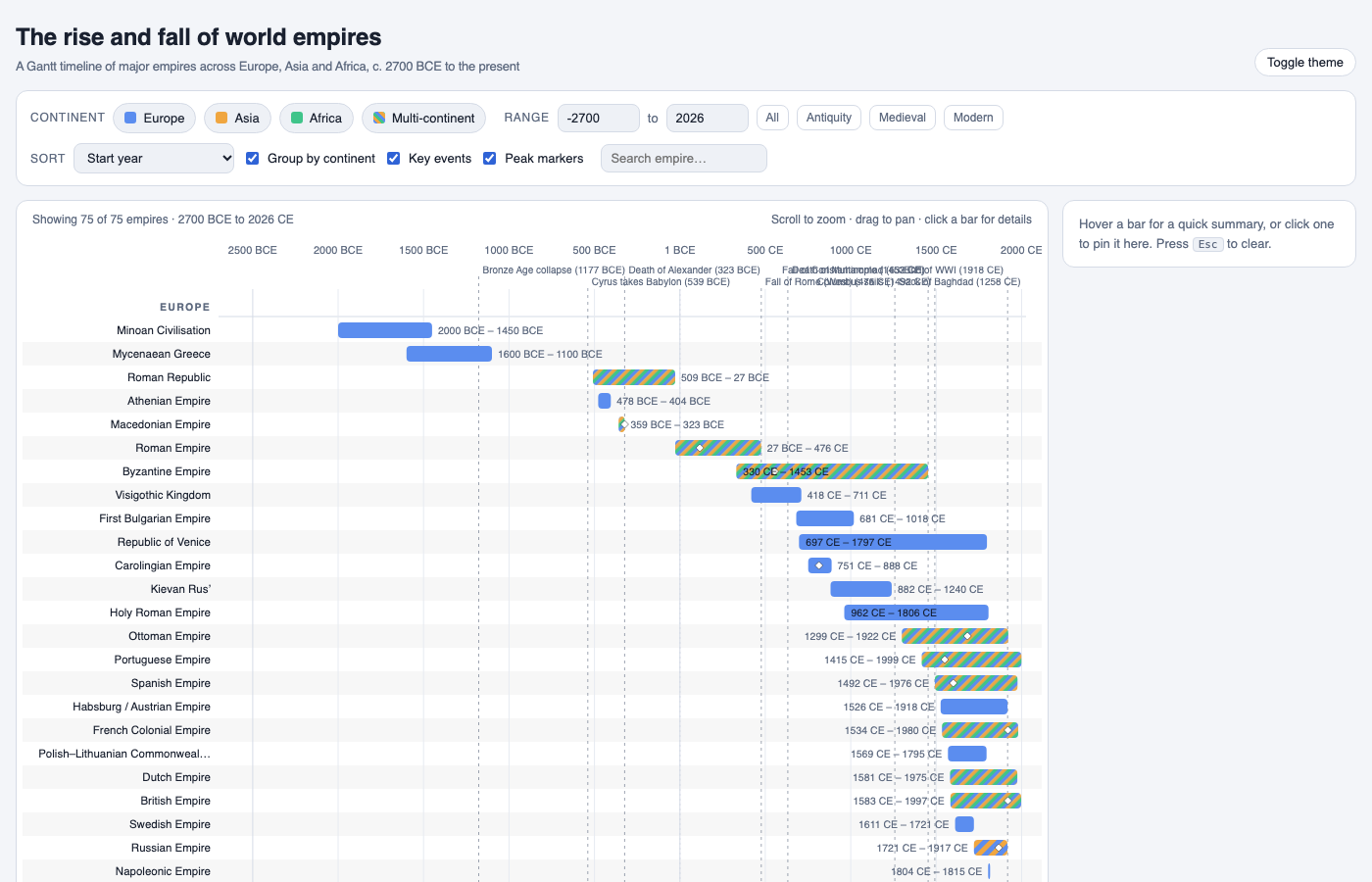
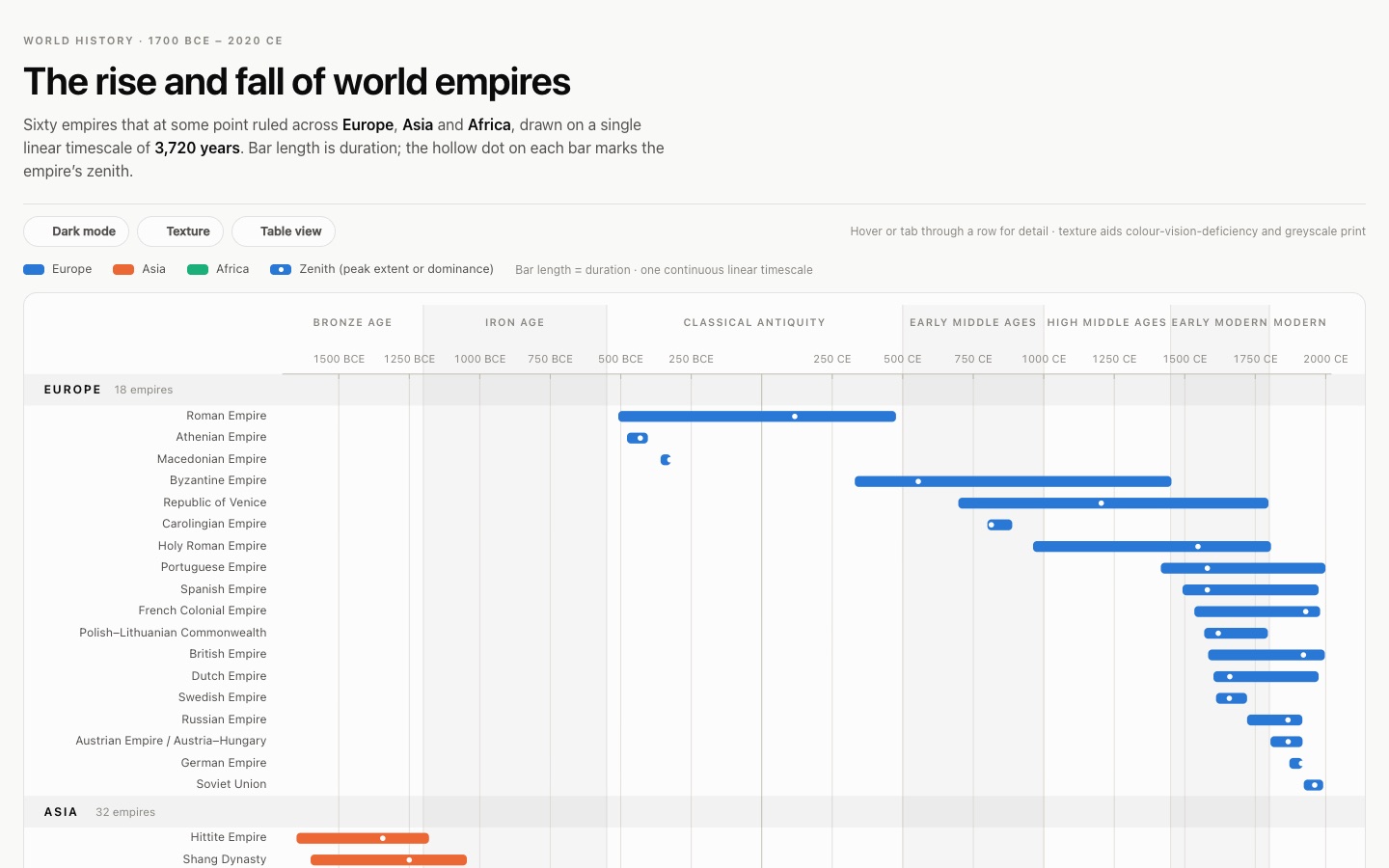
You are a code expert. Please use your professional knowledge to generate accurate and professional responses. Make sure the code you generate is executable when possible. Write an HTML file that draws a Gantt chart depicting the rise and fall of world empires spanning across Europe, Asia, and Africa.
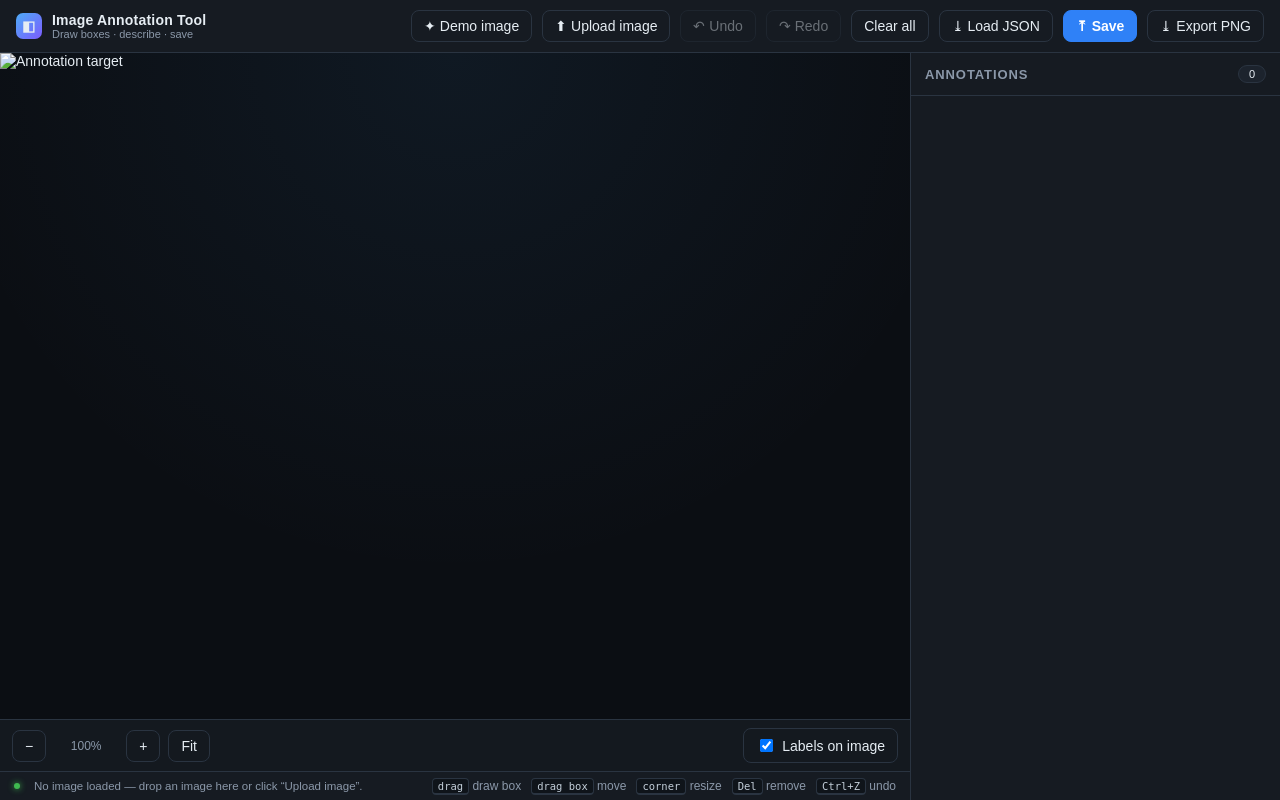
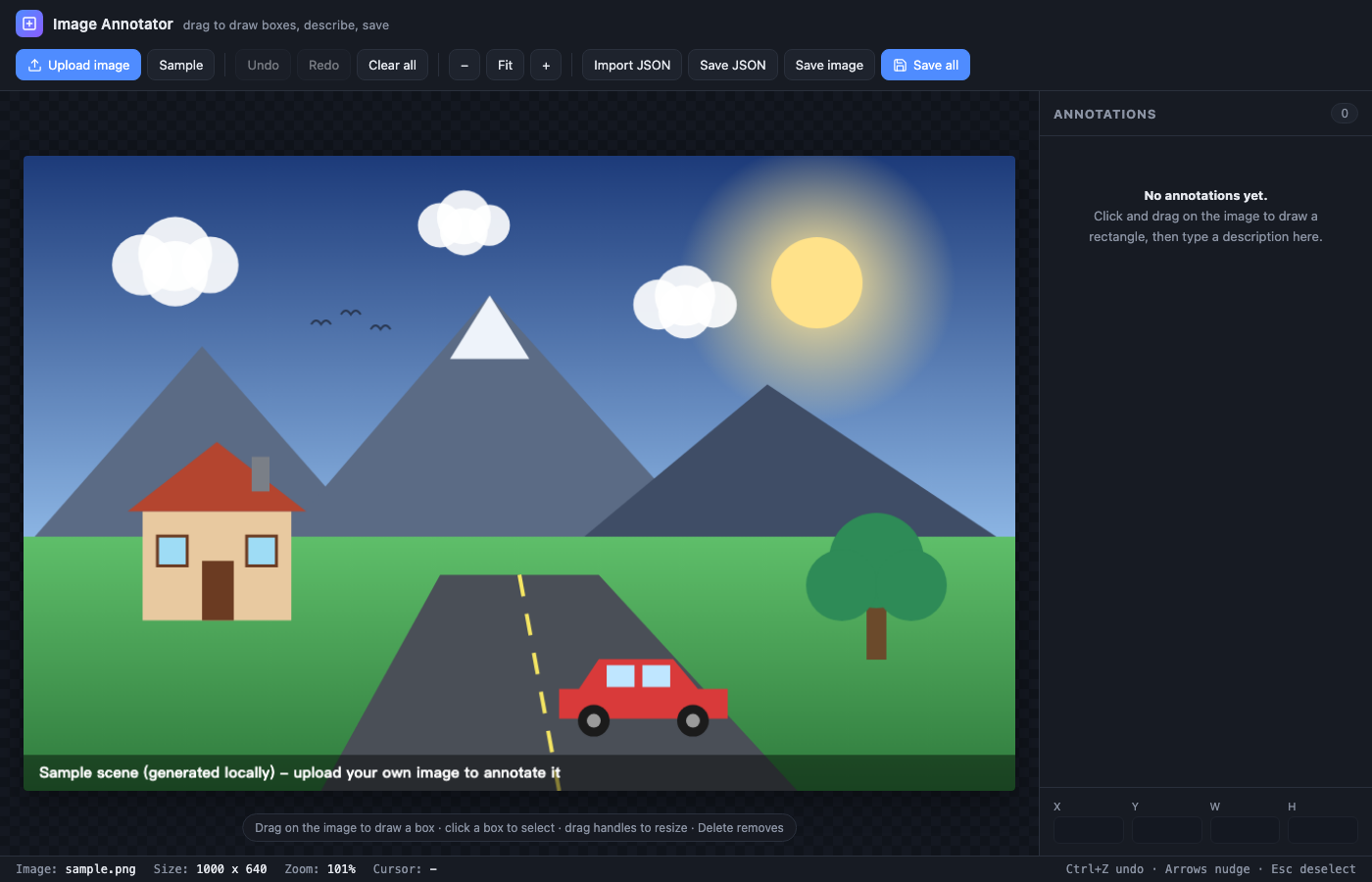
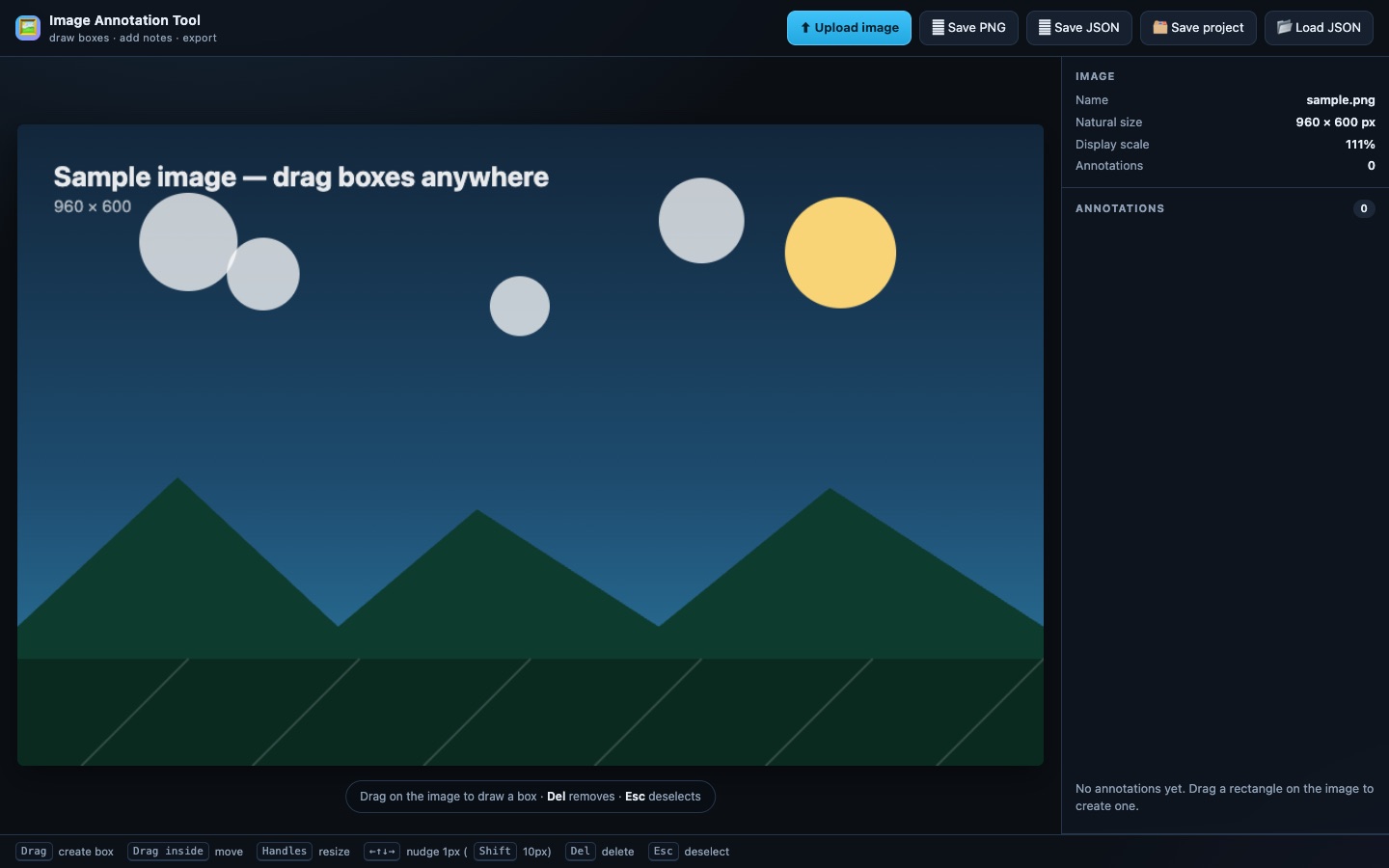
You are a code expert. Please use your professional knowledge to generate accurate and professional responses. Make sure that the generated code is executable for demonstration. Implement an image annotation tool where users can upload images, drag to draw rectangular annotation boxes at specified positions on the image, and write descriptive text for each annotation box. Finally, users should be able to save both the image and annotation information.
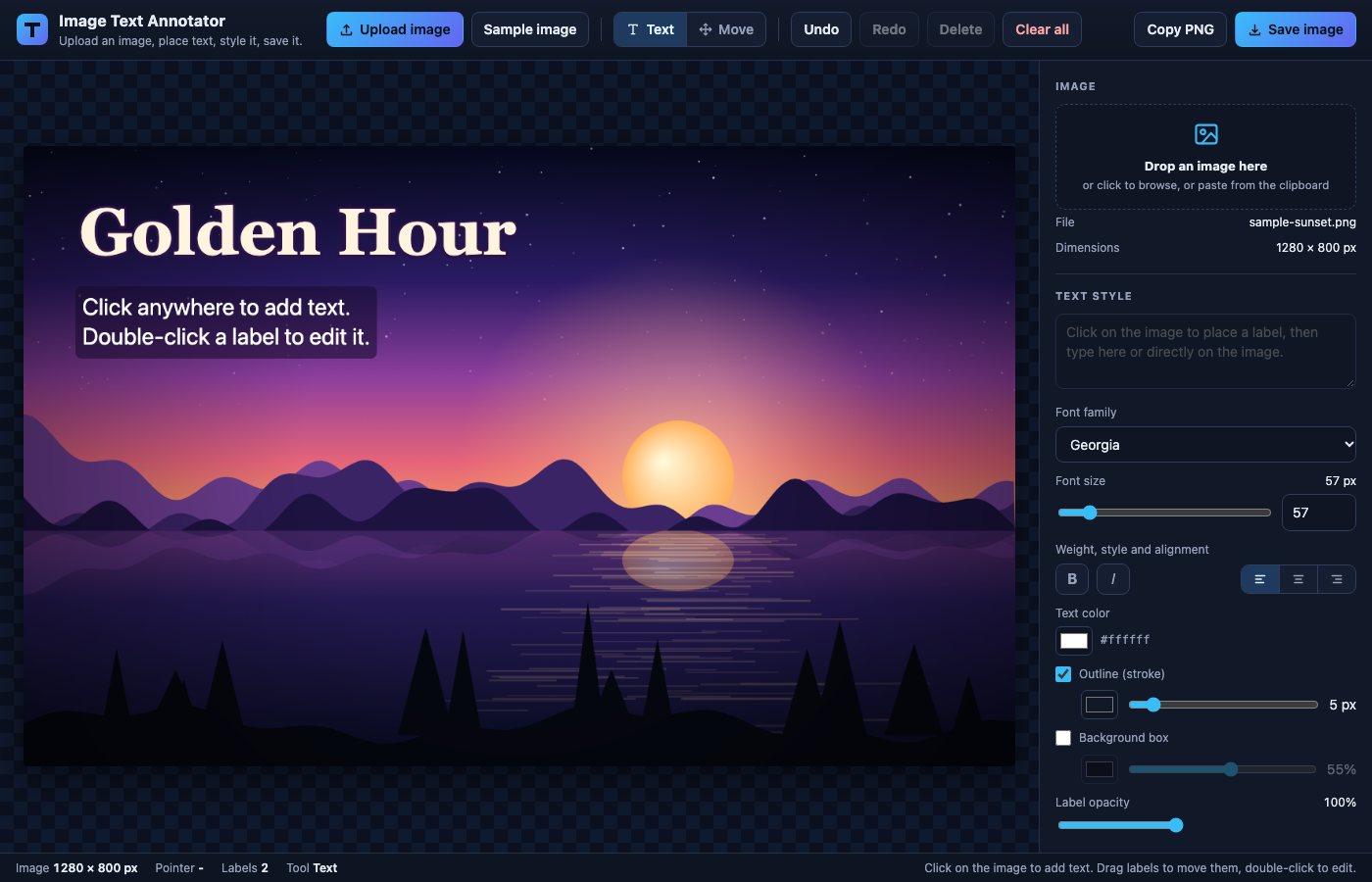
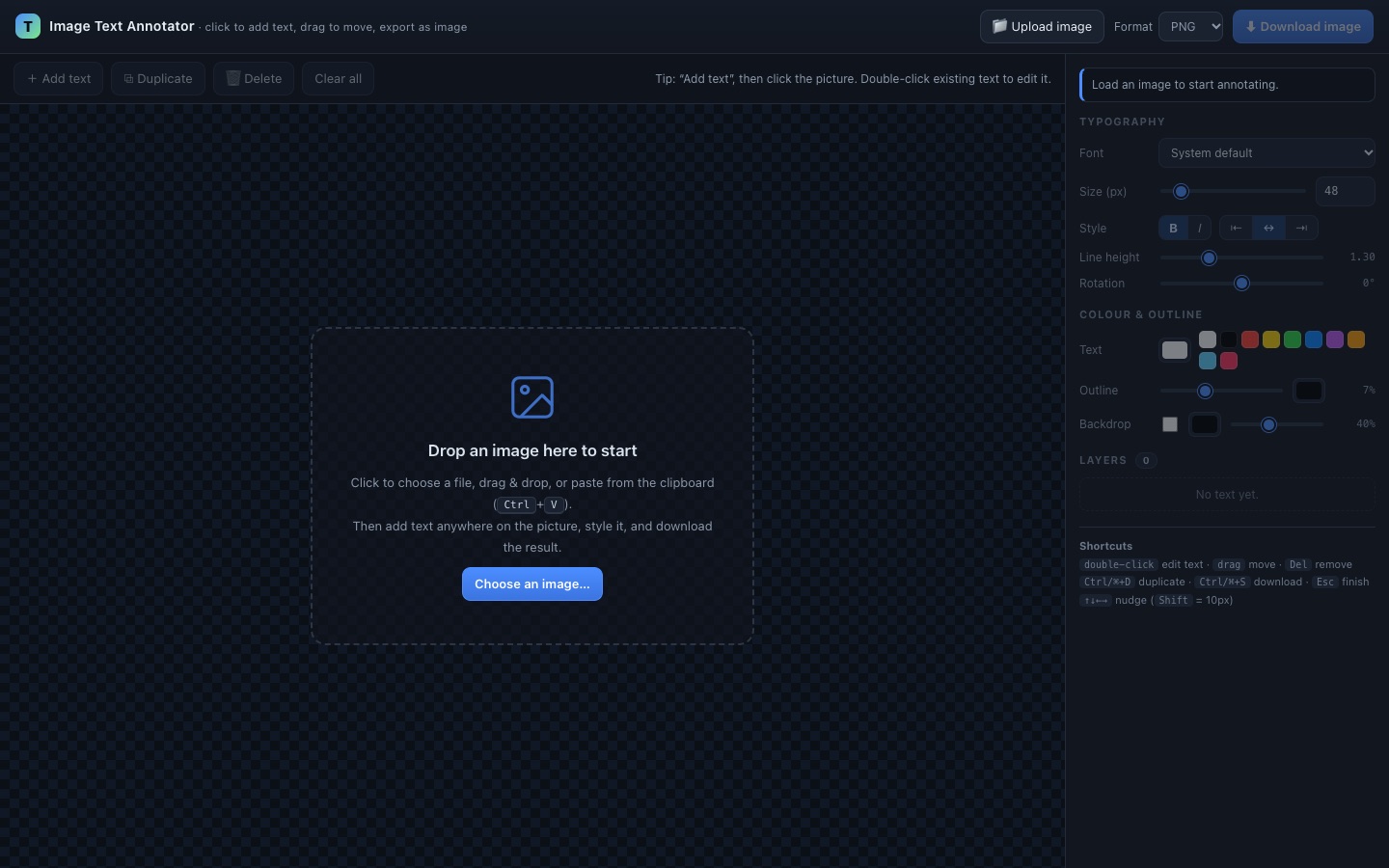
You are a code expert. Please use your professional knowledge to generate accurate, expert responses. Be sure to ensure that the generated code is executable for demonstration purposes. Develop a front-end project with image text annotation functionality. After users upload an image, they should be able to input text at specified positions on the image, with options to set font, color, and size. When the input is complete, users should be able to save the image with the added text to their local device.
You are a code expert. Please use your professional knowledge to generate accurate and professional responses. Try to ensure the generated code is executable for demonstration.

======== Role ========
You are an experienced code expert. You are provided with a software development requirement description and asked to generate project code according to this requirement. Strictly follow the rules to help users generate complete project code that is fully commented in simple and easy-to-understand language. Don't output anything else.

======== Output Rules ========
1. Always generate complete, runnable project code; please ensure the project is fully executable
2. Ensure all code files you output are complete, do not omit any code
3. Carefully review and check all code before final output, evaluating its executability. If the code cannot be executed or contains errors, it needs to be regenerated
4. If the requirements involve external API access or need to use user data (images, videos, audio, etc.), please provide simulated data

======== Project Requirements ========
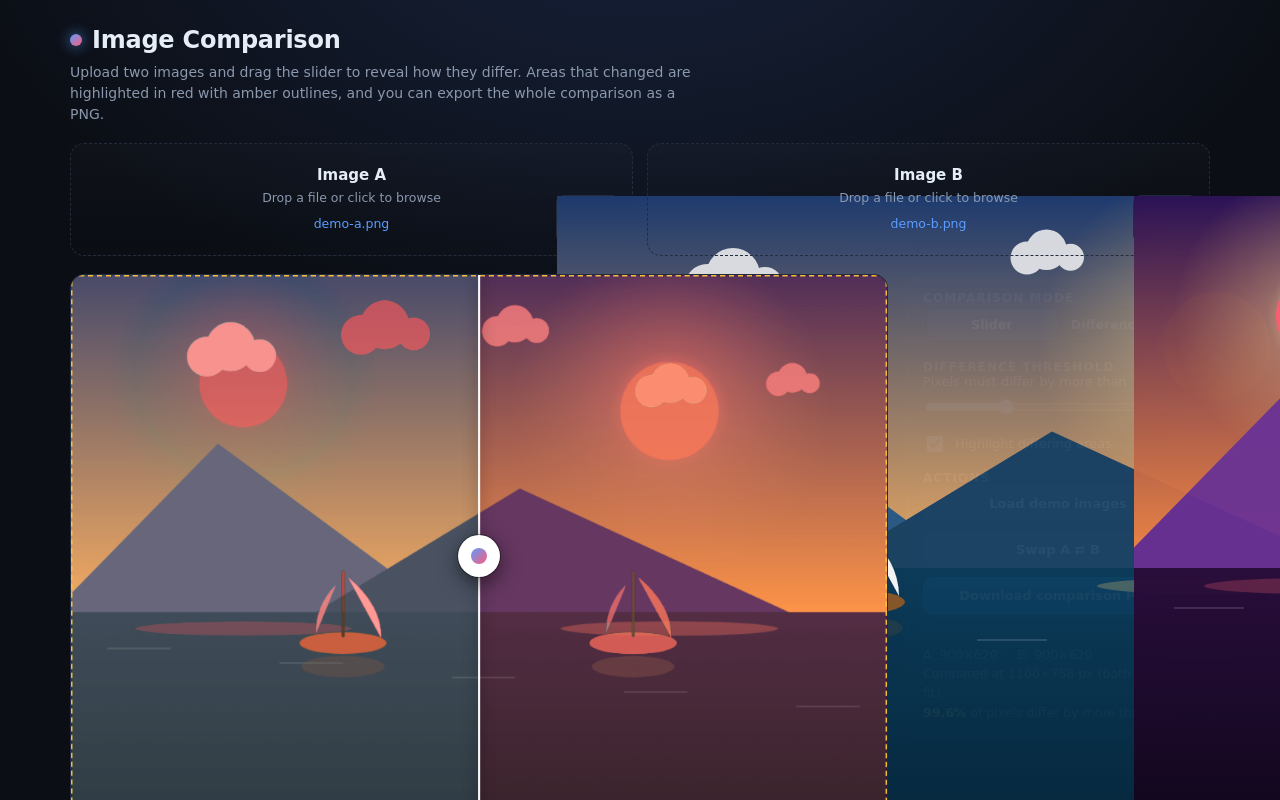
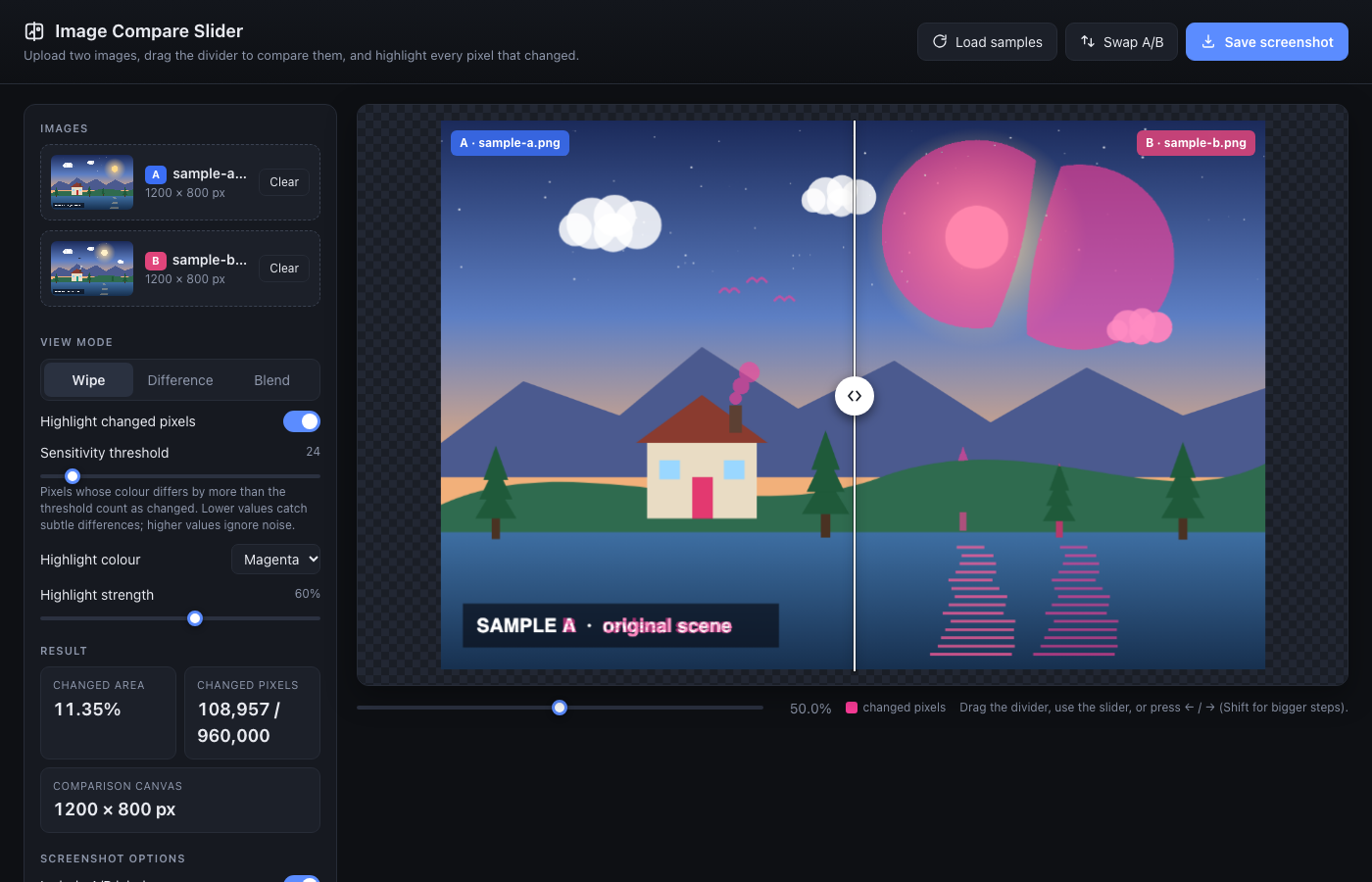
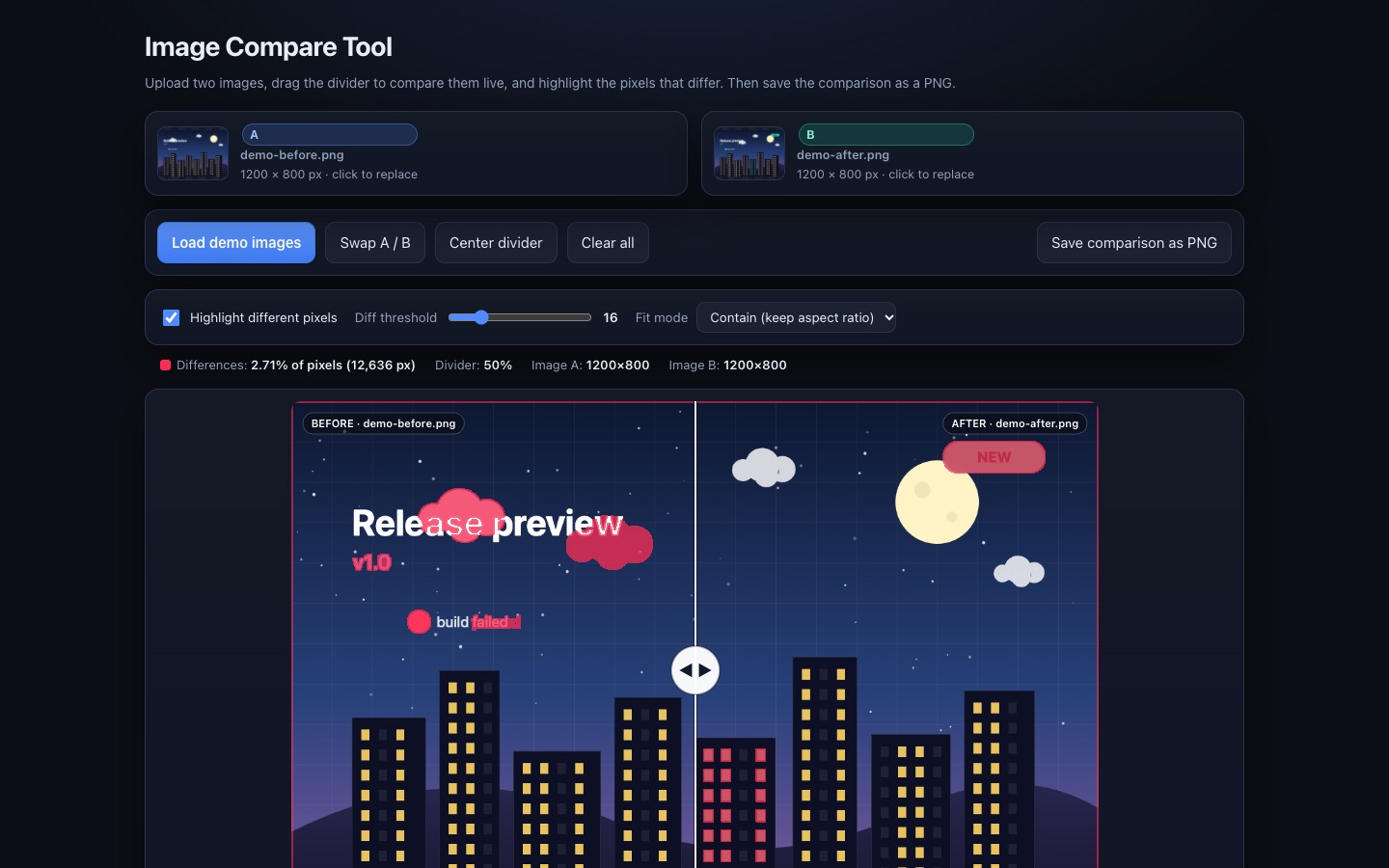
Implement an image comparison tool where, after a user uploads two images, they can use a horizontal slider to see real-time display of the different areas where the two images overlap. After completion, provide a save function for the comparison screenshot.
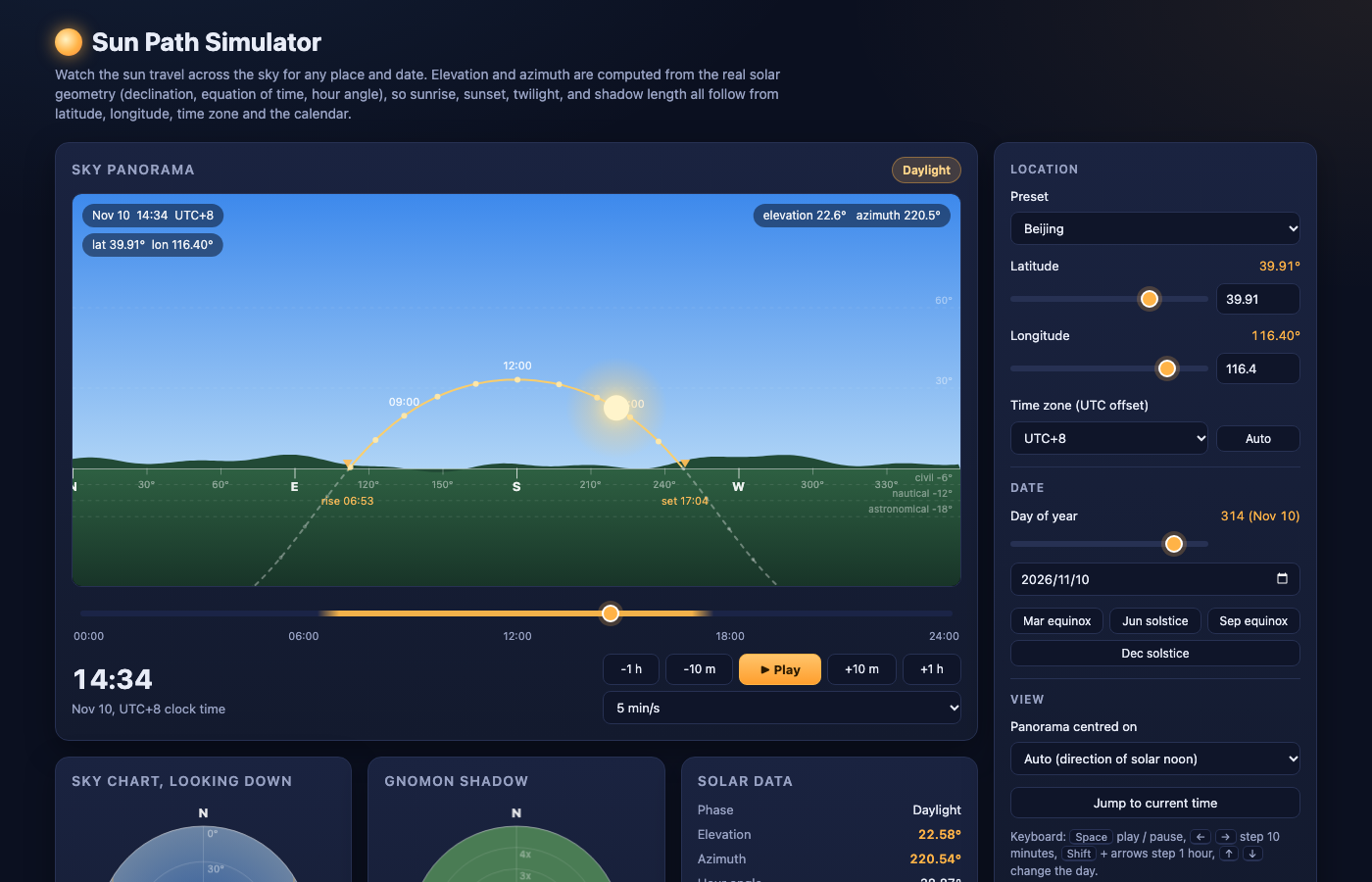
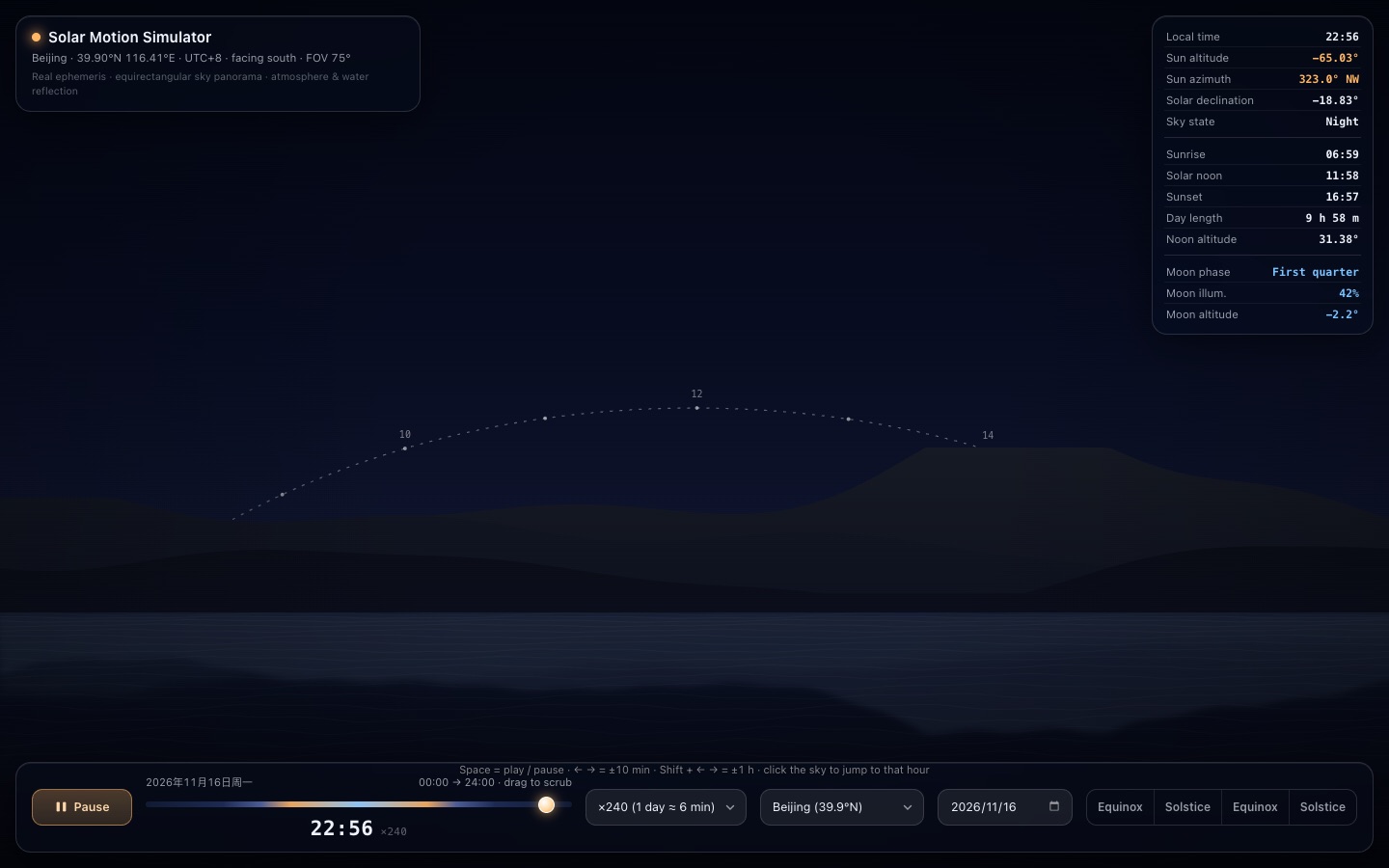
You are a code expert. Please use your professional knowledge to generate accurate and professional responses. Make sure the code you generate is executable whenever possible. Create a frontend program that simulates the movement of the sun.
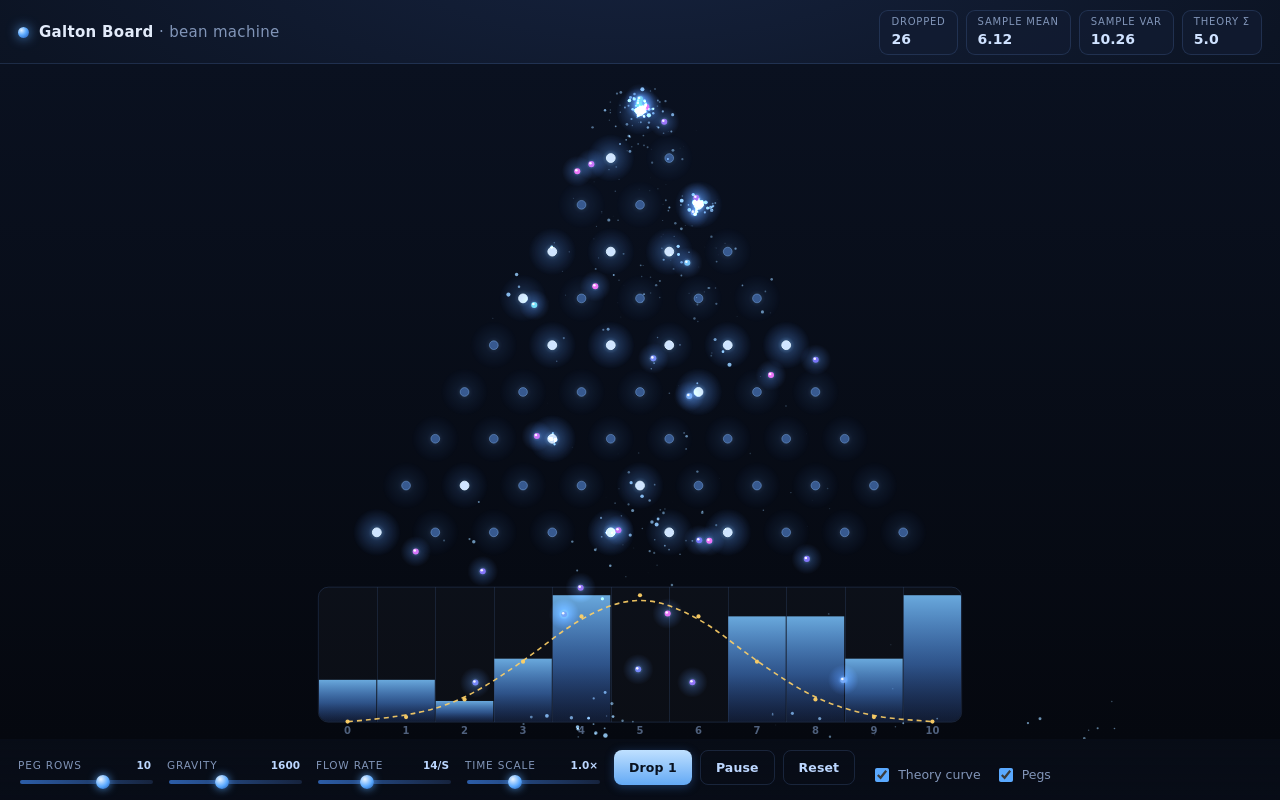
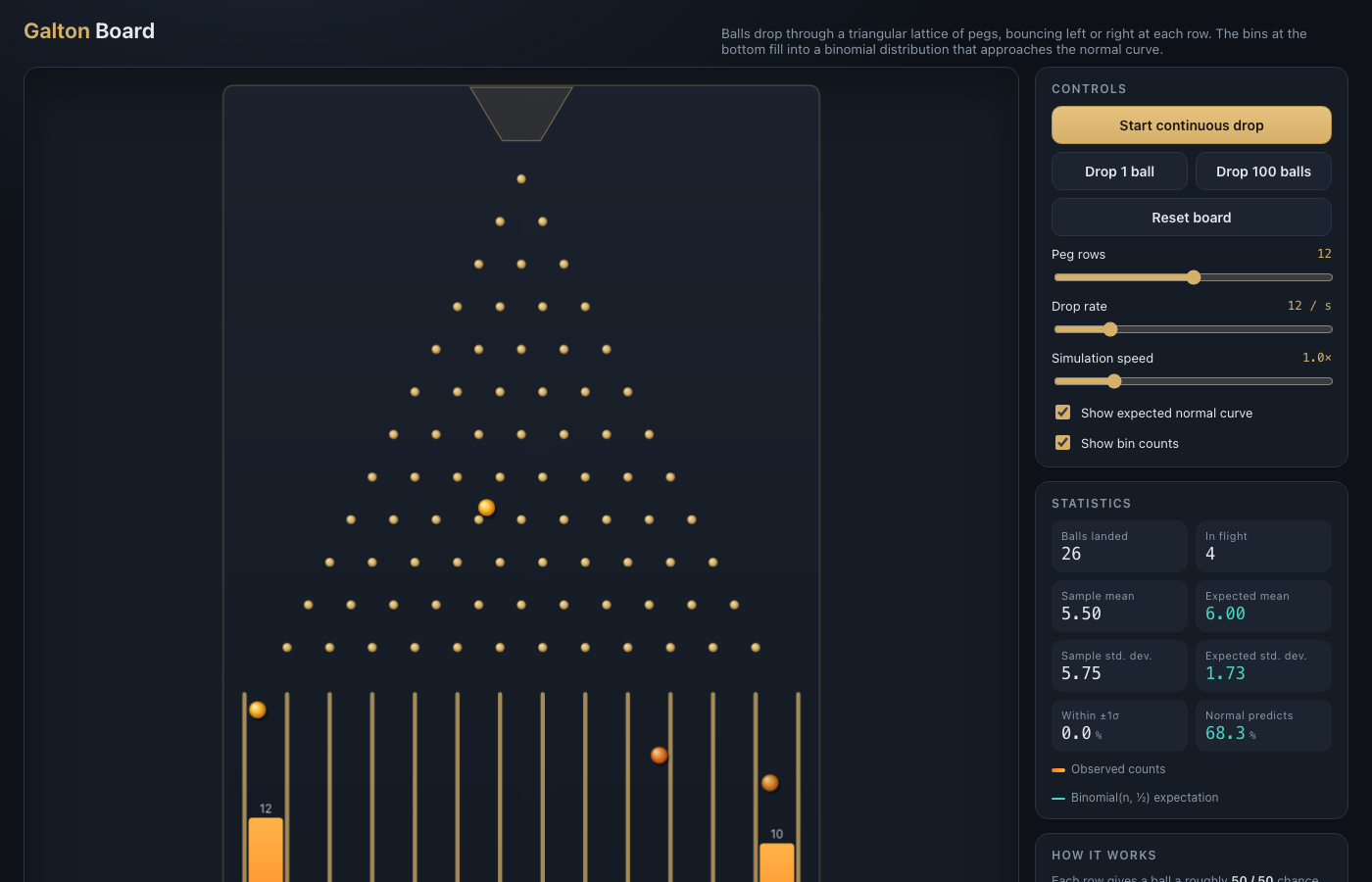
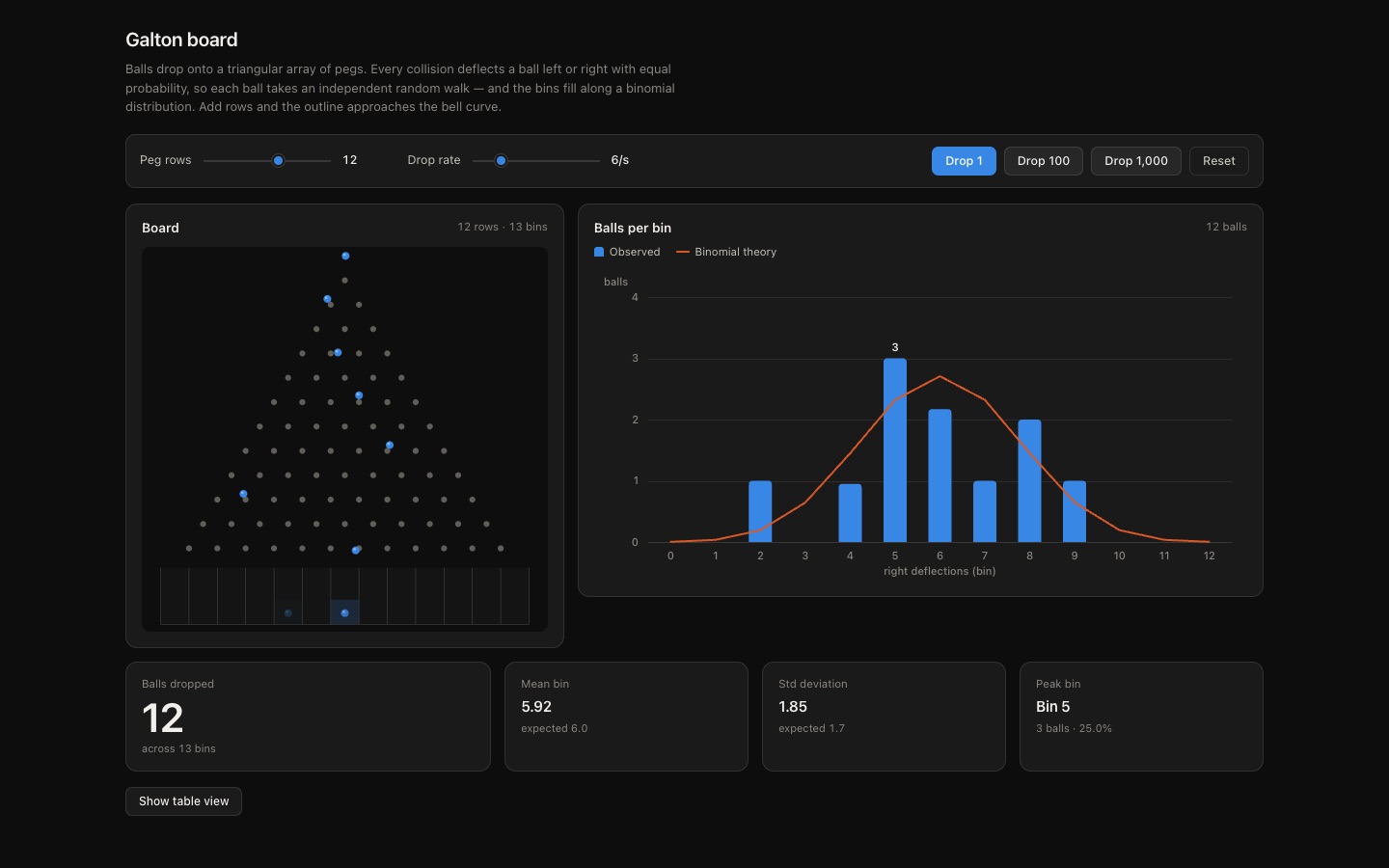
You are a code expert, please use your professional knowledge to generate accurate and professional responses. Make sure the generated code is executable for demonstration. Implement a Galton board program using HTML language.
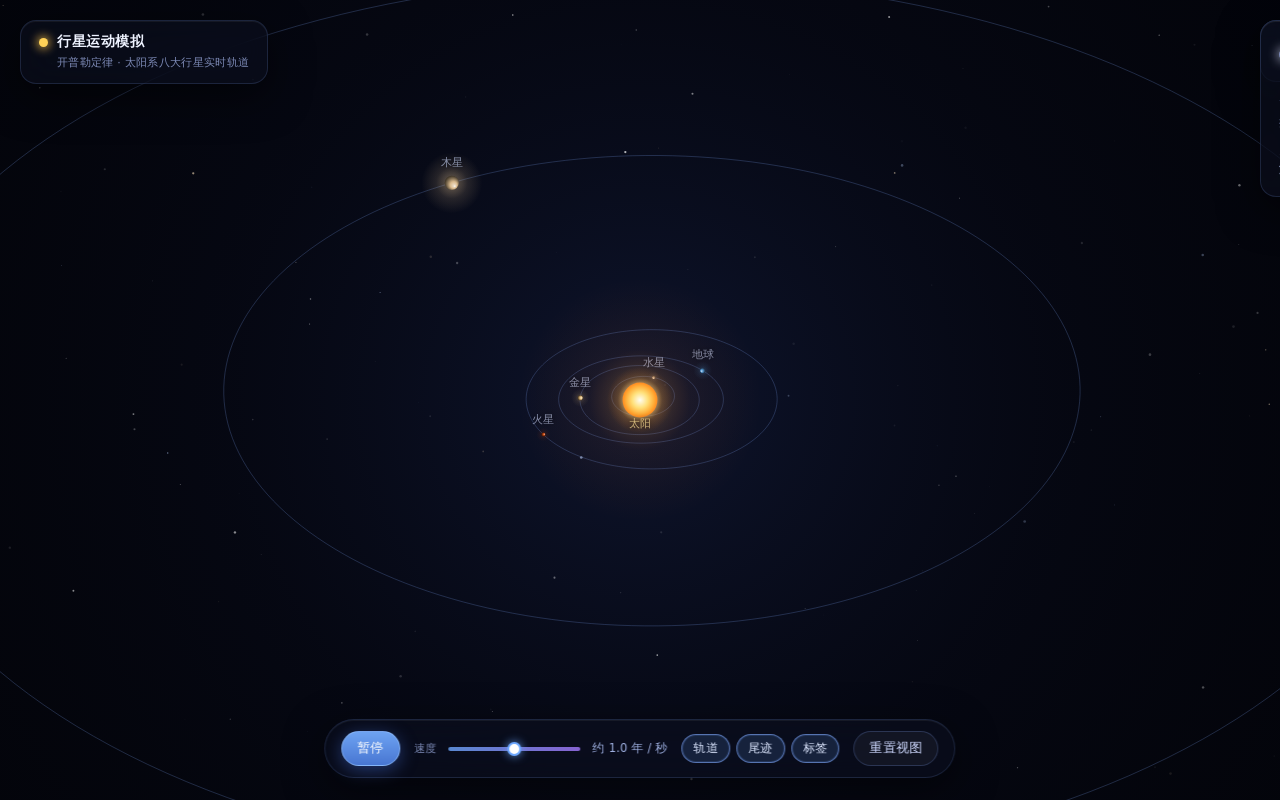
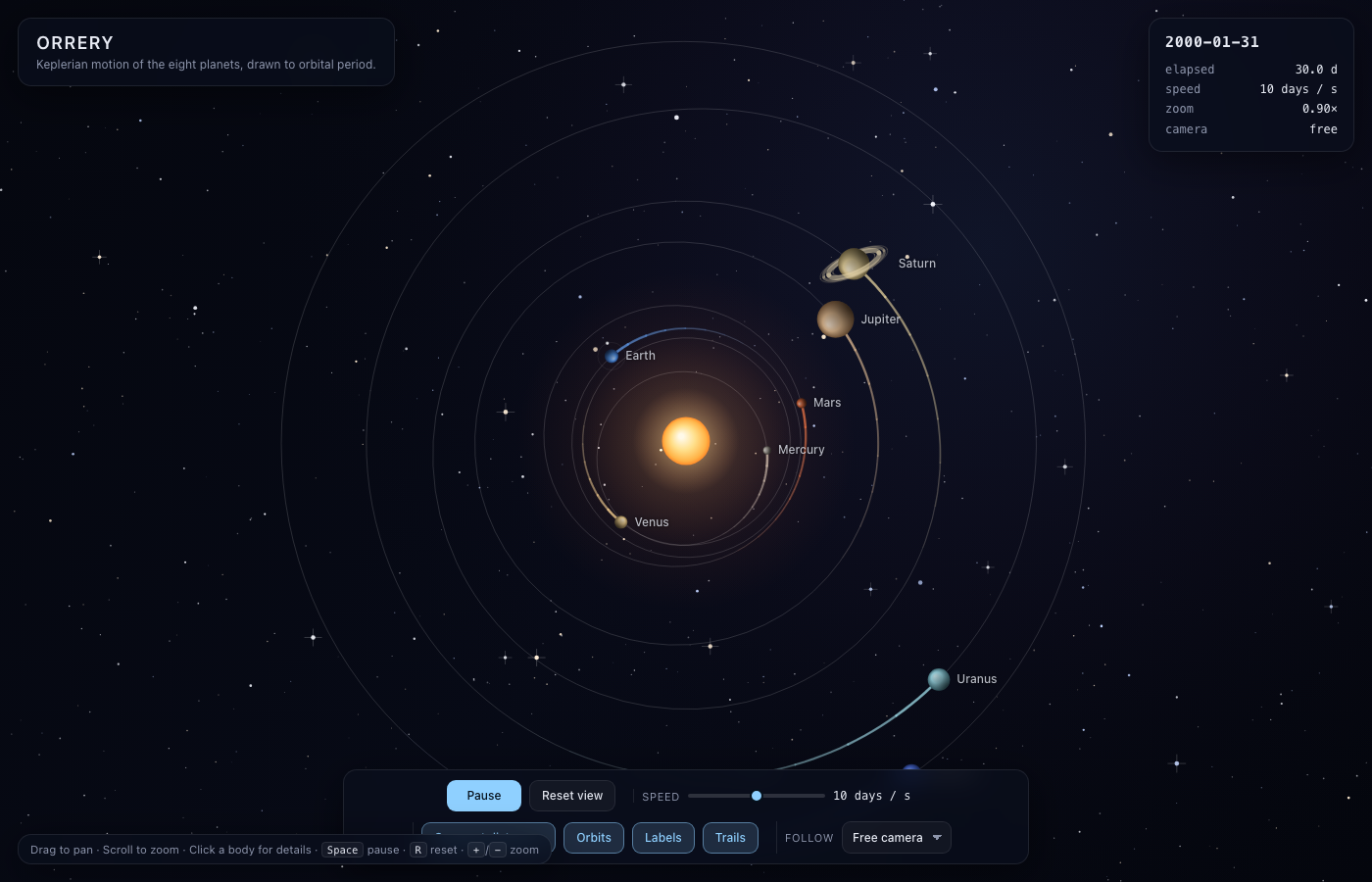
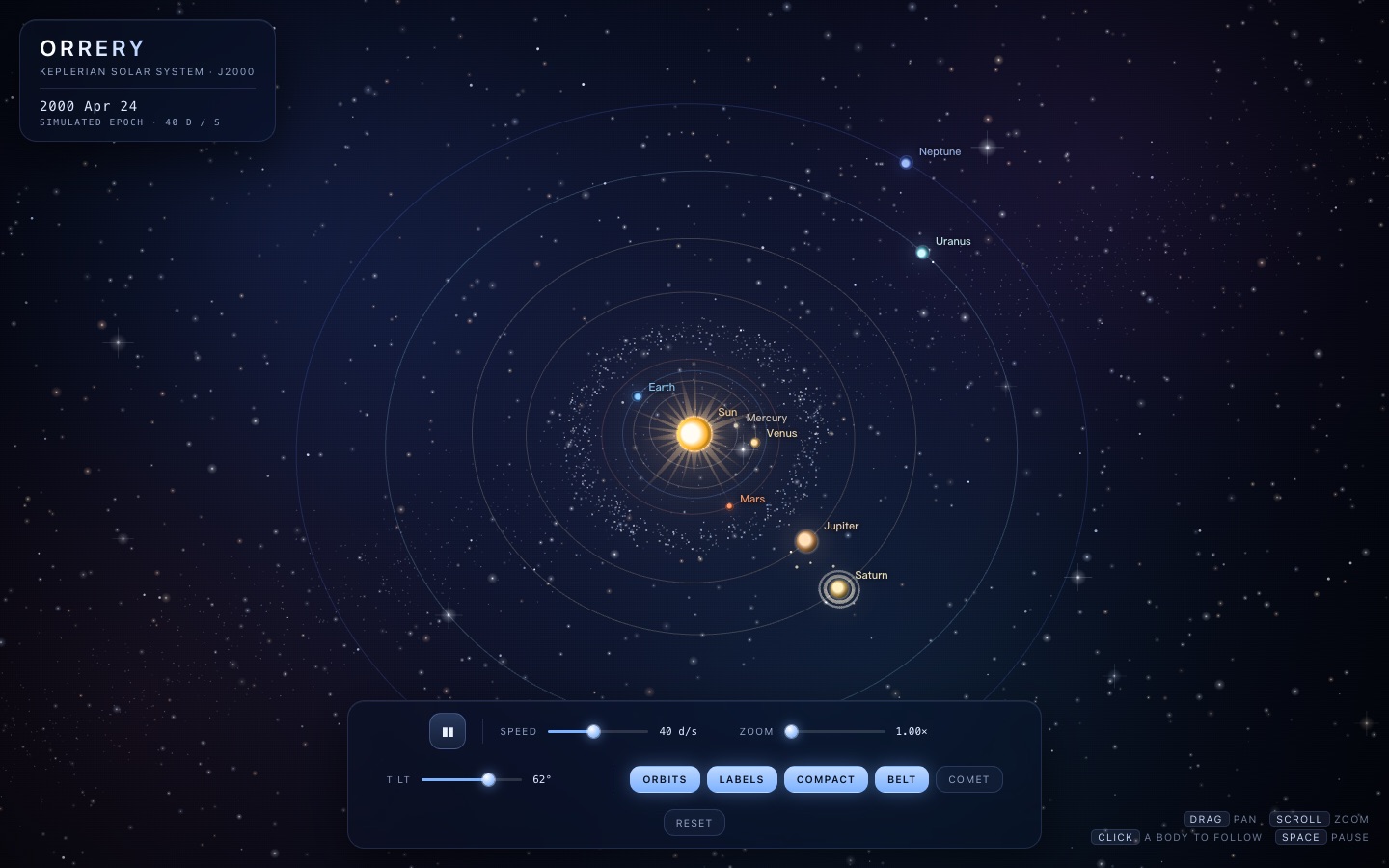
You are a code expert. Please use your professional knowledge to generate accurate and professional responses. Make sure the code you generate is executable and displayable. Help me write an aesthetically pleasing HTML program for a celestial planetary motion simulation.
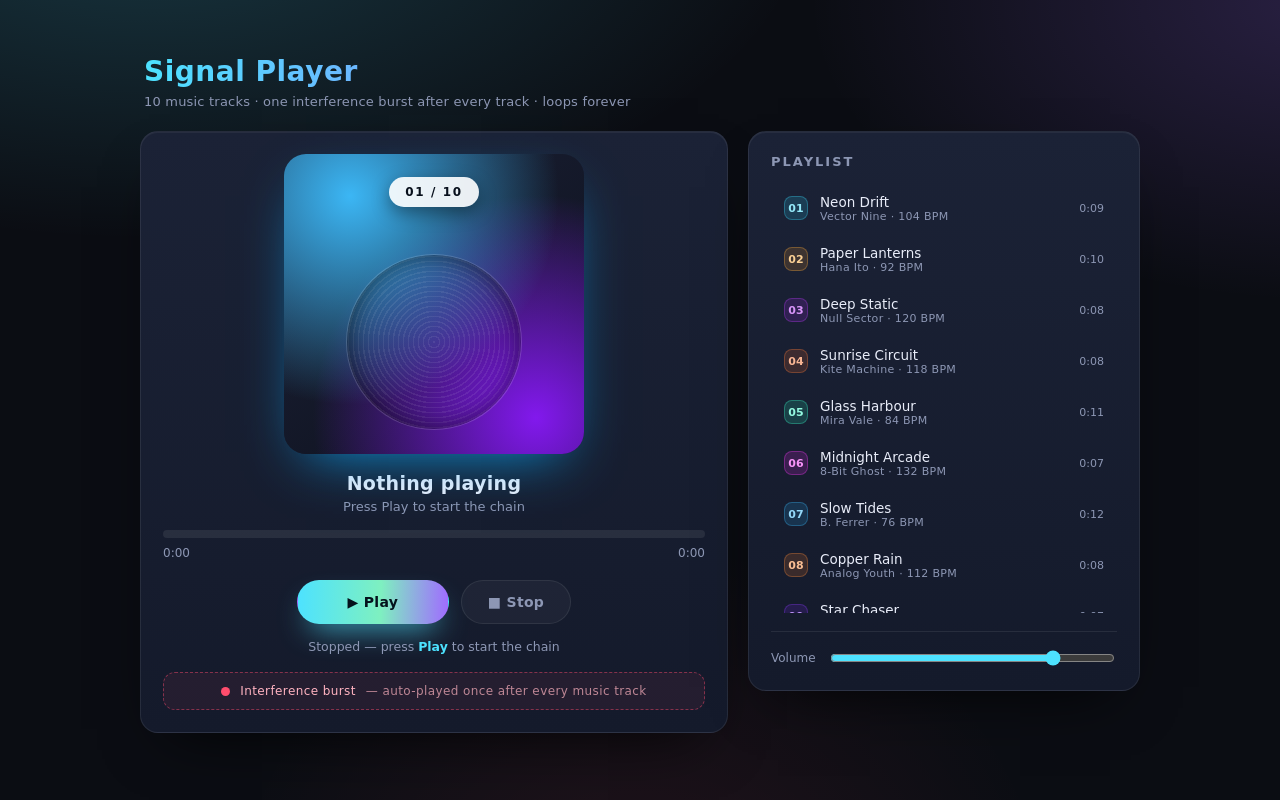
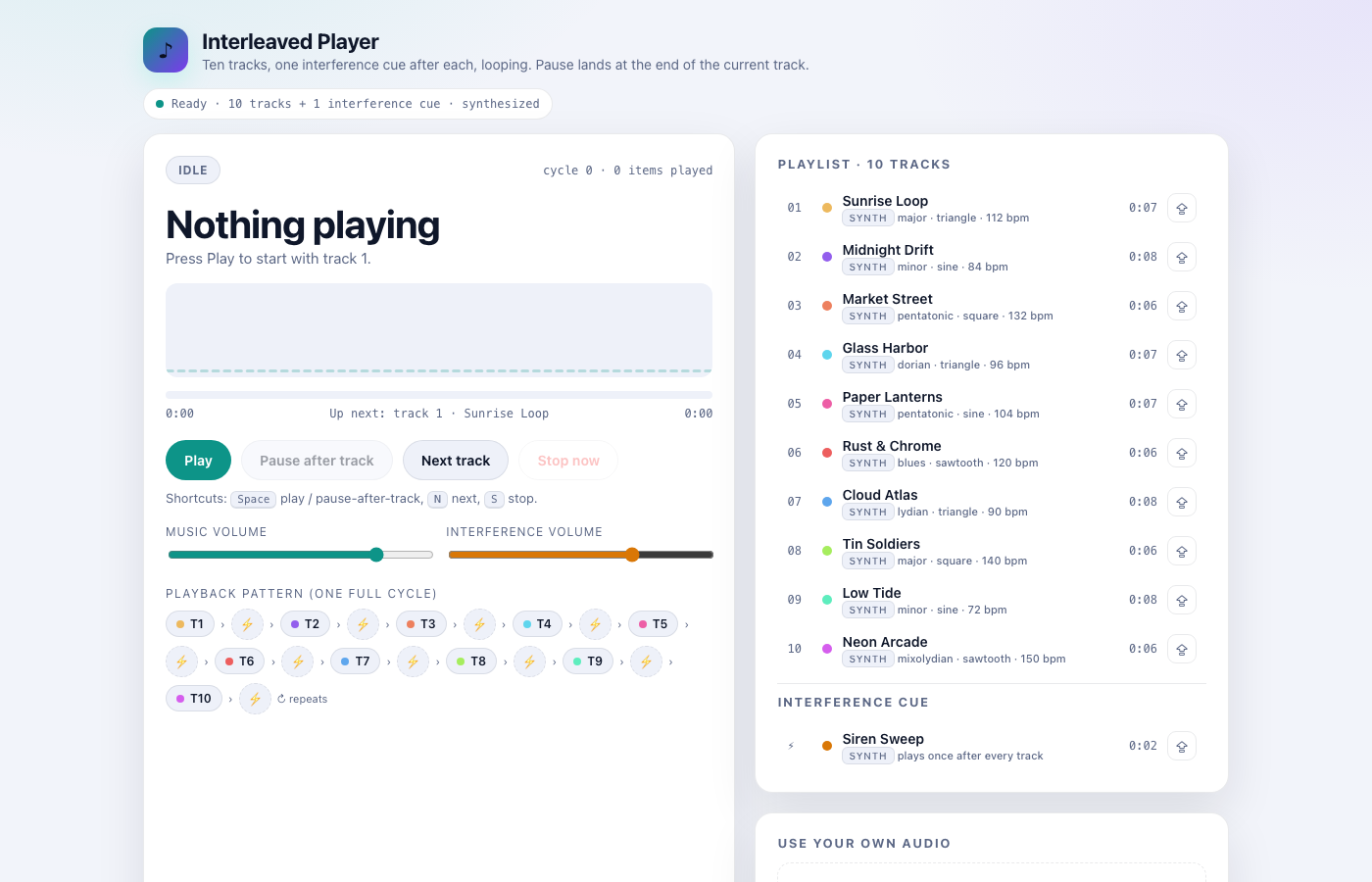
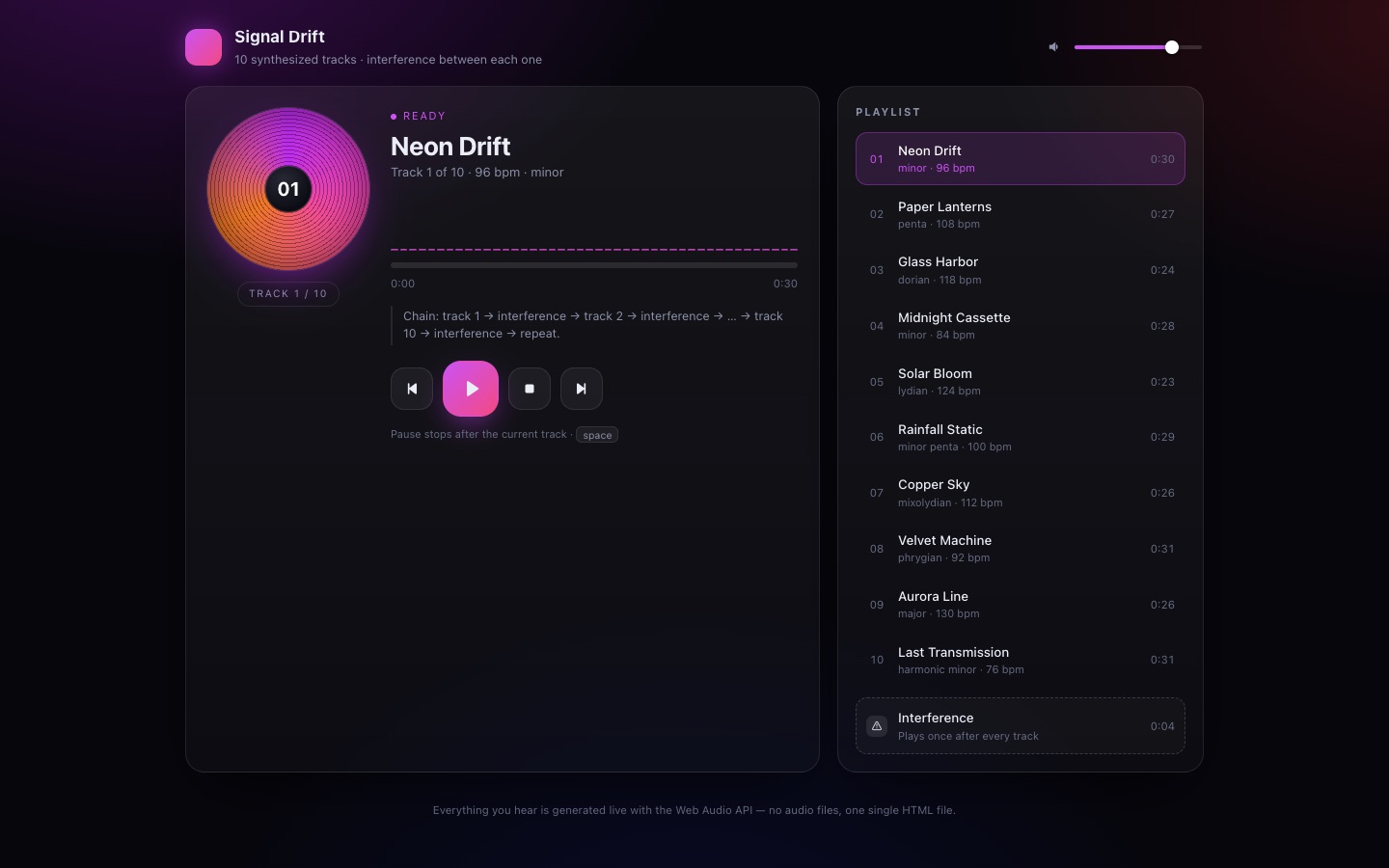
You are a code expert. Please use your professional knowledge to generate accurate and professional responses. Try to ensure that the generated code is executable. I need your help to write an HTML music player page. 1. It should be able to play 10 music tracks plus one interference audio. 2. After playing each music track, it will automatically play the interference audio once and then continue to the next music track, cycling through this pattern. 3. It also needs a pause button. When I press the pause button, the music won't stop immediately, but will pause after the current track finishes playing.
You are a code expert. Please use your professional knowledge to generate accurate and professional responses. Make sure that the code you generate is executable. Could you create a similar dynamic website based on an existing one, and provide me with the source code? If you're confident you can do this, I'll share the website with you. How does that sound?
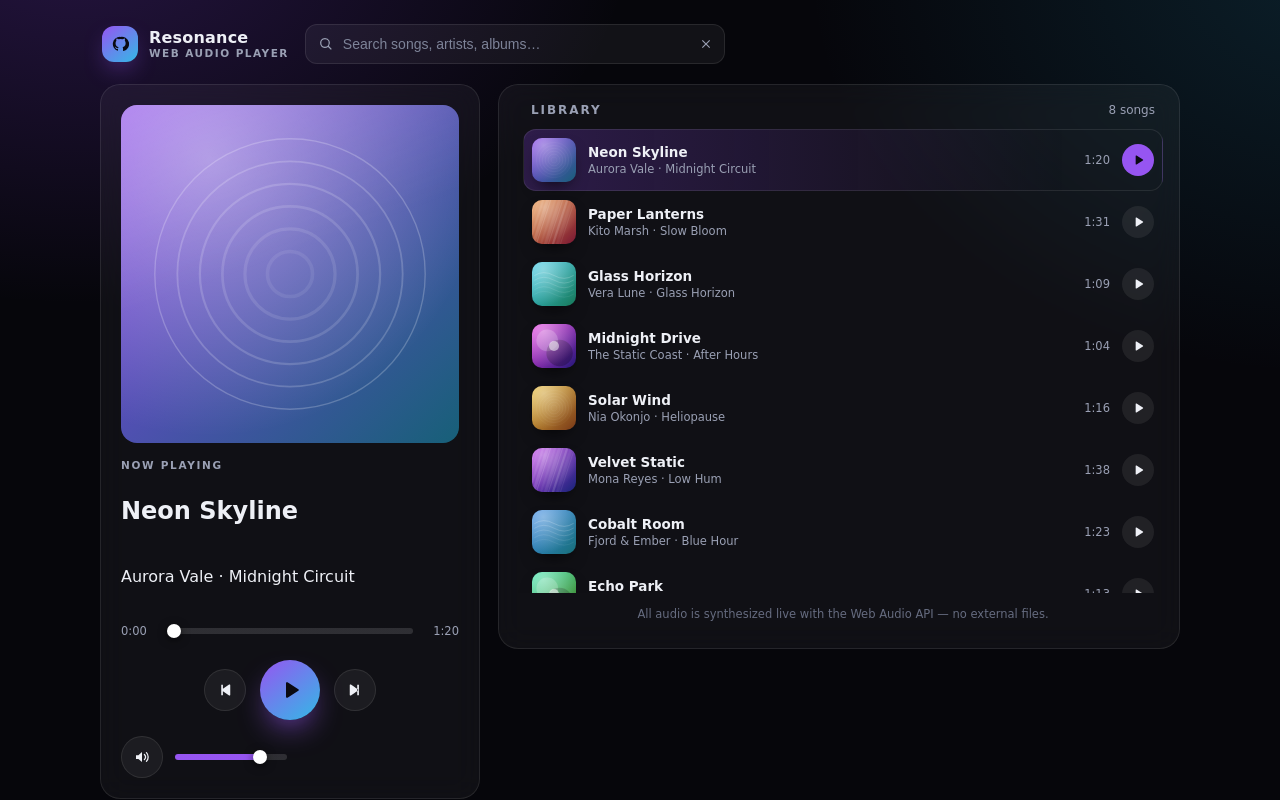
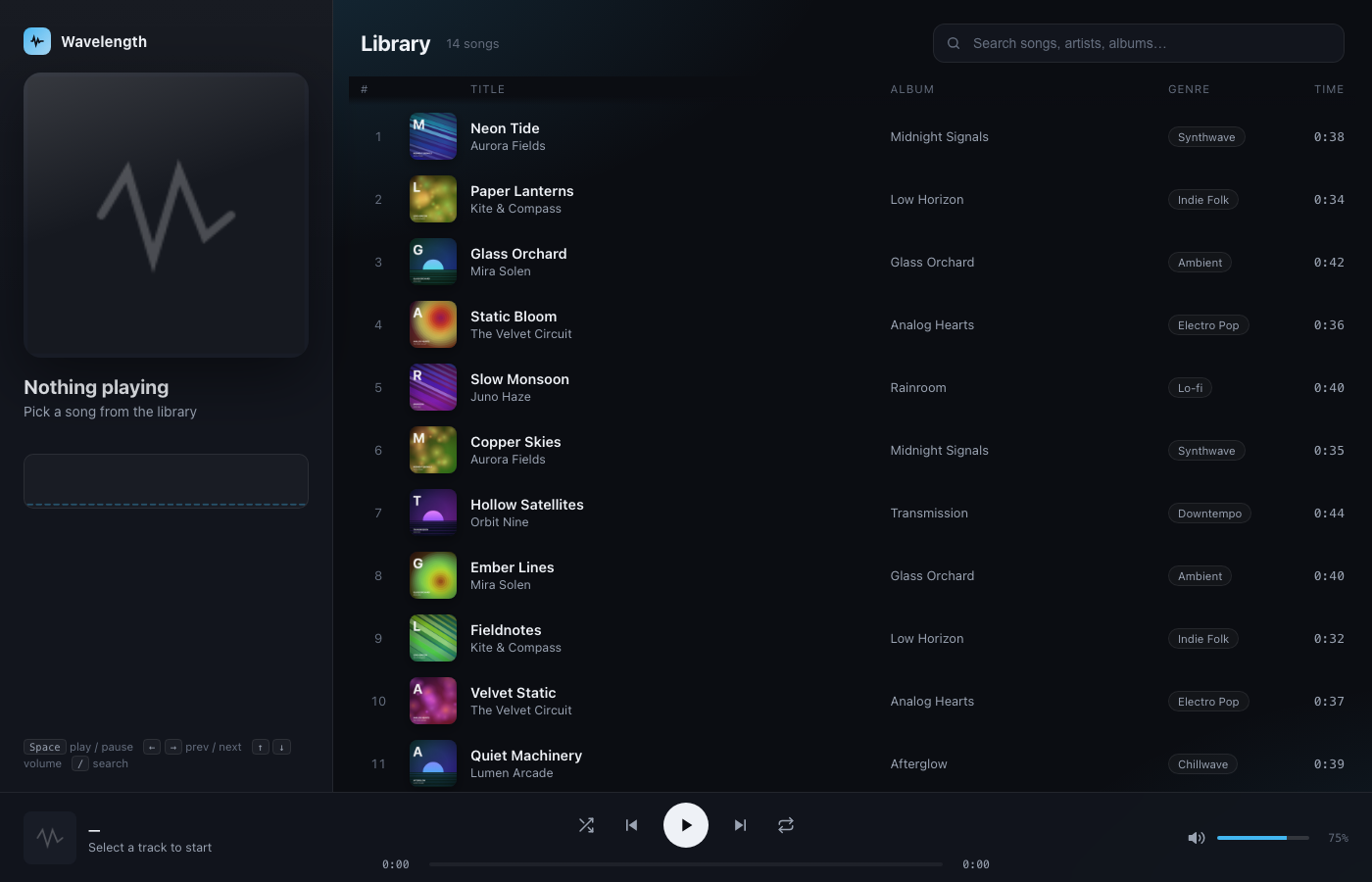
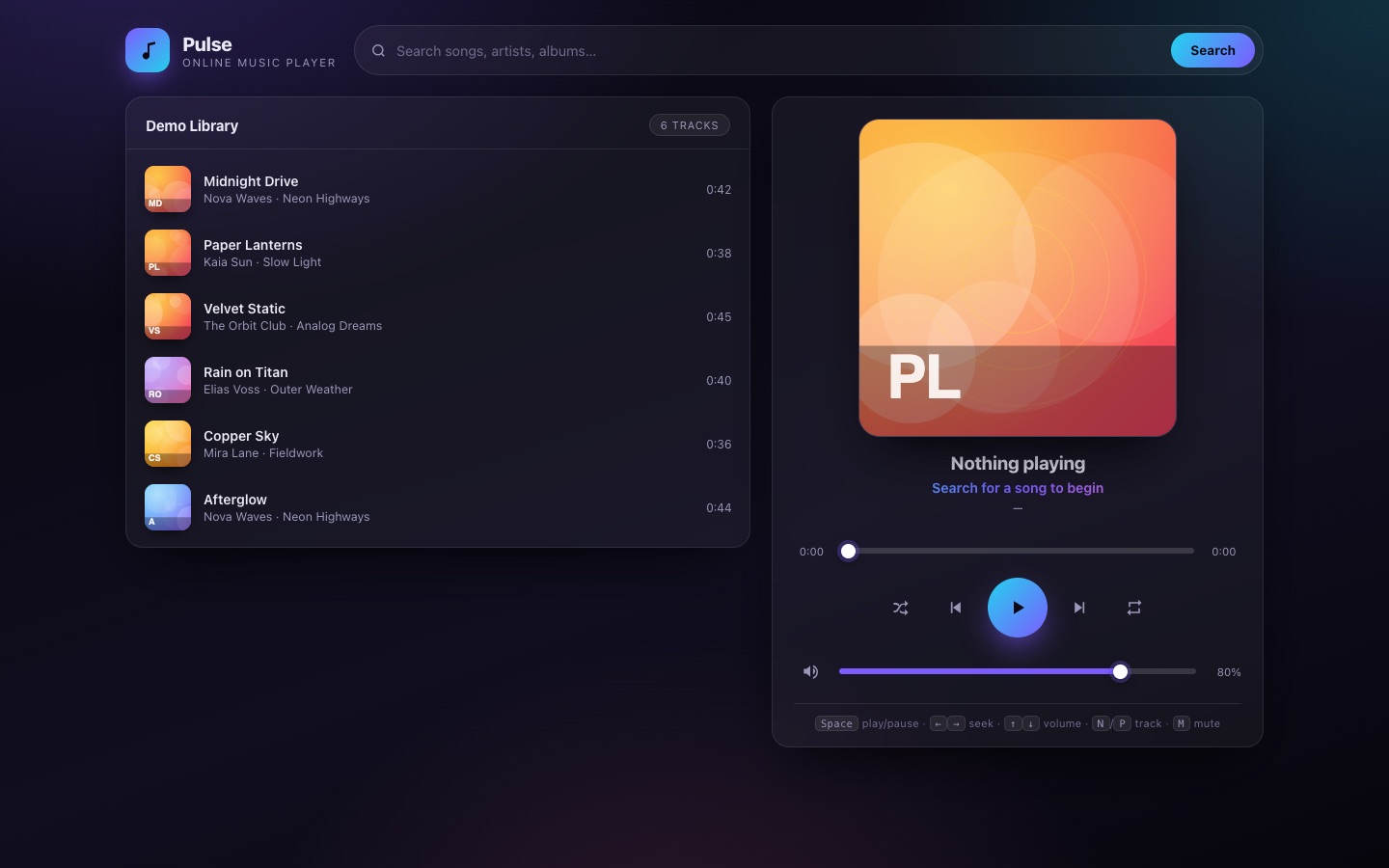
You are a code expert. Please use your professional knowledge to generate accurate and professional responses. Make sure the code you generate is executable and can be displayed. Create an online music player that allows users to search for songs and play them. The player should display song titles, artists, and album covers. It should support play, pause, previous, and next functions, and include a volume control slider.
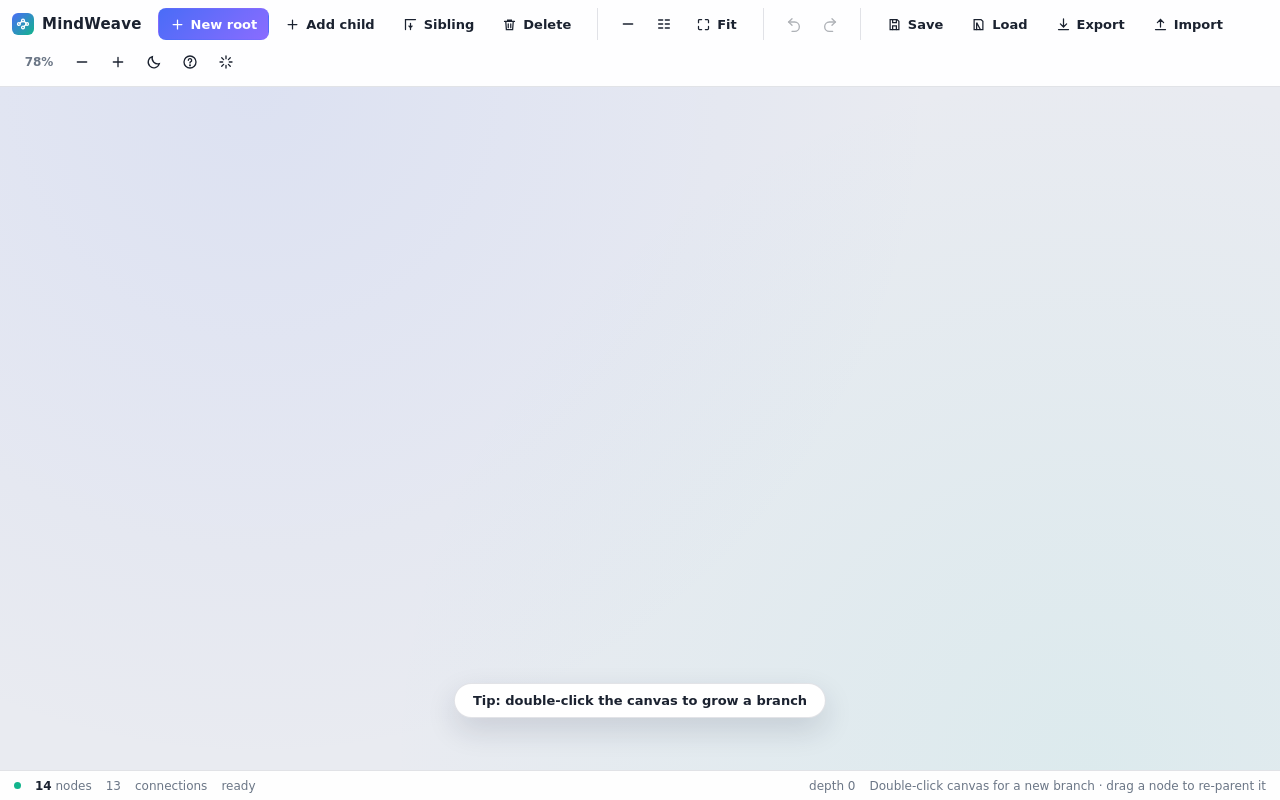
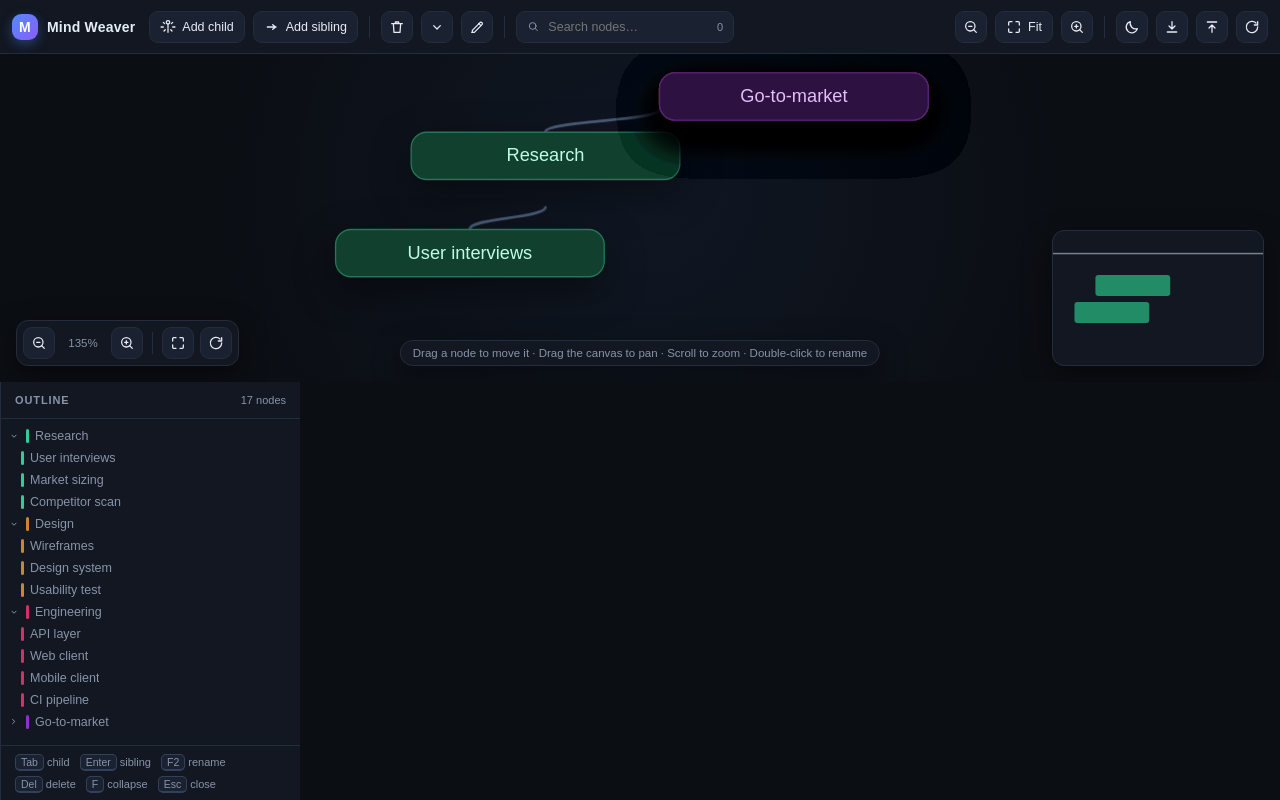
You are a code expert. Please use your professional knowledge to generate accurate, professional responses. Make sure that any code you generate is executable and can be demonstrated. Create an online-editable mind map.
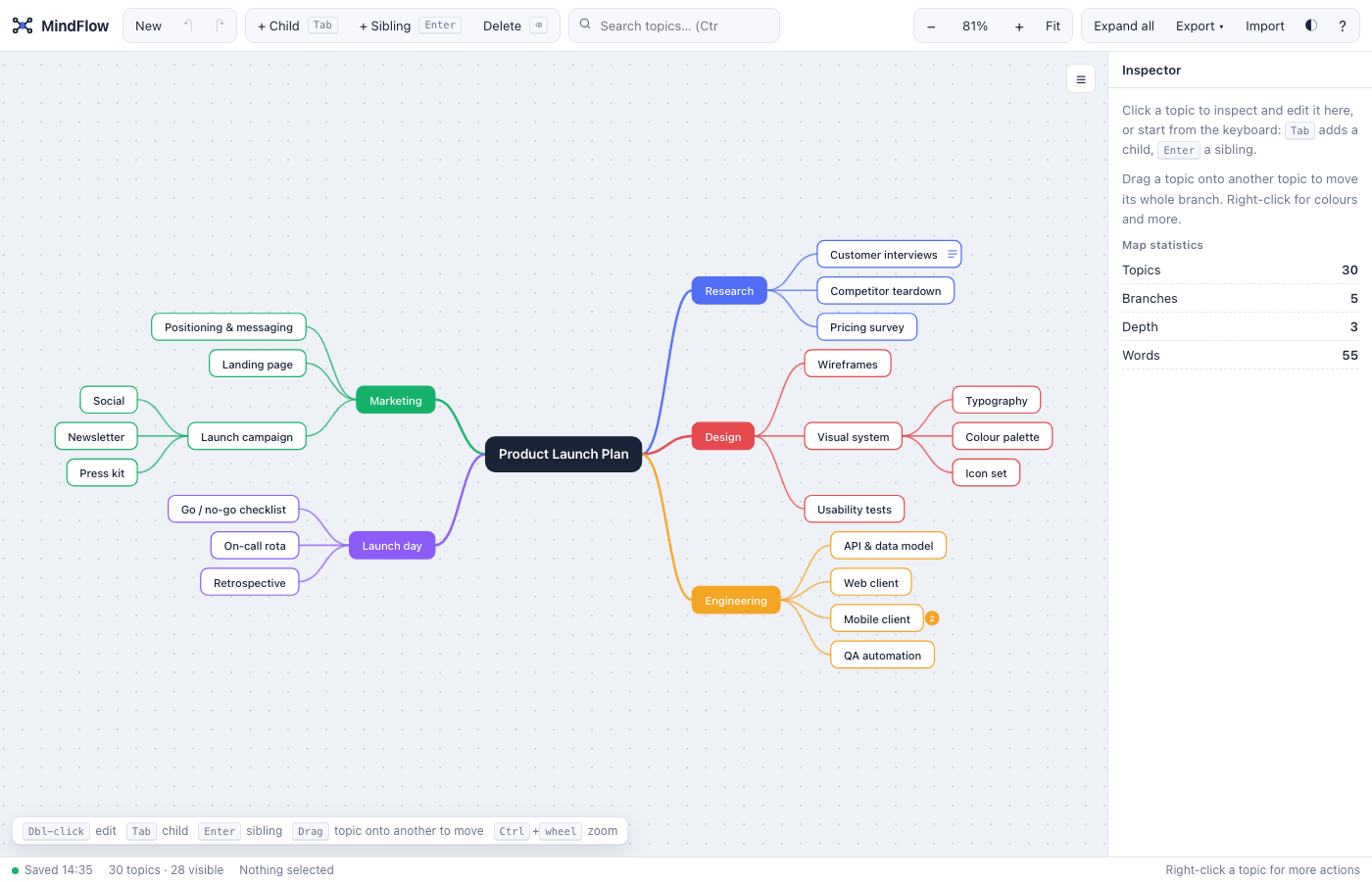
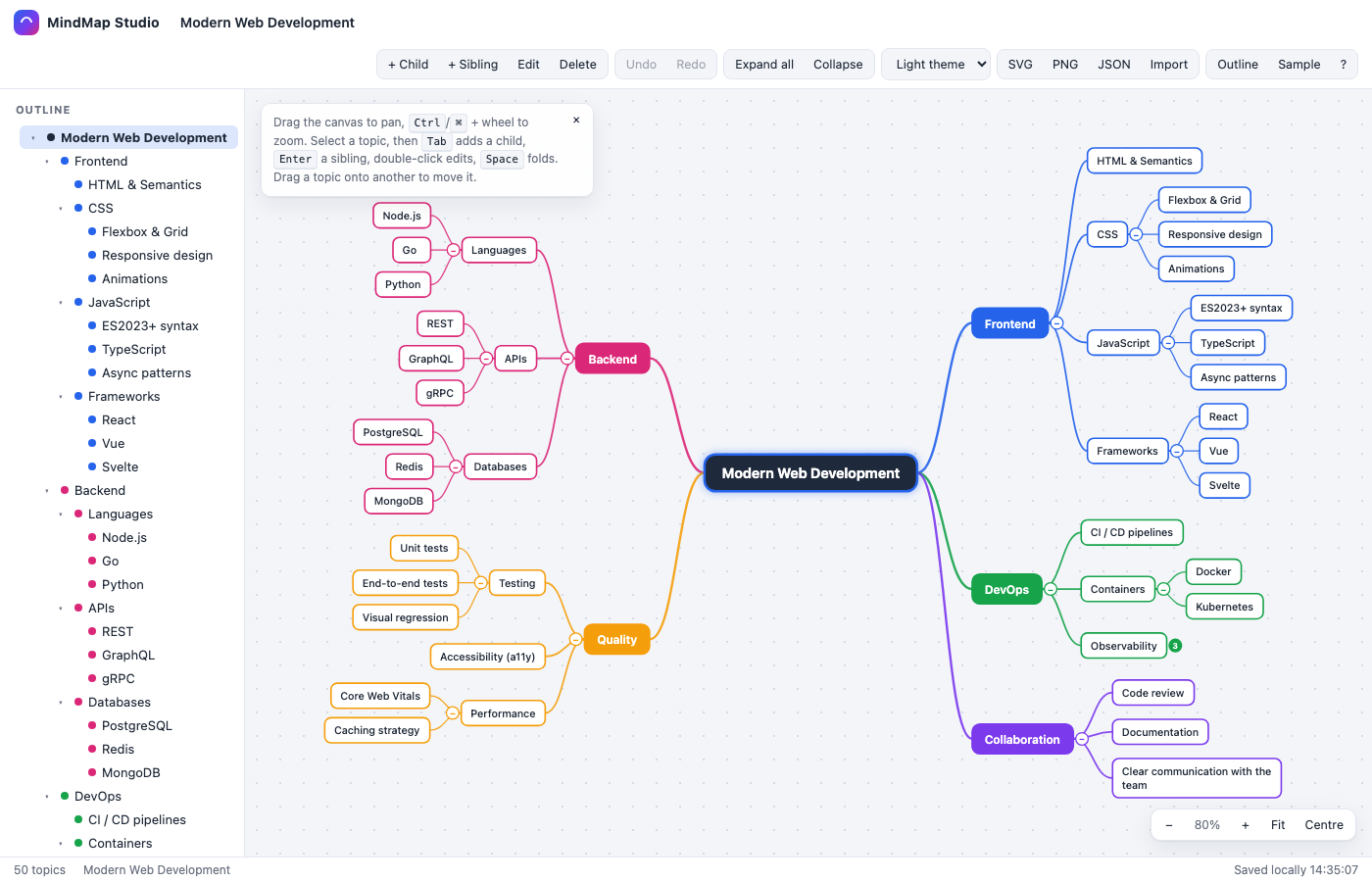
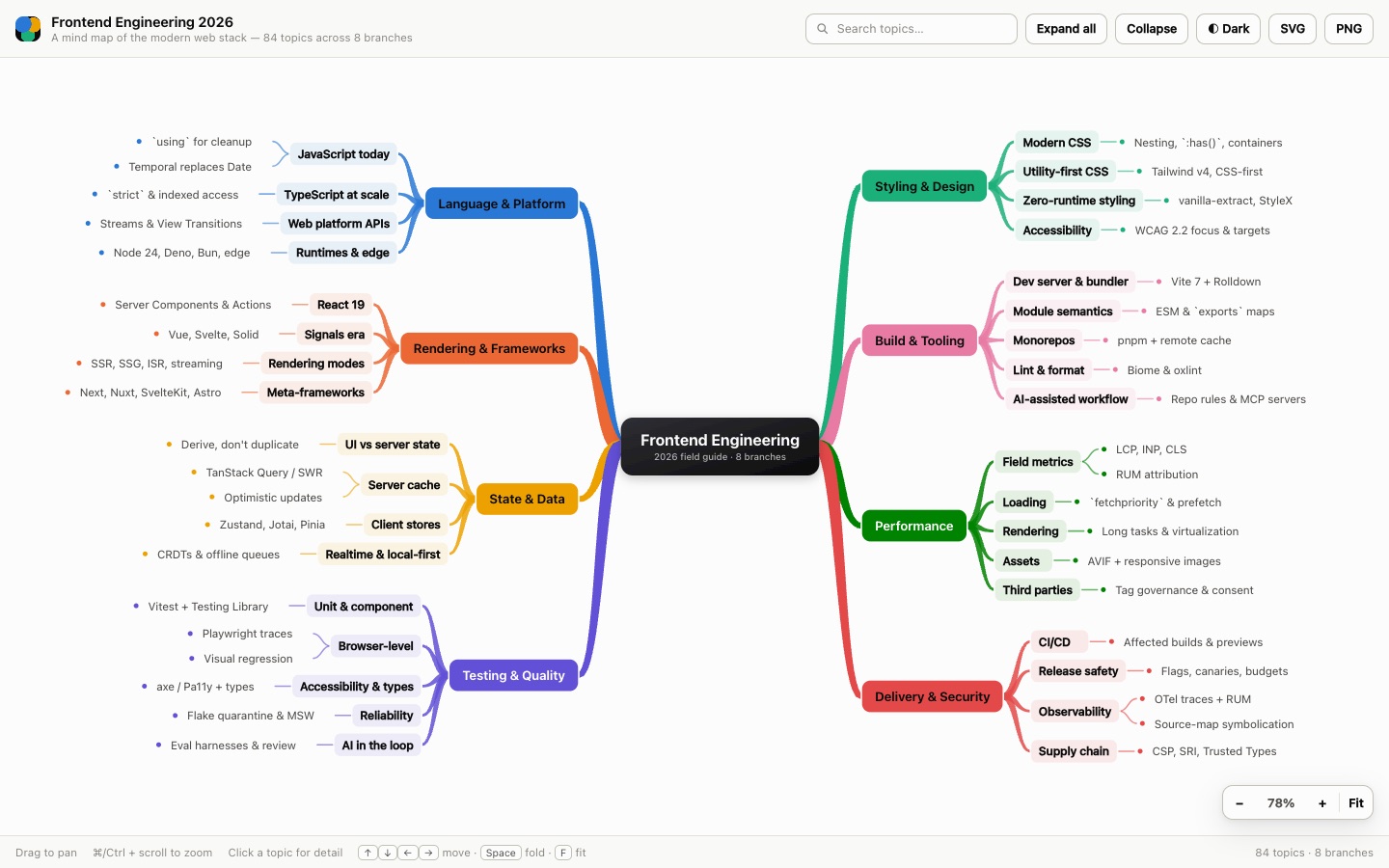
You are a coding expert. Please use your professional knowledge to generate accurate and professional responses. Make sure that the code you generate is executable for demonstration purposes. Output a mind map similar to XMind, as visual representations are easier for humans to understand.
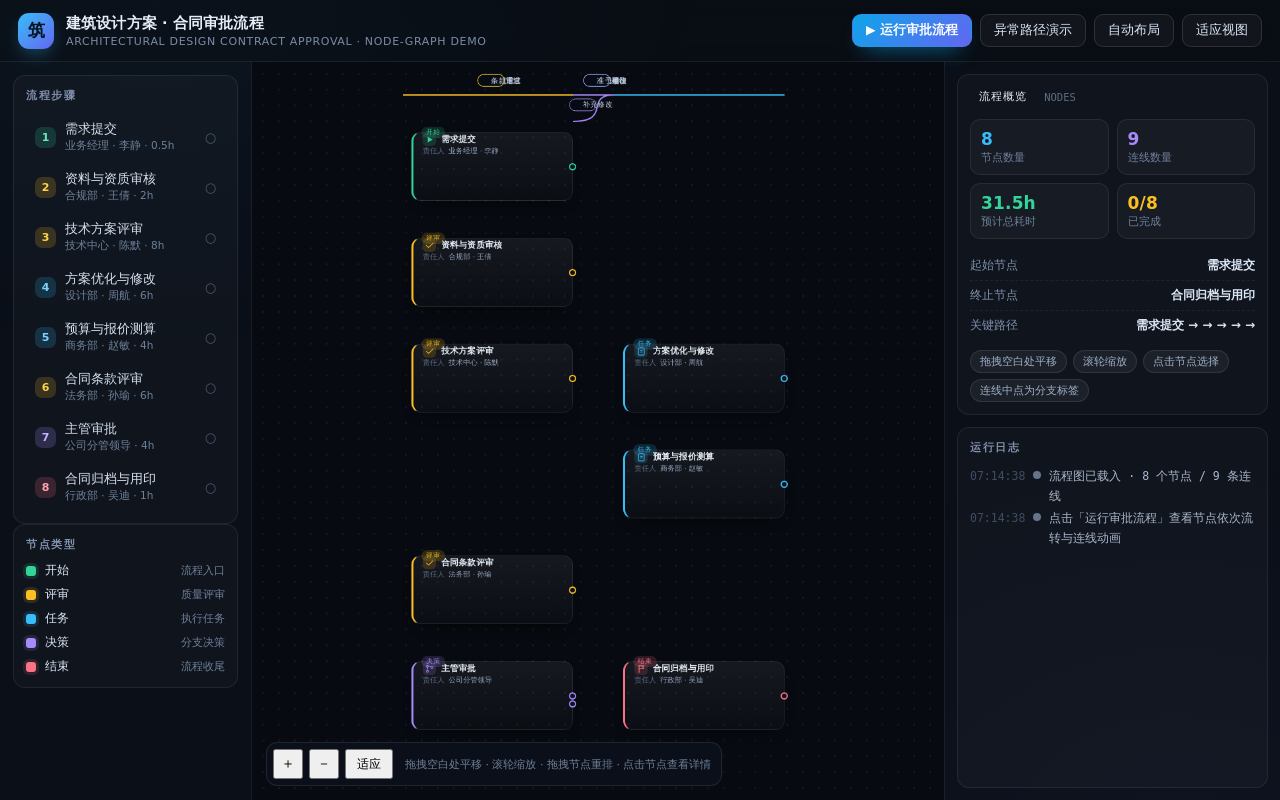
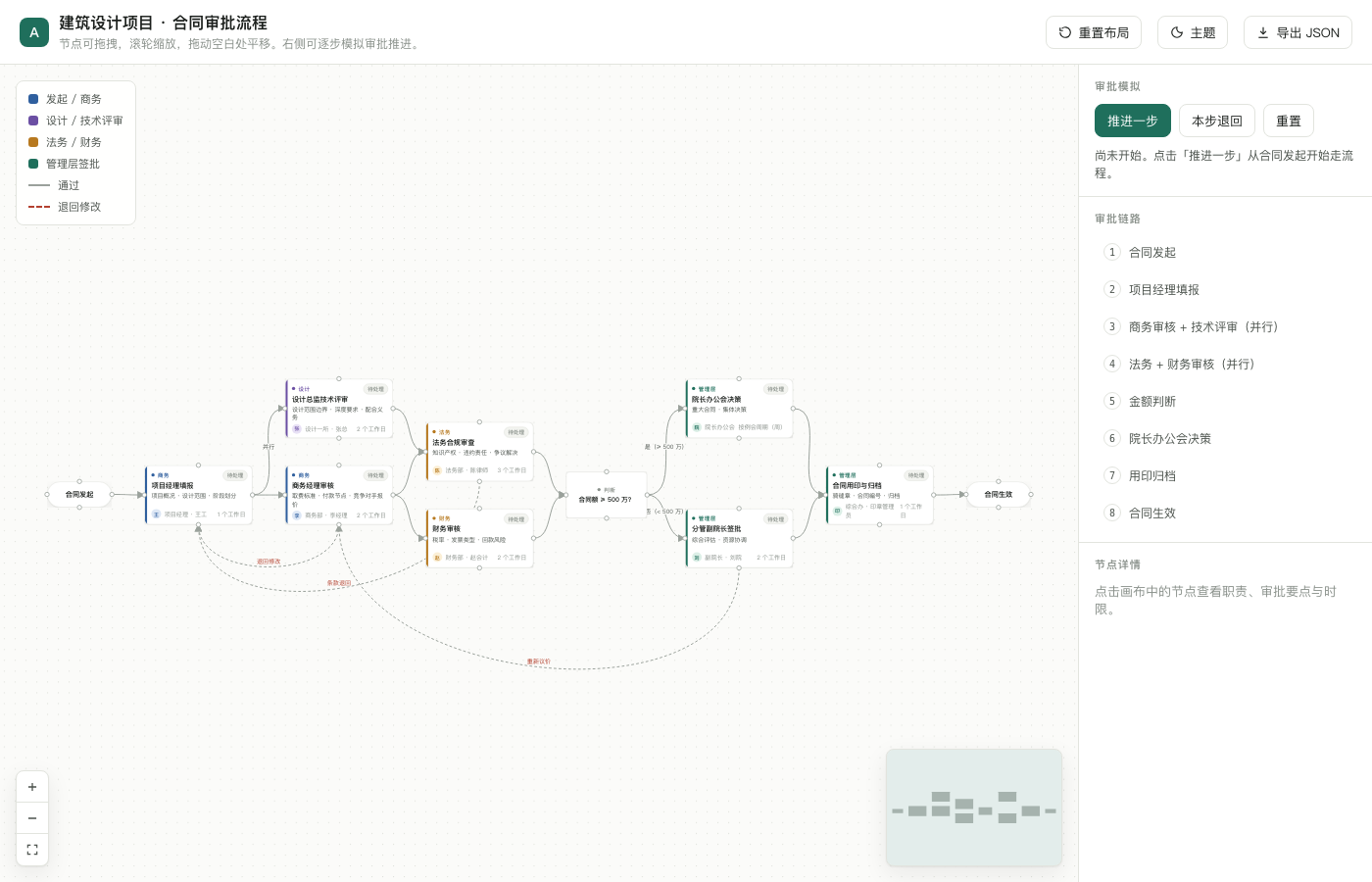
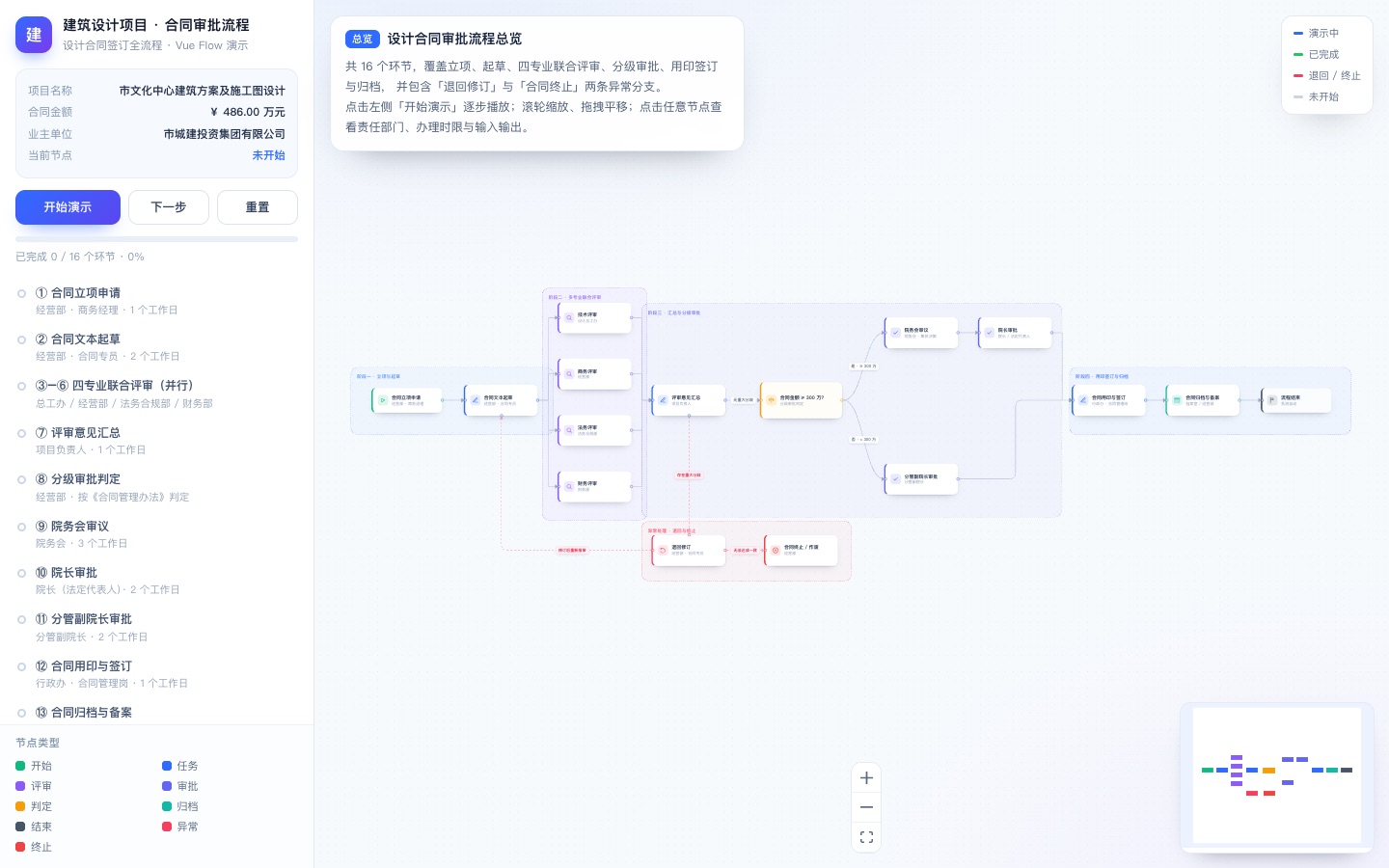
You are a coding expert. Please use your professional knowledge to generate accurate and professional responses. Be sure that any code you provide is executable. Create a demonstration diagram of a contract approval process for an architectural design project based on vue-flow.
 Igloo Inc
 dontboardme.com
 Lusion v3
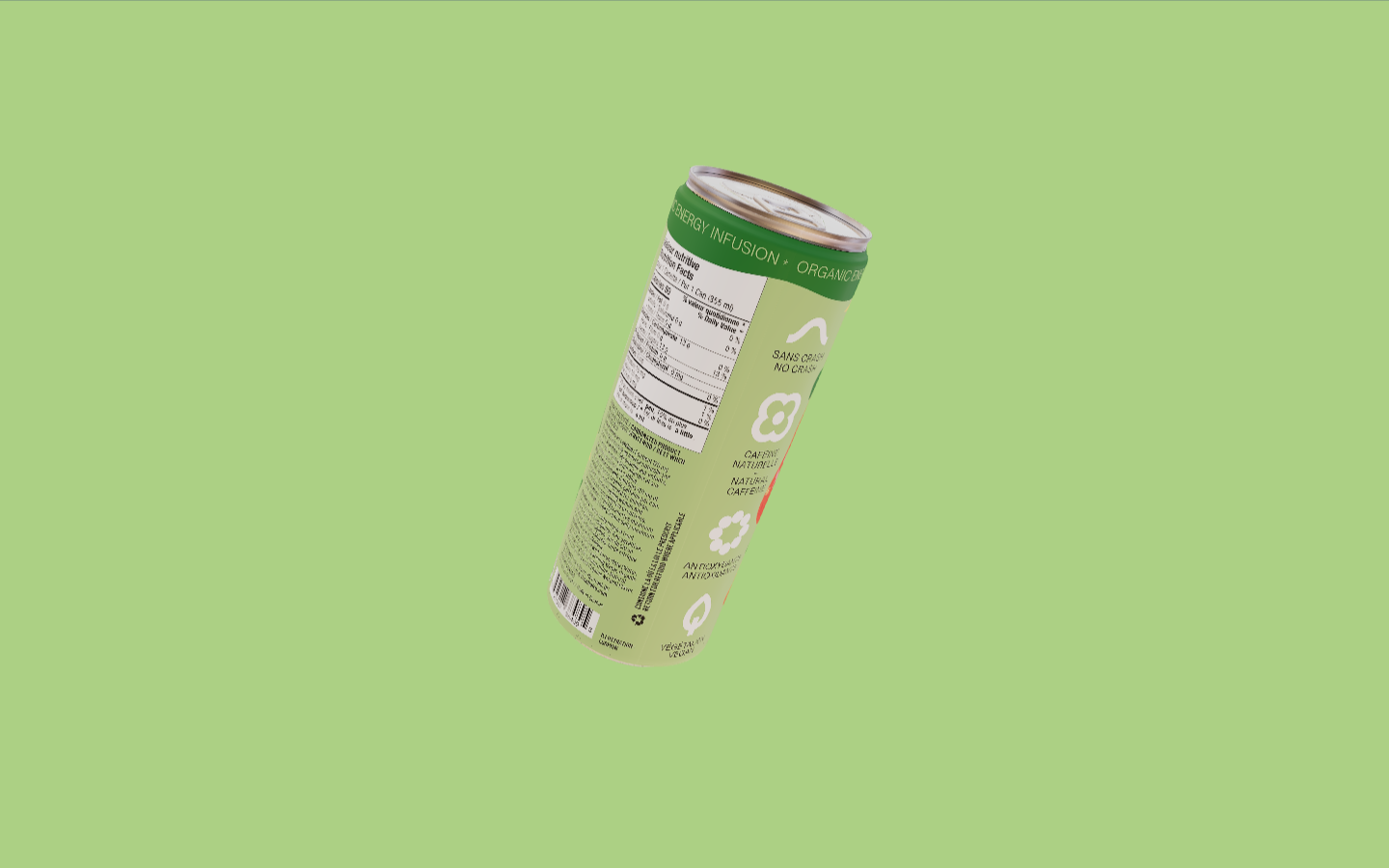 manayerbamate.com
 Lando Norris 官网
 dream-with-ai.com
 caffe.design Quizzone
 shader.se
 oryzo.ai